Introduction
In an increasingly globalized world, the exploration of authentic home-cooked cuisines, or “cucine casalinghe,” offers a delightful gateway into the heart of diverse cultures. Food is more than just sustenance; it is a narrative that tells the story of tradition, family, and identity. This article embarks on a flavorful journey to discover the rich tapestry of authentic home-cooked dishes from around the globe, delving into the ingredients, techniques, and cultural significance that make each cuisine unique.
The Essence of Cucine Casalinghe
Cucine casalinghe, or home-cooked cuisines, represent the soul of culinary traditions passed down through generations. These dishes are often prepared with love and a deep sense of heritage, using recipes that have been meticulously preserved over time. Unlike restaurant fare, which may be adapted to suit a wide audience, home-cooked meals remain fiercely authentic, reflecting the true essence of a culture’s palate.
Ingredients: The Building Blocks of Authenticity
The foundation of any authentic cuisine lies in its ingredients. Local produce, herbs, spices, and meats shape the identity of a dish. For instance, Italian home cooking relies heavily on fresh tomatoes, basil, and olive oil, while Indian households celebrate the robust flavors of cumin, coriander, and turmeric. Understanding the significance of these ingredients provides insight into the regional landscapes and climates that influence each culinary tradition.
Cooking Techniques: Preserving Tradition
Each cuisine boasts its unique cooking techniques that have been honed over centuries. These methods not only define the texture and flavor of the dish but also speak volumes about the cultural heritage they represent. From the slow simmering of French stews to the rapid stir-frying of Chinese vegetables, these techniques are the guardians of tradition, ensuring that each meal is an authentic representation of its origin.
A Global Culinary Expedition
Embarking on a journey to explore authentic home-cooked cuisines is akin to traveling through time and space, as each dish offers a glimpse into the history and lifestyle of its people. Below, we delve into several iconic cucine casalinghe from around the world, each with its unique story to tell.
Italy: La Cucina Della Nonna
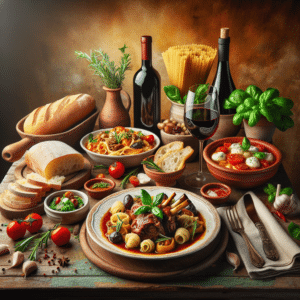
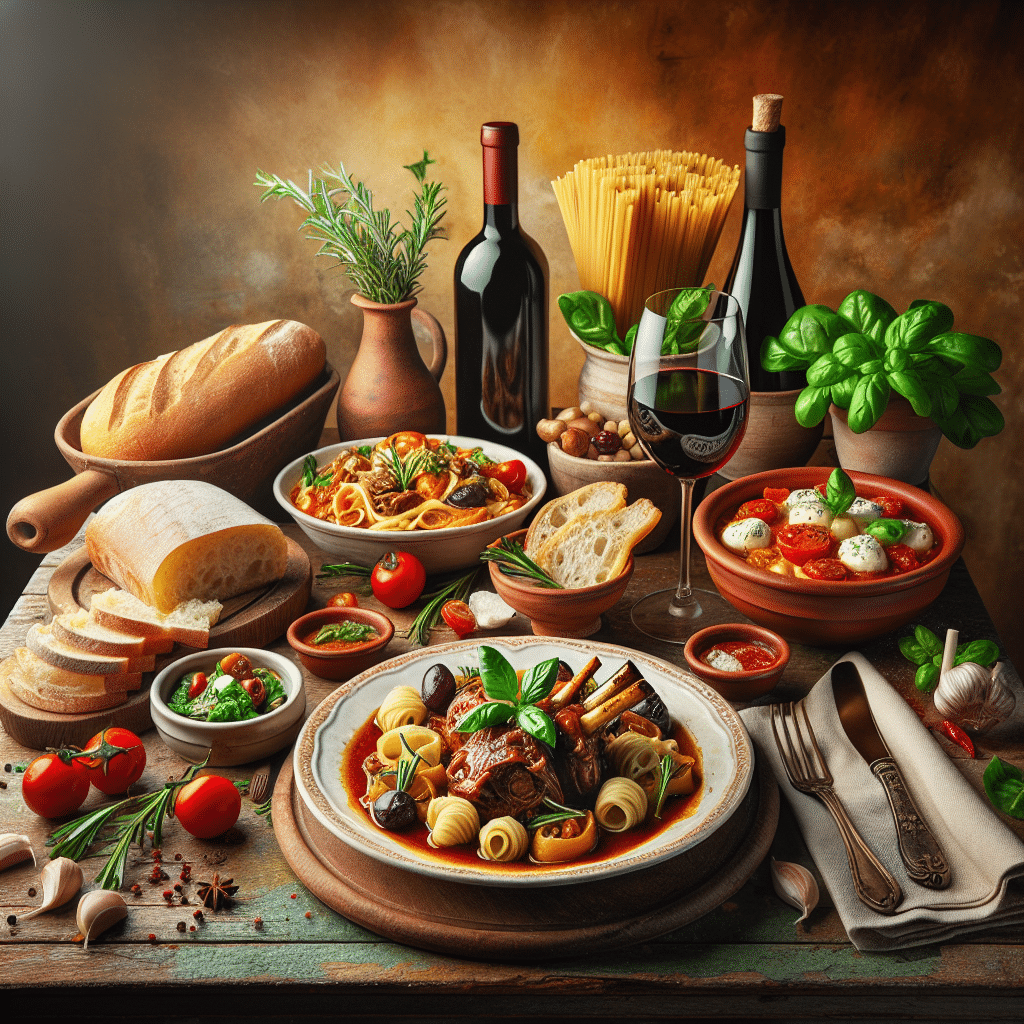
In Italy, la cucina della nonna, or “grandmother’s kitchen,” is synonymous with warmth, comfort, and nostalgia. Italian home cooking is characterized by its simplicity and reliance on high-quality ingredients. Dishes such as lasagna, risotto, and osso buco are prepared with a deep respect for tradition, often following recipes that have been passed down through the family.
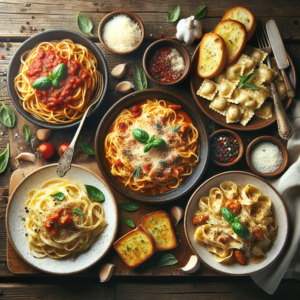
One cannot discuss Italian home cooking without mentioning pasta. Handmade pasta, rolled and shaped by skilled hands, is the backbone of many Italian meals. Whether it is the delicate strands of tagliatelle or the hearty layers of lasagna, pasta is a testament to the craftsmanship and dedication of Italian home cooks.
India: The Spice Symphony
Indian home cooking is a vibrant symphony of spices, colors, and aromas. Each region in India boasts its distinct culinary identity, yet all share a common love for spices. From the fiery curries of the south to the rich gravies of the north, Indian cuisine is a celebration of flavor and complexity.
Indian households take pride in their spice blends, known as masalas. These aromatic mixtures are a closely guarded secret, with each family boasting its unique recipe. The art of balancing spices is a skill passed down through generations, ensuring that each dish is a harmonious blend of flavors.
Japan: Artistry in Simplicity
Japanese home cooking, or washoku, is a study in simplicity and elegance. The philosophy of washoku is rooted in seasonal ingredients, balance, and presentation. Dishes such as miso soup, tempura, and sukiyaki showcase the delicate flavors and artistry that define Japanese cuisine.
Rice, the staple of Japanese meals, is prepared with meticulous care. The process of washing, soaking, and steaming rice is a ritual in itself, reflecting the Japanese dedication to precision and attention to detail. Japanese home cooks strive to create meals that are not only delicious but also visually appealing, embodying the concept of “gohan,” or a balanced meal.
Mexico: A Fiesta of Flavors
Mexican home cooking is a vibrant tapestry of flavors, textures, and colors. Rooted in indigenous traditions, Mexican cuisine celebrates the bounty of the land with dishes that are both hearty and flavorful. From the rich moles of Oaxaca to the zesty salsas of Yucatán, Mexican home cooking is a fiesta for the senses.
Corn, beans, and chilies are the holy trinity of Mexican cuisine, forming the basis of many traditional dishes. Tortillas, tamales, and enchiladas are crafted with care, often involving labor-intensive processes that highlight the dedication of Mexican home cooks to their craft.
Morocco: A Dance of Aromas
Moroccan home cooking is a sensory journey through the fragrant spices and bold flavors of North Africa. Tagines, couscous, and pastilla are staples of Moroccan households, each dish infused with the aromatic spices that define Moroccan cuisine.
Spices such as cinnamon, cumin, and saffron are used generously, creating a tapestry of flavors that dance on the palate. The communal nature of Moroccan meals is reflected in the tradition of sharing dishes, fostering a sense of togetherness and hospitality.
The Cultural Significance of Home-Cooked Meals
Beyond their culinary allure, home-cooked meals hold deep cultural significance. They symbolize family bonds, social gatherings, and the passing down of traditions. In many cultures, the kitchen is the heart of the home, where stories are shared, and memories are made.
Family and Tradition
Home-cooked meals are a testament to the enduring bonds of family and tradition. Recipes are often passed down through generations, serving as a link between the past and the present. The act of cooking together strengthens familial ties, fostering a sense of belonging and continuity.
Community and Hospitality
In many cultures, sharing a home-cooked meal is an expression of hospitality and community. Inviting guests to partake in a meal prepared with love is a gesture of goodwill and friendship. It is through these communal experiences that cultural understanding and appreciation are fostered.
Conclusion
The journey to discover authentic cucine casalinghe is a celebration of diversity, tradition, and the universal language of food. Each dish tells a story, offering a glimpse into the cultural heritage and identity of its people. As we explore the rich tapestry of home-cooked cuisines from around the world, we gain a deeper appreciation for the flavors, techniques, and traditions that define our global culinary landscape.
In a world that often feels divided, the act of sharing a meal prepared with love and authenticity reminds us of our shared humanity. So, let us embrace the flavors of the world, savoring each bite as a testament to the beauty and richness of our diverse culinary heritage.
#ChatGPT ha collaborato alla creazione di questo articolo.