Introduction
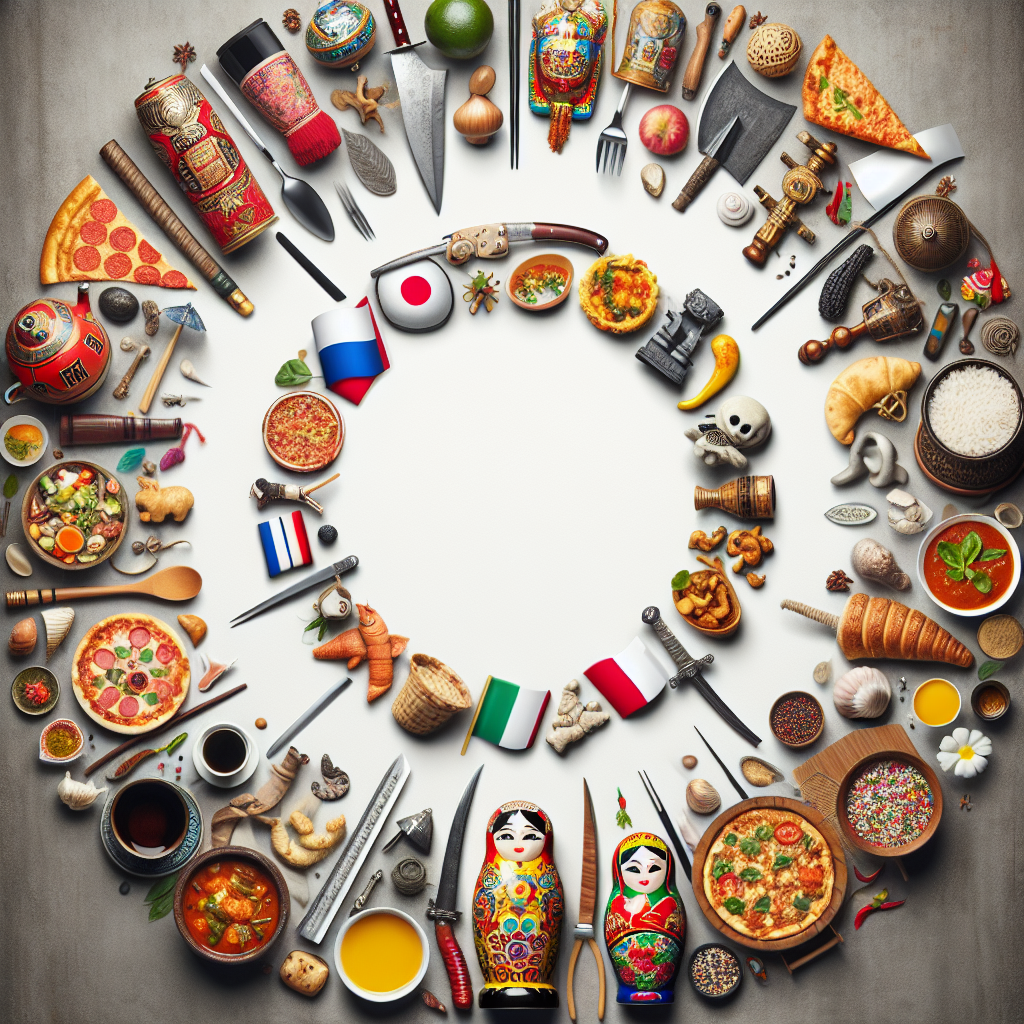
In the contemporary culinary landscape, the fusion of diverse flavors from around the globe has become a powerful trend, reflecting the interconnectedness of our world. The concept of “Global Coalition Ideas: Uniting World Flavors” seeks to explore how the amalgamation of distinct culinary traditions can create a harmonious and innovative culinary experience. This article delves into the historical context, cultural significance, and practical applications of uniting world flavors, offering insights into how this culinary movement is shaping the future of gastronomy.
The Historical Context of Culinary Fusion
The fusion of global flavors is not a novel concept; it has roots that trace back to ancient trade routes and colonial exchanges. The Silk Road, for instance, was instrumental in the exchange of spices, herbs, and culinary techniques between the East and West. Similarly, the Age of Exploration saw the introduction of new ingredients and cooking methods across continents, leading to innovative culinary creations. The blending of flavors was not only a means of sustenance but also a reflection of cultural exchange and adaptation.
Historical instances of culinary fusion include the Creole cuisine of Louisiana, which combines African, French, and Spanish influences, and the Peranakan cuisine of Malaysia and Singapore, which marries Chinese and Malay flavors. These examples underscore the dynamic nature of culinary traditions and how they evolve through cultural interactions.
Cultural Significance of Uniting World Flavors
The unification of world flavors goes beyond mere culinary experimentation; it represents a celebration of diversity and a testament to the richness of human culture. By embracing global flavors, chefs and home cooks alike can pay homage to different culinary heritages while promoting understanding and appreciation for various cultures.
In a world that is increasingly polarized, food serves as a universal language that transcends borders. The act of sharing a meal that incorporates diverse flavors can foster dialogue, build bridges, and create a sense of community. It is a powerful reminder that despite our differences, we are all connected through the simple act of eating.
The Role of Ingredients in Global Fusion
At the heart of uniting world flavors are the ingredients themselves. The globalization of food supply has made it possible for chefs to access a vast array of spices, herbs, and produce from different corners of the globe. This access allows for the creation of dishes that blend flavors in unexpected and delightful ways.
For instance, the use of spices like turmeric from India, lemongrass from Southeast Asia, and saffron from the Middle East can transform a traditional dish into a global masterpiece. The incorporation of ingredients such as quinoa from South America or miso from Japan can add depth and complexity to a dish, resulting in a unique culinary experience.
Techniques and Approaches to Culinary Fusion
The art of uniting world flavors requires not only a keen understanding of ingredients but also innovative techniques and approaches. Chefs often experiment with various cooking methods, such as sous-vide, fermentation, and smoking, to enhance and blend flavors seamlessly.
One popular approach is the deconstruction of traditional dishes, where chefs dissect the components of a classic recipe and reassemble them with elements from other cuisines. This method allows for the creation of dishes that are familiar yet novel, offering diners a new perspective on well-loved flavors.
Practical Applications in Modern Gastronomy
The influence of global flavors is evident in modern gastronomy, with chefs around the world embracing fusion cuisine in their menus. This trend is particularly prominent in cosmopolitan cities, where diverse populations create a demand for innovative and multicultural dining experiences.
Restaurants offering fusion cuisine are becoming increasingly popular, with chefs drawing inspiration from their own cultural backgrounds and the culinary traditions of others. This cross-pollination of ideas results in dishes that are not only delicious but also tell a story of cultural exchange and creativity.
Case Studies: Successful Global Fusion Restaurants
Several restaurants have gained international acclaim for their successful incorporation of global flavors. For example, Nobu, founded by Chef Nobu Matsuhisa, is renowned for its Japanese-Peruvian fusion cuisine. The restaurant’s innovative dishes, such as black cod miso and yellowtail jalapeño, showcase the harmonious blend of flavors from two distinct cultures.
Another notable example is Gaggan in Bangkok, which explores traditional Indian flavors through a modern lens, incorporating elements from global cuisines. Chef Gaggan Anand’s creative approach has earned the restaurant numerous accolades, including a place on the list of Asia’s 50 Best Restaurants.
Challenges and Considerations
While the fusion of global flavors offers exciting possibilities, it also presents certain challenges. Balancing flavors to ensure that no single element overpowers the others requires skill and precision. Chefs must also be mindful of cultural sensitivity, respecting the origins of the ingredients and techniques they use.
Sustainability is another important consideration in the world of culinary fusion. The demand for exotic ingredients can strain local ecosystems and contribute to environmental degradation. Chefs and consumers alike must be conscious of sourcing ingredients responsibly and supporting sustainable practices.
The Future of Global Flavor Fusion
As the world becomes increasingly interconnected, the fusion of global flavors is poised to play a significant role in shaping the future of gastronomy. The rise of food tourism, social media, and international collaborations among chefs will continue to drive the exchange of culinary ideas and inspire new creations.
Additionally, the growing interest in plant-based and alternative proteins presents an opportunity for innovative fusion dishes that cater to diverse dietary preferences. By incorporating global flavors, chefs can create plant-based dishes that are both satisfying and culturally rich.
Conclusion
“Global Coalition Ideas: Uniting World Flavors” is more than just a culinary trend; it is a celebration of the rich tapestry of human culture and an exploration of the endless possibilities that arise from culinary fusion. By embracing diverse flavors, chefs and food enthusiasts can create dishes that not only delight the palate but also foster understanding, appreciation, and unity among cultures. As we move forward, the fusion of global flavors will continue to inspire and transform the culinary world, offering a taste of the future that is both exciting and inclusive.
#ChatGPT ha collaborato alla creazione di questo articolo.