Introduction
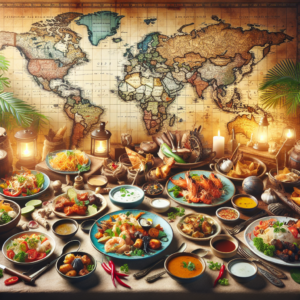
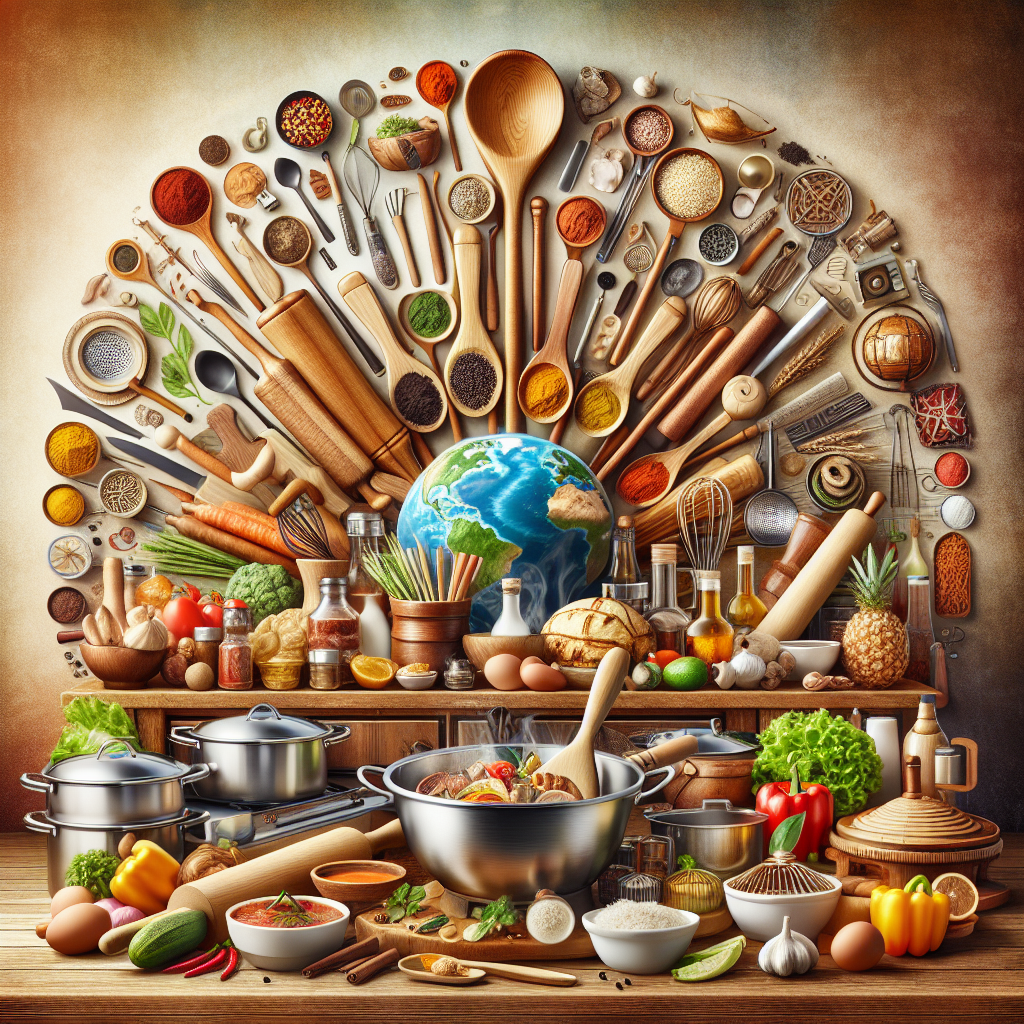
In the culinary world, mastering global cooking techniques is akin to learning the universal language of food. It allows chefs and home cooks alike to transcend cultural boundaries and express creativity through diverse and intricate flavors. This article delves into various global cooking techniques that can elevate your culinary skills to new heights, making you a more versatile and knowledgeable cook.
The Importance of Global Cooking Techniques
Cooking techniques from around the world offer invaluable insights into different cultures and their dietary preferences. By understanding and mastering these techniques, you not only broaden your culinary repertoire but also gain a deeper appreciation for the history and traditions behind each dish. Furthermore, employing these methods in your kitchen can enhance flavors, improve textures, and introduce new, exciting elements to your meals.
Asian Cooking Techniques
Stir-Frying
Originating from China, stir-frying is a high-heat cooking technique that involves quickly frying ingredients in a small amount of oil. This method is ideal for preserving the color, texture, and nutrients of vegetables and proteins. The key to successful stir-frying is to ensure all ingredients are cut uniformly and to maintain a high heat throughout the process.
Steaming
Steaming is a widely used technique in many Asian cuisines, particularly in China and Southeast Asia. It involves cooking food with steam generated from boiling water, which preserves nutrients and enhances natural flavors. Bamboo steamers are often used for dishes like dumplings and fish, imparting a subtle, earthy aroma.
Sushi and Sashimi Preparation
Japanese cuisine is renowned for its precision and attention to detail, especially when it comes to sushi and sashimi. Mastering the art of sushi involves learning how to select the freshest fish, cook and season rice perfectly, and assemble rolls with finesse. Sashimi, on the other hand, requires knife skills to slice fish into delicate, uniform pieces.
European Cooking Techniques
Sous Vide
Originating from France, sous vide is a technique that involves vacuum-sealing food in a bag and cooking it to a precise temperature in a water bath. This method ensures even cooking and allows for precise control over the texture and doneness of proteins like steak, chicken, and fish.
Braising
Braising is a classic European technique that involves searing meat at a high temperature and then simmering it slowly in a liquid. This method is perfect for tougher cuts of meat, as the slow cooking process breaks down fibers, resulting in tender, flavorful dishes like coq au vin and osso buco.
Pasta Making
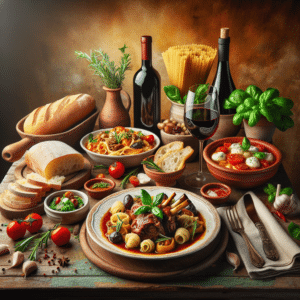
Italian pasta making is an art form in itself, requiring skill and patience. From mixing and kneading the dough to rolling and shaping it into various forms, mastering pasta making can significantly enhance your culinary repertoire. Fresh pasta offers a delicate texture and superior flavor compared to its dried counterpart.
Middle Eastern Cooking Techniques
Grilling and Roasting
Grilling and roasting are central techniques in Middle Eastern cuisine, used to prepare dishes like kebabs and shawarma. These methods enhance the smoky flavors of meats and vegetables, often accompanied by aromatic spices and marinades, creating a rich tapestry of tastes.
Baking with Flatbreads
Baking flatbreads such as pita and lavash is a staple in Middle Eastern cooking. These breads are often cooked in special ovens or on hot stones, resulting in a soft, pillowy texture perfect for dipping or wrapping around grilled meats and vegetables.
Latin American Cooking Techniques
Ceviche Preparation
Ceviche is a popular dish in Latin American cuisine, particularly in Peru. It involves marinating raw fish in citrus juices, which “cooks” the fish and infuses it with bright, tangy flavors. Mastering ceviche requires knowledge of fish selection and marinating times to achieve the perfect balance of acidity and texture.
Barbecuing
Barbecuing in Latin America, especially in countries like Argentina and Brazil, is not just a cooking technique; it’s a cultural event. Open-flame grilling imparts unique smoky flavors to meats, with specific cuts and marinades varying by region. Understanding the nuances of Latin American barbecue can transform your approach to grilling.
Conclusion
Mastering global cooking techniques is an enriching journey that enhances your culinary skills and broadens your palate. By exploring diverse cooking methods from around the world, you gain a deeper understanding of different cultures and their cuisines. Whether you’re a professional chef or a home cook, incorporating these techniques into your repertoire will undoubtedly elevate your culinary creations and allow you to create dishes that are both authentic and innovative.
Embrace the world of flavors and techniques, and let your kitchen be a canvas for global culinary expression. As you continue to learn and practice, you’ll discover that these techniques not only transform ingredients but also bring people together, creating memorable dining experiences that celebrate the art of cooking.
#ChatGPT ha collaborato alla creazione di questo articolo.