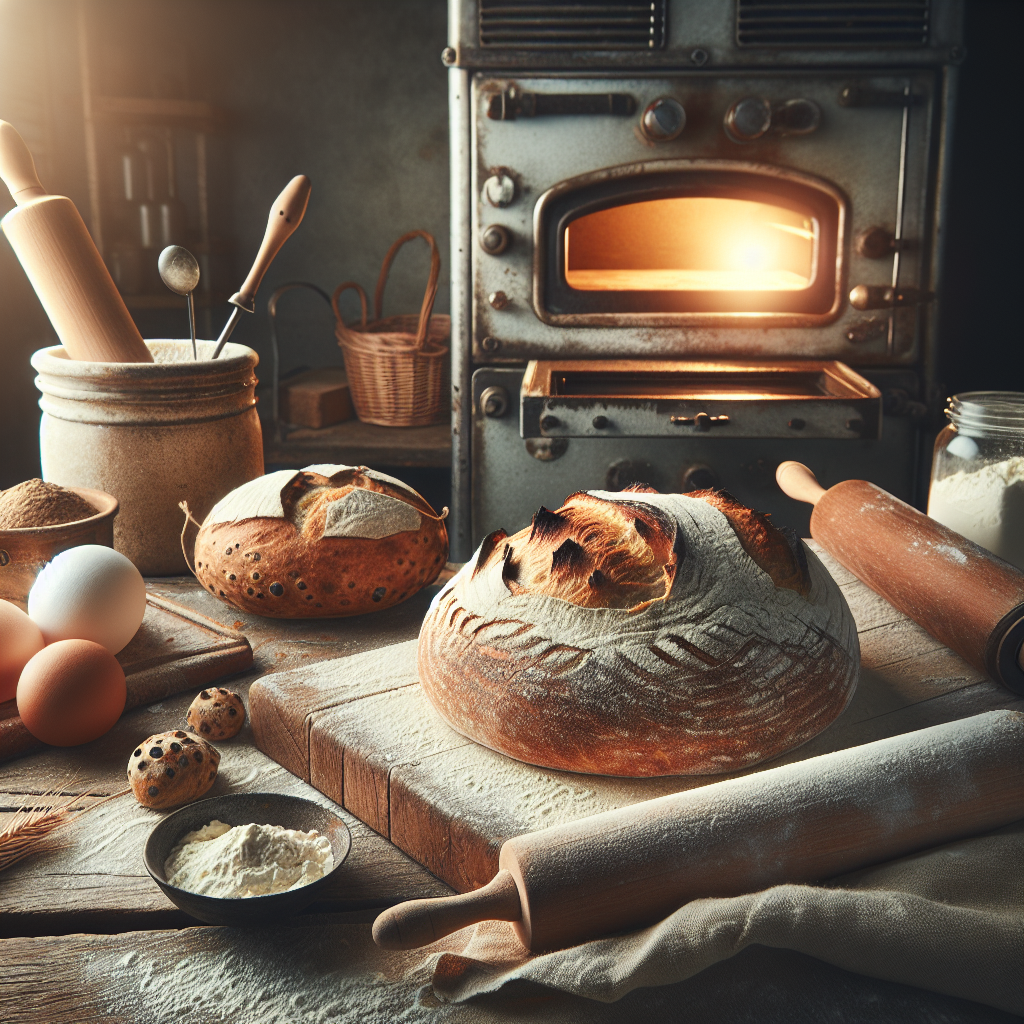
Introduction: The Joy of Homemade Bread
There’s something undeniably magical about the aroma of freshly baked bread wafting through your home. The allure of homemade bread lies not only in its comforting scent but also in the satisfying crunch of its crust and the soft, airy texture of its crumb. For many, the thought of baking bread at home can seem daunting, but with the right recipe and a touch of patience, anyone can master the art of bread-making. In this article, we will guide you through a simple yet delicious recipe for Pane Facile—an easy bread that promises to delight your taste buds and impress your friends and family.
Why Choose Homemade Bread?
Homemade bread offers several advantages over store-bought varieties. First and foremost, it allows you to control the ingredients, ensuring that your bread is free from preservatives and artificial additives. Additionally, the process of making bread can be a therapeutic and rewarding experience. Kneading the dough by hand and watching it transform into a golden loaf is a gratifying journey that connects you to a time-honored culinary tradition. Lastly, the taste of homemade bread is unparalleled, with its fresh, wholesome flavors and textures that far surpass those of mass-produced loaves.
Gathering Your Ingredients
Before embarking on your bread-baking adventure, it’s essential to gather all the necessary ingredients. For this Pane Facile recipe, you’ll need the following:
- 500 grams of all-purpose flour
- 10 grams of salt
- 7 grams of instant yeast
- 350 milliliters of lukewarm water
- Optional: 1 tablespoon of olive oil for added flavor and a softer crust
These ingredients are not only simple but also likely to be found in your pantry, making this recipe accessible for any aspiring home baker.
Step-by-Step Instructions
Mixing the Dough
The first step in making Pane Facile is to mix the dough. In a large mixing bowl, combine the flour and salt. In a separate container, dissolve the yeast in the lukewarm water, ensuring that the water is not too hot, as this can kill the yeast. Once dissolved, pour the yeast mixture into the flour and salt mixture. If you’re using olive oil, add it at this stage.
Using a wooden spoon or your hands, mix the ingredients until they come together to form a rough dough. The dough should be slightly sticky but manageable. If it feels too dry, add a little more water, a tablespoon at a time. Conversely, if it’s too wet, sprinkle in a bit more flour.
Kneading the Dough
Kneading is a crucial step in bread-making as it develops the gluten, giving the bread its structure and texture. Turn the dough out onto a lightly floured surface and begin to knead it by folding it over itself and pushing it away with the heel of your hand. Rotate the dough and repeat the process. Continue kneading for about 10 minutes until the dough is smooth and elastic.
First Rise
After kneading, place the dough back into the mixing bowl and cover it with a damp kitchen towel or plastic wrap. Allow the dough to rise in a warm, draft-free area for about 1 to 1.5 hours, or until it has doubled in size. This is known as the first rise or fermentation, during which the yeast ferments the sugars in the flour, producing carbon dioxide that causes the dough to expand.
Shaping the Dough
Once the dough has doubled in size, gently punch it down to release the excess gas. Turn it out onto a lightly floured surface and shape it into a loaf. You can choose to make a round loaf or a traditional oblong shape, depending on your preference. To shape, flatten the dough into a rectangle, fold the sides in, and roll it up tightly from one end to the other. Pinch the seams to seal and place the shaped dough onto a parchment-lined baking tray.
Second Rise
Cover the shaped dough with a kitchen towel and let it rise again for about 30 to 45 minutes, or until it has puffed up slightly. This second rise, also known as proofing, allows the dough to relax and ensures a light and airy crumb.
Baking the Bread
Preheat your oven to 220°C (428°F) about 20 minutes before the end of the second rise. If you desire a crusty exterior, place a shallow pan of water on the bottom rack of the oven to create steam. This step is optional but recommended for a rustic loaf.
Once the oven is ready, make a few shallow slashes on the surface of the dough with a sharp knife. This will allow steam to escape and help the bread expand during baking. Place the bread in the oven and bake for 25 to 30 minutes, or until it is golden brown and sounds hollow when tapped on the bottom.
Cooling and Enjoying Your Bread
Once baked, remove the bread from the oven and let it cool on a wire rack. Allowing the bread to cool completely before slicing is essential as it helps to set the crumb structure. As tempting as it may be to cut into the warm loaf immediately, patience will reward you with perfectly textured slices.
Enjoy your homemade Pane Facile with a variety of accompaniments. Spread it with butter, dip it in olive oil, or use it as a base for sandwiches. This versatile bread pairs beautifully with soups, stews, and salads, making it a staple in any kitchen.
Tips for Perfect Bread Every Time
To ensure success in your bread-making endeavors, consider these helpful tips:
- Accurate Measurements: Weigh your ingredients using a kitchen scale for precise and consistent results.
- Water Temperature: Ensure that the water used to activate the yeast is lukewarm, as hot water can kill the yeast, while cold water will slow down fermentation.
- Kneading Technique: Proper kneading develops gluten, providing structure to the bread. Resist the urge to add too much flour while kneading, as this can result in a dense loaf.
- Patience: Allow the dough ample time to rise. Fermentation is a crucial process that contributes to flavor and texture.
Conclusion: The Art of Bread-Making
Baking your own bread is a fulfilling and rewarding experience that not only results in delicious homemade loaves but also connects you to a rich culinary tradition. With this simple Pane Facile recipe, you can easily master the art of bread-making and enjoy the fruits of your labor in the form of warm, aromatic, and delicious bread. Whether you’re a seasoned baker or a novice in the kitchen, this recipe serves as a perfect starting point for your bread-making journey. So gather your ingredients, roll up your sleeves, and let the magic of homemade bread fill your home with warmth and flavor.
#ChatGPT ha collaborato alla creazione di questo articolo.