In today’s fast-paced world, one-pot meals have become a lifesaver for many home cooks. Not only do they simplify the cooking process, but they also make cleanup a breeze. Whether you’re a busy professional, a parent with a packed schedule, or simply someone who loves the idea of minimizing kitchen chaos, one-pot meals offer a convenient and delicious solution. This guide will take you through everything you need to know about crafting delectable one-pot meals that are sure to impress. From understanding the basics to exploring a variety of recipes, you’ll be well-equipped to embrace the world of one-pot cooking.
The Basics of One-Pot Meals
At its core, a one-pot meal is any dish that can be prepared in a single cooking vessel. This could be a pot, a pan, a Dutch oven, or even a slow cooker. The idea is to combine ingredients in a way that they cook together, creating layers of flavor with minimal effort. The beauty of one-pot meals lies in their versatility; they can range from hearty stews and comforting casseroles to light and flavorful stir-fries.
Key Benefits
- Simplicity: Fewer dishes mean less time spent on cleanup.
- Flavor Enhancement: Cooking ingredients together allows flavors to meld and intensify.
- Time Efficiency: Perfect for those who want a satisfying meal without spending hours in the kitchen.
- Versatility: Adaptable to various dietary preferences and ingredient availability.
Essential Tools for One-Pot Cooking
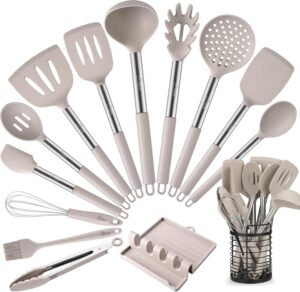
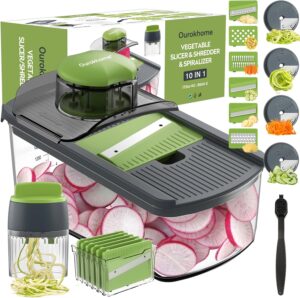
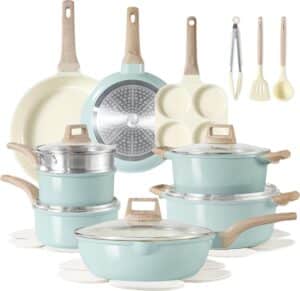
While you don’t need a kitchen full of gadgets to create one-pot wonders, having the right tools can make the process smoother and more enjoyable.
Must-Have Equipment
- Large Pot or Dutch Oven: Ideal for soups, stews, and braises.
- Skillet or Frying Pan: Perfect for stir-fries and pasta dishes.
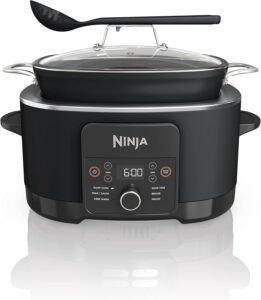
- Slow Cooker: Great for hands-off cooking of roasts and chili.
- Pressure Cooker: Speeds up cooking time for beans, grains, and tougher cuts of meat.
Ingredients: Building Blocks of Flavor
Crafting a delicious one-pot meal starts with selecting the right ingredients. Here are some categories to consider:
Proteins
Proteins are often the centerpiece of a one-pot meal. Options include chicken, beef, pork, tofu, tempeh, and legumes like chickpeas or lentils. Choose based on your dietary preferences and the flavor profile you wish to achieve.
Vegetables
Vegetables add color, texture, and nutrients. Common choices include onions, bell peppers, carrots, spinach, and tomatoes. Root vegetables like potatoes and sweet potatoes also work well in heartier dishes.
Grains and Starches
Grains and starches provide substance and can help absorb flavors. Options include rice, quinoa, pasta, and noodles. When cooking grains, ensure you have the right amount of liquid to cook them thoroughly.
Herbs and Spices
Herbs and spices are essential for flavor. Staples include garlic, ginger, thyme, rosemary, cumin, and paprika. Experiment with different combinations to create unique taste profiles.
Popular One-Pot Meal Recipes
Now that we’ve covered the basics, let’s dive into some popular recipes that showcase the versatility of one-pot cooking.
One-Pot Chicken and Rice
This classic dish is a favorite for its simplicity and comforting flavors. Sauté onions, garlic, and bell peppers in a large pot. Add chicken pieces and brown them. Stir in rice, chicken broth, and your choice of spices. Cover and let simmer until the chicken is cooked through and the rice is tender.
Vegetarian Chili
A hearty and satisfying meal, vegetarian chili is perfect for chilly evenings. In a Dutch oven, sauté onions, garlic, and jalapeños. Add canned tomatoes, kidney beans, black beans, corn, and chili powder. Let simmer, allowing the flavors to meld. Serve with a dollop of sour cream and a sprinkle of cheese.
Beef Stroganoff
This creamy and savory dish is a crowd-pleaser. Brown beef strips in a skillet, then remove and set aside. Sauté onions and mushrooms in the same skillet. Return the beef to the skillet, add beef broth, and let simmer. Stir in sour cream and serve over egg noodles.
Tips for Successful One-Pot Meals
Creating the perfect one-pot meal requires a bit of technique and know-how. Here are some tips to ensure success:
Layering Flavors
Start by building a flavor base with aromatics like onions, garlic, and spices. This creates a foundation that enhances the entire dish.
Balancing Liquid
Ensure there is enough liquid to cook grains and proteins without making the dish too soupy. Adjust as needed during cooking.
Cooking Times
Be mindful of ingredient cooking times. Add quicker-cooking items later in the process to prevent them from becoming mushy.
Seasoning
Taste and adjust seasoning throughout the cooking process. Flavors can mellow as they cook, so don’t be afraid to add more spices or herbs as needed.
Creative Variations
One-pot meals offer endless possibilities for creativity. Here are some ideas to inspire your next culinary adventure:
Global Flavors
Incorporate ingredients and spices from different cuisines. Try a Moroccan-inspired tagine with lamb, dried apricots, and cinnamon, or a Thai green curry with coconut milk and lime leaves.
Seasonal Ingredients
Take advantage of seasonal produce. In the fall, incorporate butternut squash and sage, while summer dishes can feature zucchini and basil.
Dietary Adaptations
Modify recipes to suit dietary preferences. Substitute quinoa for rice in a gluten-free dish, or use chickpeas instead of chicken for a vegan option.
Conclusion
One-pot meals are a testament to the idea that delicious, wholesome food doesn’t have to be complicated. With a bit of creativity and the right ingredients, you can craft meals that are not only satisfying but also a joy to prepare. Whether you’re a seasoned cook or just starting your culinary journey, this ultimate guide to one-pot meals provides the foundation you need to embrace this efficient and flavorful cooking style. So grab your favorite pot, gather your ingredients, and start creating delicious masterpieces in your kitchen today!