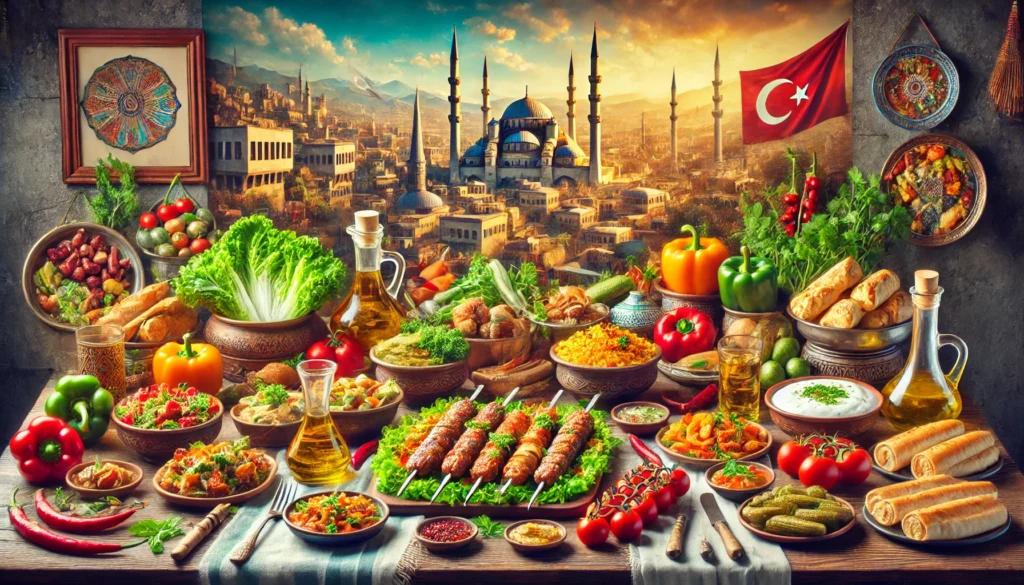
Discover Authentic Turkish Recipes: A Flavorful Journey
Turkish cuisine is a vibrant tapestry woven from centuries of cultural influences, geographic diversity, and a rich culinary heritage. From the bustling streets of Istanbul to the serene Anatolian countryside, Turkish food offers a tantalizing array of flavors that reflect the nation’s storied past. This article embarks on a flavorful journey through authentic Turkish recipes, exploring the unique ingredients, cooking techniques, and cultural significance that make this cuisine so beloved worldwide.
The Foundations of Turkish Cuisine
The essence of Turkish cuisine lies in its emphasis on fresh, seasonal ingredients and simple yet effective cooking methods. The country’s diverse climate and geography provide a wide array of produce, from the olive groves of the Aegean to the fertile plains of Anatolia. Turkish dishes often feature vegetables, legumes, grains, and meats, enhanced by a variety of aromatic herbs and spices. Key ingredients include olive oil, yogurt, sumac, pomegranate molasses, and the ubiquitous spice blend known as baharat.
The Role of Meze
Meze, the Turkish version of appetizers or small plates, plays a central role in Turkish dining. These dishes are designed to be shared, encouraging conviviality and conversation. Meze can range from simple olives and cheeses to more complex creations like ezme (a spicy tomato and walnut dip) or dolma (stuffed grape leaves). Enjoyed with a glass of rakı, the anise-flavored national drink, meze sets the stage for a delightful culinary adventure.
Signature Turkish Recipes
Kebabs: Beyond the Skewer
Kebabs are perhaps the most internationally recognized Turkish dishes, but their diversity in Turkey is astounding. From the savory Adana kebab, made with minced lamb and spices, to the yogurt-laden İskender kebab, each region offers its own unique take on this classic dish. The secret to a perfect kebab lies in the marinade and the method of cooking, often using open flames or hot coals to impart a smoky flavor.
Pide: The Turkish Pizza
Pide is a boat-shaped flatbread that resembles pizza but with its own distinct Turkish twist. It is traditionally topped with ingredients like minced meat, sucuk (a spicy Turkish sausage), cheese, and vegetables. Baked in a wood-fired oven, pide boasts a crispy crust and a soft, chewy interior. The Anatolian city of Konya is particularly famous for its etli ekmek, a long, thin version of pide topped with minced meat and spices.
Manti: Tiny Dumplings with Big Flavor
Manti are small dumplings filled with seasoned meat, most commonly lamb or beef, and served with a generous dollop of garlicky yogurt and a drizzle of melted butter infused with paprika. These delicate parcels are a labor of love, often hand-crafted for special occasions. Originating from the Central Asian Turkic peoples, manti have become a beloved staple in Turkish households.
Baklava: A Sweet Tradition
No exploration of Turkish cuisine would be complete without mentioning baklava. This decadent dessert consists of layers of phyllo pastry filled with chopped nuts, sweetened with syrup or honey. The city of Gaziantep is renowned for its pistachio baklava, which is considered the gold standard in Turkey. The art of making baklava is a meticulous process that requires skill and patience, resulting in a dessert that is both crisp and syrupy.
Regional Variations and Influences
Turkish cuisine is characterized by its regional diversity, with each area boasting its own specialties and flavors. The Aegean region, for instance, is known for its olive oil-based dishes and fresh seafood, while the Black Sea region features corn and anchovies in its culinary repertoire. The southeastern region, influenced by its proximity to the Middle East, is renowned for its spicy kebabs and rich desserts.
The Influence of Ottoman Cuisine
The Ottoman Empire’s vast reach introduced a multitude of culinary influences to Turkish cuisine, from the Balkans to the Middle East and beyond. This period saw the introduction of new ingredients and cooking techniques, leading to the development of elaborate dishes served at the imperial court. Many of these dishes, such as sultans delight (hünkar beğendi), a lamb stew served over creamy eggplant puree, remain popular today.
The Art of Turkish Cooking
Turkish cooking techniques emphasize the use of fresh ingredients and traditional methods. Slow cooking, grilling over open flames, and baking in clay ovens are just a few of the techniques employed to bring out the natural flavors of the ingredients. Turkish chefs also place great importance on presentation, with dishes often garnished with herbs, nuts, or vibrant pomegranate seeds to add a pop of color.
The Importance of Hospitality
In Turkish culture, food is synonymous with hospitality. Whether welcoming guests into their homes or sharing a meal with friends, Turks take great pride in their culinary traditions. Meals are often leisurely affairs, with an emphasis on enjoying the company of others. This spirit of hospitality is embodied in the phrase “Buyurun,” meaning “Please, join us,” a common invitation to share a meal.
Turkish Cuisine in the Modern World
As global interest in Turkish cuisine continues to grow, chefs around the world are embracing its flavors and techniques. Turkish restaurants and street food stalls are popping up in cities from New York to Tokyo, introducing new audiences to the delights of dishes like simit (a sesame-crusted bread) and lahmacun (a thin, crispy flatbread topped with minced meat).
Preserving Tradition
While modern adaptations of Turkish dishes are gaining popularity, there is also a concerted effort to preserve traditional recipes. Culinary festivals and cooking classes in Turkey celebrate the nation’s rich food heritage, ensuring that future generations can continue to experience the authentic flavors of Turkish cuisine.
Conclusion
Embarking on a journey through authentic Turkish recipes is a sensory adventure that offers a taste of the country’s diverse regions and rich history. From the sizzling kebabs of the southeast to the sweet indulgence of baklava, each dish tells a story of tradition, community, and a deep appreciation for the art of cooking. Whether you’re a seasoned traveler or a curious foodie, exploring Turkish cuisine is an invitation to savor the flavors of a truly remarkable culture.