Introduction
The irresistible allure of Italian cuisine has long captured the hearts and palates of food lovers worldwide. Among its many culinary wonders, the art of panetteria, or Italian bread and pastry making, stands out as a symbol of tradition, authenticity, and indulgence. While the word “panetteria” might bring to mind rustic loaves of bread, this tradition also encompasses a range of exquisite desserts that are often overlooked outside Italy. This article delves into the sweet revolution of panetteria-style desserts, offering insights and tips to master these delectable treats in your own kitchen.
The Heritage of Panetteria
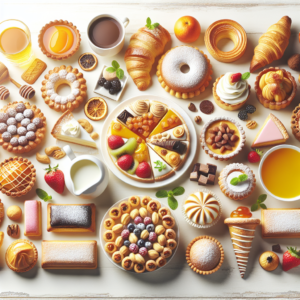
In Italy, panetterias are more than just bakeries; they are community hubs where locals gather for their daily bread and a taste of something sweet. Each region boasts its own unique pastries and desserts, deeply rooted in local culture and history. From the almond-infused delights of Sicily to the buttery pastries of Lombardy, the diversity in flavors and techniques is immense. This variety provides a rich tapestry of flavors waiting to be explored by dessert enthusiasts.
Signature Panetteria-Style Desserts
Cannoli Siciliani
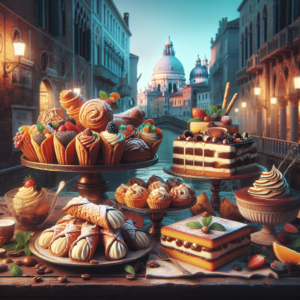
Originating from Sicily, cannoli are perhaps the most famous Italian pastry. These tube-shaped shells are fried to perfection and filled with a creamy mixture of ricotta cheese, sugar, and a hint of vanilla. The key to mastering cannoli lies in achieving the perfect balance between a crunchy shell and a smooth, flavorful filling. Traditional recipes often incorporate candied fruit or chocolate chips, adding a delightful texture contrast.
Tiramisu
Tiramisu, meaning “pick me up” in Italian, is a classic dessert that embodies the essence of panetteria-style treats. Layers of coffee-soaked ladyfingers are interspersed with a rich mascarpone cheese mixture, dusted with cocoa powder for a bitter-sweet finish. Mastering tiramisu requires attention to detail, from the quality of the coffee to the consistency of the mascarpone cream. Laying out the dessert in a lightly chilled dish can help in setting the layers perfectly.
Panettone
Panettone is a festive bread-like dessert that hails from Milan and is traditionally enjoyed during the Christmas season. This tall, dome-shaped sweet bread is studded with raisins and candied citrus, offering a delightful combination of flavors. The secret to a great panettone lies in the long fermentation process, which gives it a distinct, airy texture. Baking panettone requires patience and precision, as it involves a multi-stage proofing process.
Panna Cotta
Simple yet elegant, panna cotta is a creamy dessert made with sweetened cream thickened with gelatin, often flavored with vanilla. Its silky texture is a testament to the art of balance in dessert-making. Serving panna cotta with a berry coulis or a caramel sauce can elevate its flavor profile, providing a tangy or sweet contrast to the creaminess.
Techniques for Mastering Panetteria-Style Desserts
Understanding Ingredients
The foundation of any great dessert begins with the ingredients. Italian desserts, particularly those from panetterias, rely heavily on fresh, high-quality components. For instance, using fresh ricotta in cannoli or authentic mascarpone in tiramisu can significantly enhance the final product’s flavor and texture. Familiarize yourself with regional ingredients, such as Sicilian pistachios or Tuscan chestnut flour, to bring authenticity to your creations.
Perfecting the Dough
Many panetteria-style desserts involve some form of dough, whether it be the crisp cannoli shell or the rich panettone. Mastering dough requires practice and patience. Temperature control is crucial—keeping ingredients cold can prevent butter from melting, leading to flakier pastries. Additionally, understanding the gluten development process can help in achieving the desired texture.
The Art of Layering
Layering is a critical technique in many Italian desserts, with tiramisu being a prime example. The key to successful layering is ensuring each component complements the others without overpowering them. When assembling layered desserts, take care to distribute fillings evenly, allowing the flavors to meld together harmoniously. Timing is also essential; allowing layers to set properly can prevent them from collapsing or becoming too soggy.
Experimenting with Flavors
While traditional recipes offer a solid foundation, experimentation can lead to exciting new variations. Consider infusing your desserts with unexpected flavors, such as adding a hint of rose water to panna cotta or incorporating exotic spices into panettone. Embrace seasonal ingredients to add a fresh twist to classic recipes, such as using fresh berries in place of candied fruits.
Presentation and Serving
The visual appeal of a dessert is almost as important as its taste. Italian desserts are often presented with an emphasis on simplicity and elegance. When plating, consider the use of contrasting colors and textures to create a visually stunning dish. Garnishes such as fresh mint leaves, edible flowers, or a dusting of powdered sugar can add the finishing touch to your panetteria-style desserts.
Conclusion
Mastering panetteria-style desserts is a journey into the heart of Italian culinary tradition. By understanding the heritage, perfecting techniques, and embracing creativity, you can bring a taste of Italy into your own kitchen. Whether you’re crafting a classic tiramisu or experimenting with a new panna cotta flavor, the world of panetteria offers endless possibilities for sweet indulgence. Embrace the sweet revolution and transform your dessert repertoire with these timeless Italian treats.
#ChatGPT ha collaborato alla creazione di questo articolo.