Introduction to Spanish Tapas
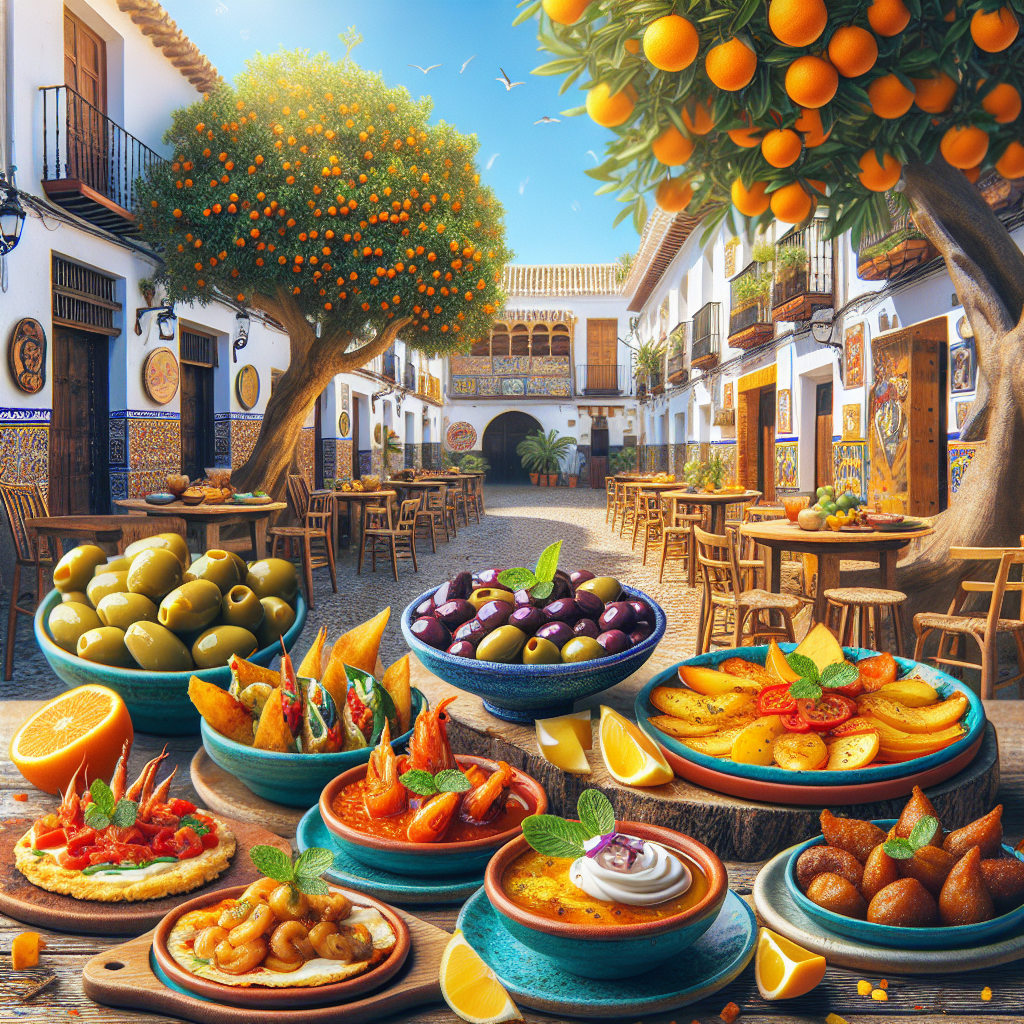
Spanish cuisine is renowned for its vibrant flavors, regional diversity, and rich culinary traditions. Among its most celebrated offerings are tapas, a variety of small dishes that encourage sharing and socializing. In 2023, the world of Spanish tapas continues to evolve, embracing both traditional recipes and innovative interpretations. This article explores the authentic Spanish tapas recipes that capture the essence of this beloved culinary tradition, offering a taste of Spain’s diverse gastronomy.
The Origins of Tapas
The origin of tapas is steeped in Spanish history and folklore. The term “tapas” comes from the Spanish verb “tapar,” meaning “to cover.” According to popular legend, tapas were initially simple slices of bread or meat used to cover glasses of sherry to keep flies out. Over time, these humble covers evolved into a diverse array of dishes, each reflecting the unique flavors and ingredients of Spain’s regions.
Essential Ingredients in Tapas
The foundation of authentic Spanish tapas lies in the quality of its ingredients. Olive oil, garlic, and fresh herbs are staples in many recipes. Other essentials include chorizo, Manchego cheese, olives, and seafood. The use of locally sourced produce and traditional cooking methods ensure that each tapa is a genuine reflection of Spanish culinary heritage.
Classic Tapas Recipes
Patatas Bravas
Patatas Bravas is a classic tapa featuring crispy fried potatoes served with a spicy tomato sauce. This dish is a staple in tapas bars across Spain and is loved for its simplicity and bold flavors. To make authentic Patatas Bravas, begin by cutting potatoes into bite-sized cubes and frying them until golden brown. The accompanying sauce, known as “salsa brava,” combines tomatoes, garlic, and paprika, offering a delightful kick to the crispy potatoes.
Gambas al Ajillo
Gambas al Ajillo, or garlic shrimp, is another quintessential tapa that showcases the simplicity and intensity of Spanish flavors. Fresh shrimp are sautéed in olive oil with abundant garlic and a hint of red chili pepper for heat. The result is a fragrant and succulent dish that exemplifies the marriage of seafood and aromatic spices so prevalent in Spanish cuisine.
Tortilla Española
Tortilla Española, also known as Spanish omelet, is a hearty and versatile dish made with eggs, potatoes, and onions. This staple of Spanish tapas can be enjoyed hot or cold, making it perfect for any occasion. To prepare, thinly slice potatoes and onions, then cook them slowly in olive oil until tender. Once cooled, they’re combined with beaten eggs and cooked until set, creating a deliciously satisfying tapa.
Regional Tapas Specialties
Pa amb Tomàquet (Catalonia)
Originating from Catalonia, Pa amb Tomàquet is a simple yet flavorful tapa that highlights the region’s love for fresh ingredients. This dish consists of rustic bread rubbed with ripe tomatoes, drizzled with olive oil, and sprinkled with salt. It’s a testament to the Catalonian philosophy of letting high-quality ingredients shine on their own.
Pintxos (Basque Country)
In the Basque Country, tapas are known as “Pintxos,” and they are characterized by their creative presentation and bold flavors. Pintxos typically consist of small pieces of bread topped with an array of ingredients, secured with a toothpick. Popular toppings include anchovies, piquillo peppers, and cured meats. The vibrant pintxos culture in cities like San Sebastián is a must-experience for any tapas enthusiast.
Salmorejo (Andalusia)
Hailing from Andalusia, Salmorejo is a chilled tomato soup that offers a refreshing respite from the region’s warm climate. Made with ripe tomatoes, bread, garlic, olive oil, and vinegar, this creamy soup is garnished with hard-boiled eggs and jamón ibérico. Salmorejo is a delightful example of Andalusia’s culinary ingenuity and love for fresh produce.
Modern Twists on Traditional Tapas
While traditional tapas recipes continue to thrive, modern chefs are also experimenting with creative interpretations. These contemporary tapas often incorporate global influences and innovative techniques, resulting in exciting new flavors.
Octopus Carpaccio with Citrus Dressing
This modern twist on traditional Galician octopus features thinly sliced octopus drizzled with a zesty citrus dressing. The citrus notes brighten the delicate flavor of the octopus, offering a refreshing and visually stunning tapa.
Chorizo and Manchego Stuffed Mushrooms
Combining two beloved Spanish ingredients, this tapa features mushrooms stuffed with spicy chorizo and creamy Manchego cheese. These bite-sized morsels are roasted until the cheese is bubbly and golden, creating a delightful fusion of flavors and textures.
Pairing Tapas with Wine
No tapas experience is complete without the perfect wine pairing. Spain’s diverse wine regions offer a variety of options to complement the flavors of tapas. For example, a crisp Albariño from Galicia pairs beautifully with seafood dishes like Gambas al Ajillo, while a robust Rioja enhances the flavors of hearty tapas like Patatas Bravas. Experimenting with different wine pairings can elevate your tapas experience to new heights.
Bringing Spanish Tapas to Your Table in 2023
Whether you’re hosting a gathering or simply indulging in a solo culinary adventure, Spanish tapas bring a touch of Spain to any occasion. The versatility and variety of tapas allow for endless creativity and personalization. As you explore these authentic recipes, remember that the true spirit of tapas lies in sharing and savoring the experience with loved ones.
Conclusion
Spanish tapas are more than just small dishes; they are a celebration of Spain’s rich culinary heritage and regional diversity. From classic favorites like Patatas Bravas and Tortilla Española to modern interpretations and regional specialties, tapas offer a delightful journey through Spain’s flavors. As you discover and recreate these authentic tapas recipes in 2023, embrace the joy of sharing and exploring new tastes, just as Spaniards have done for generations.
#ChatGPT ha collaborato alla creazione di questo articolo.