Mastering French Cuisine: Essential Basics for Beginners
French cuisine is often considered the epitome of culinary excellence, known for its rich flavors, intricate techniques, and emphasis on high-quality ingredients. For those new to cooking or unfamiliar with French cooking, the thought of mastering such a prestigious cuisine might seem daunting. However, with the right approach and understanding of the essential basics, even beginners can start creating delicious French dishes. This article will guide you through the foundational elements of French cuisine that every aspiring chef should know.
The Philosophy of French Cuisine
Before diving into the techniques and ingredients, it’s important to understand the philosophy that underpins French cooking. At its core, French cuisine emphasizes balance, precision, and respect for ingredients. Dishes are meticulously crafted to highlight the natural flavors of the ingredients, often with simple yet sophisticated presentations.
Seasonality and locality play crucial roles in French cooking. French chefs, whether in Michelin-starred restaurants or home kitchens, strive to use the freshest ingredients available, often sourced from local markets. This focus on quality ensures that the dishes are flavorful and true to their origins.
Essential Ingredients in French Cuisine
To begin your journey into French cooking, it’s important to familiarize yourself with some key ingredients that form the backbone of many dishes:
- Butter: French cuisine is renowned for its liberal use of high-quality butter, which adds richness and depth to sauces, pastries, and more.
- Herbs: Fresh herbs such as thyme, rosemary, tarragon, and parsley are frequently used to season dishes and enhance flavors.
- Wine: Wine is often used in cooking to deglaze pans, create sauces, and add depth to stews and braises.
- Cheese: France boasts a wide variety of cheeses, each with its own unique characteristics and uses in cooking.
- Stock: A good stock is the foundation for many French sauces and soups, providing a rich and flavorful base.
Basic French Cooking Techniques
Mastering certain cooking techniques is essential for anyone looking to excel in French cuisine. Here are a few fundamental techniques to get you started:
- Sautéing: This technique involves cooking food quickly in a small amount of fat over high heat. It’s perfect for creating a crisp exterior while keeping the interior tender.
- Braising: Braising involves cooking meat slowly in a closed container with some liquid, such as broth or wine. This method is ideal for tough cuts of meat, as it renders them incredibly tender.
- Poaching: Poaching involves gently cooking food in a simmering liquid. It’s often used for eggs, fish, and delicate meats, preserving their texture and flavor.
- Roux: A mixture of flour and fat, roux is used to thicken sauces and soups. Mastering the creation of a smooth roux is a crucial skill in French cooking.
- Deglazing: After sautéing or roasting, deglazing involves adding liquid to a hot pan to dissolve the flavorful bits stuck to the bottom, forming the base of a sauce.
Building a French Culinary Arsenal
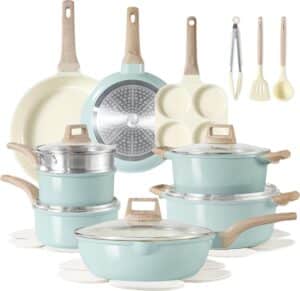
Equipping your kitchen with the right tools is essential for tackling French recipes with confidence. Here are some must-have items for any aspiring French chef:
- Copper Pans: Known for their excellent heat conductivity, copper pans are ideal for precise temperature control.
- Chef’s Knife: A high-quality chef’s knife is indispensable for chopping, slicing, and dicing with precision.
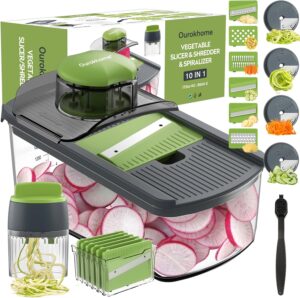
- Mandoline: This tool allows for thin, even slices of vegetables, a common requirement in French recipes.
- Pâtisserie Tools: If you’re interested in French pastries, invest in a set of pastry bags, tips, and molds.
- Mortar and Pestle: Essential for grinding herbs and spices to release their full flavor potential.
Classic French Dishes for Beginners
Now that you have a grasp of the basics, it’s time to start cooking! Here are a few classic French dishes that are perfect for beginners:
- Ratatouille: A vegetable medley that showcases the flavors of summer produce. It’s a simple dish that relies on fresh ingredients and proper seasoning.
- Coq au Vin: This hearty chicken dish is braised in red wine with mushrooms, onions, and bacon, creating a rich, flavorful sauce.
- Quiche Lorraine: A savory tart made with eggs, cream, and bacon, all baked in a buttery pastry shell. It’s perfect for brunch or a light lunch.
- Soupe à l’Oignon (French Onion Soup): A comforting soup made with caramelized onions and beef broth, topped with melted cheese and crusty bread.
- Crêpes: Thin pancakes that can be filled with a variety of sweet or savory ingredients. They’re easy to make and versatile.
Tips for Success in French Cooking
To truly master French cuisine, consider the following tips:
- Practice Mise en Place: This term means “everything in its place.” Before you start cooking, gather and prepare all your ingredients to streamline the process.
- Focus on Technique: Pay attention to the techniques used in recipes, as mastering them will greatly enhance your cooking skills.
- Be Patient: Many French dishes require time and attention to develop their full flavors, so be patient and enjoy the process.
- Taste as You Cook: Continually taste and adjust your seasoning to ensure that your dishes are perfectly balanced.
- Learn from the Masters: Study classic French cookbooks and watch tutorials from renowned chefs to gain insight into the art of French cooking.
Conclusion
Mastering French cuisine may seem challenging, but with a solid understanding of the essential basics, anyone can start creating delicious, authentic French dishes. By embracing the philosophy of French cooking, familiarizing yourself with key ingredients and techniques, and practicing regularly, you’ll be well on your way to becoming a proficient French chef. Remember, the journey is as rewarding as the destination, so take your time and savor every moment spent in the kitchen. Bon appétit!
#ChatGPT ha collaborato alla creazione di questo articolo.