“`html
Introduction
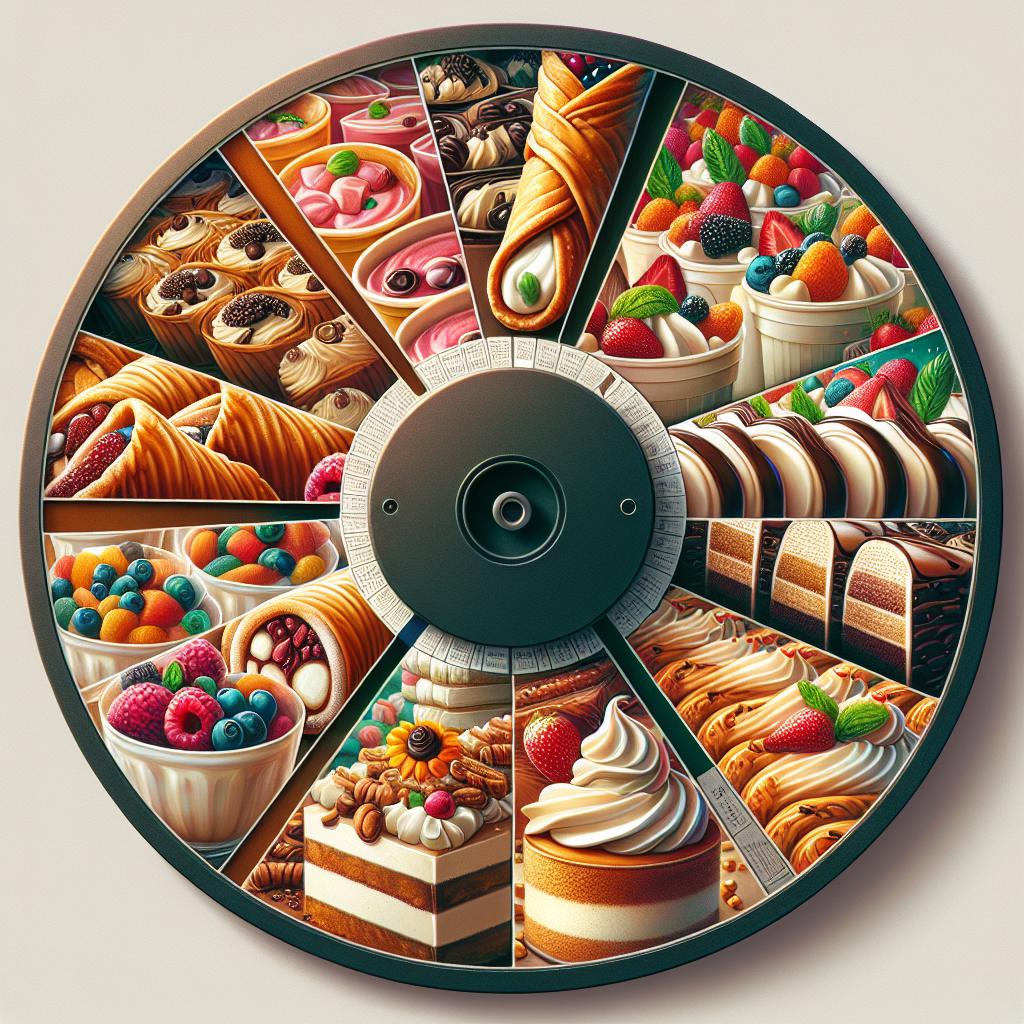
Italian cuisine is synonymous with rich flavors, fresh ingredients, and a deep-rooted cultural heritage. While many associate Italian desserts with classics like tiramisu and cannoli, there is an entire world of no-bake Italian desserts waiting to be explored. These sweet treats offer all the decadence without the need for an oven, perfect for those hot summer days or when you’re short on time. In this ultimate guide, we’ll delve into some of the most beloved no-bake Italian desserts, their origins, and how you can recreate them in your own kitchen.
The Appeal of No-Bake Desserts
Before diving into specific recipes, it’s worth understanding why no-bake desserts hold such appeal. These desserts are typically quicker to prepare, require less specialized equipment, and can be a lifesaver when cooking in a hot kitchen. Moreover, no-bake desserts often have rich and creamy textures that are both luxurious and satisfying. In the realm of Italian cuisine, these desserts often rely on high-quality ingredients like mascarpone cheese, espresso, and rich chocolate, making them indulgent yet simple.
Classic No-Bake Italian Desserts
Tiramisu
One cannot discuss Italian desserts without mentioning tiramisu, perhaps the most iconic of all. This dessert hails from the Veneto region and is renowned for its layers of coffee-soaked ladyfingers, mascarpone cream, and a dusting of cocoa powder. The name “tiramisu” translates to “pick me up,” a nod to the caffeine boost from espresso. To make a no-bake tiramisu, start by beating egg yolks with sugar until pale, then fold in mascarpone and whipped cream. Layer this mixture with espresso-dipped ladyfingers and chill until set. The result is a creamy, coffee-infused delight that never fails to impress.
Panna Cotta
Panna cotta, meaning “cooked cream” in Italian, is a silky dessert that originates from the Piedmont region. Despite its name, panna cotta doesn’t actually require cooking in the traditional sense; instead, it’s a simple mixture of cream, sugar, and gelatin, which is chilled until set. You can infuse panna cotta with various flavors such as vanilla, coffee, or even a hint of citrus. Served with a fresh berry compote or a drizzle of caramel, panna cotta is a versatile dessert that can be as simple or as elaborate as you desire.
Regional Delights: Exploring Other No-Bake Italian Desserts
Sbrisolona
Originating from Lombardy, sbrisolona is a crumbly dessert that is traditionally baked, but there is a no-bake version that is equally delightful. This dessert is similar to a large cookie and is made with almonds, cornmeal, and sugar. For the no-bake version, combine crushed amaretti cookies, chopped almonds, and a dash of lemon zest. Bind these ingredients with melted butter and press the mixture into a pan. Once set, the sbrisolona can be broken into pieces and enjoyed with a cup of espresso.
Zuccotto
Zuccotto is a classic Florentine dessert inspired by the shape of the Duomo of Florence. Traditionally, it involves a dome-shaped mold lined with sponge cake and filled with a ricotta and chocolate mixture. However, for a no-bake version, use store-bought sponge cake or ladyfingers to line a bowl. Fill this with a mixture of ricotta, chocolate chips, and nuts, then chill until firm. Zuccotto is a delightful combination of creamy and crunchy textures, making it a perfect centerpiece for any occasion.
The Role of Ingredients in No-Bake Italian Desserts
The success of no-bake Italian desserts largely depends on the quality of ingredients. Here are a few key components that play a crucial role:
Mascarpone Cheese
A staple in many Italian desserts, mascarpone is a rich and creamy cheese that adds a luxurious texture to dishes like tiramisu. Ensure you use high-quality mascarpone for the best results.
Espresso
Italians take their coffee seriously, and espresso is often used to impart a deep, robust flavor to desserts. Brew fresh espresso for an authentic taste.
Chocolate
Whether in the form of cocoa powder, chocolate chips, or melted chocolate, this ingredient adds depth and richness to desserts. Choose a high-quality chocolate with a high cocoa content for the best flavor.
Tips for Perfect No-Bake Italian Desserts
No-bake desserts may be simpler to prepare, but there are a few tips to ensure they turn out perfectly every time:
Chilling Time
Most no-bake desserts require adequate chilling time to set properly. Be patient and allow desserts to chill for the recommended duration or even overnight for the best texture.
Layering Techniques
When layering ingredients, especially in desserts like tiramisu, ensure each layer is even for a uniform appearance and a balanced flavor with every bite.
Presentation
Italian desserts are as much about aesthetics as they are about taste. Use decorative garnishes like chocolate shavings, fresh berries, or a dusting of cocoa powder to enhance the visual appeal.
Innovative Twists on Traditional Favorites
While traditional recipes hold a special place, there’s always room for innovation. Here are some modern twists on classic no-bake Italian desserts:
Limoncello Tiramisu
Infuse your tiramisu with the zesty flavor of limoncello for a refreshing new take. Substitute the coffee for limoncello syrup and add lemon zest to the mascarpone mixture for a bright, citrusy dessert.
Nutella Panna Cotta
For chocolate lovers, incorporate Nutella into your panna cotta mixture for a creamy, chocolate-hazelnut dessert. Serve with toasted hazelnuts for added crunch.
Conclusion
The world of no-bake Italian desserts is rich and diverse, offering a variety of flavors and textures that are sure to delight any palate. Whether you stick to traditional recipes or explore innovative twists, these desserts are a testament to the creativity and passion inherent in Italian cuisine. By mastering these no-bake treats, you can bring a taste of Italy into your home, impressing family and friends with your culinary prowess. So next time you’re in the mood for something sweet, skip the oven and reach for one of these delightful no-bake Italian desserts.
“`
#ChatGPT ha collaborato alla creazione di questo articolo.