Introduction
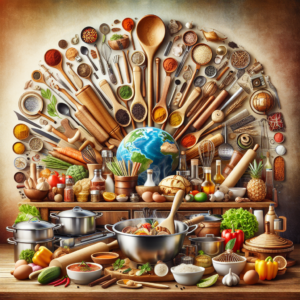
In an increasingly interconnected world, our culinary horizons have expanded far beyond our local borders. The fascination with global cuisine has transformed home kitchens into melting pots of diverse flavors and cooking techniques. From the rich spices of India to the fresh, zesty notes of Mexican cuisine, mastering ethnic cooking at home offers both a delicious challenge and a rewarding experience. This article explores the art of preparing global dishes from the comfort of your home, providing insights into popular world flavors and practical tips to elevate your culinary skills.
The Allure of Ethnic Cooking
The appeal of ethnic cooking lies in its ability to transport you to different parts of the world through taste and aroma. It’s a journey that offers a glimpse into the cultural heritage and traditions of various countries. Whether you’re savoring a warm bowl of Japanese ramen or indulging in a spicy Thai curry, each dish tells a story and shares a piece of its origin’s history. For home cooks, mastering these dishes can offer a sense of accomplishment and an exciting way to break the monotony of everyday meals.
Understanding Global Flavors
To master ethnic cooking, it is essential to understand the key flavors and ingredients that define each cuisine. Here’s a glimpse into some popular global flavors:
Indian Cuisine
Renowned for its bold and aromatic spices, Indian cuisine offers a complex palette of flavors. Essential spices include cumin, coriander, turmeric, and cardamom. Dishes often feature a balance of heat from chili peppers and cooling elements like yogurt or coconut milk.
Italian Cuisine
Known for its simplicity and focus on high-quality ingredients, Italian cooking is characterized by the use of olive oil, garlic, tomatoes, and fresh herbs. Pasta, risottos, and pizzas are staples, with regional variations adding unique twists.
Mexican Cuisine
Vibrant and zesty, Mexican cuisine is marked by the use of corn, beans, chilies, and lime. Traditional dishes often incorporate fresh ingredients such as avocado, cilantro, and tomatoes, creating a delightful contrast of flavors.
Japanese Cuisine
Emphasizing harmony and balance, Japanese cooking relies on fresh, seasonal ingredients. Key components include soy sauce, miso, seaweed, and rice. Presentation is equally important, with an emphasis on creating visually appealing dishes.
Middle Eastern Cuisine
Rich in spices and herbs, Middle Eastern dishes often include ingredients like cumin, sumac, and saffron. Staples such as chickpeas, lentils, and lamb are commonly used, with a focus on creating flavorful, aromatic meals.
Essential Tools for Ethnic Cooking
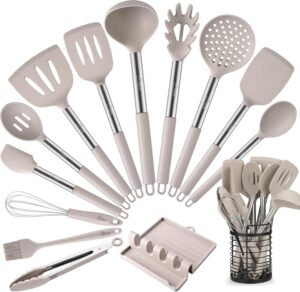
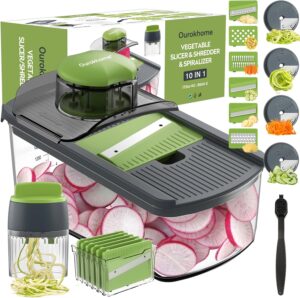
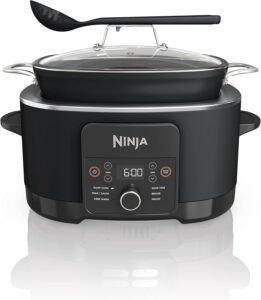
Equipping your kitchen with the right tools can greatly enhance your ethnic cooking experience. Here are some essentials:
Spice Grinder
Many ethnic dishes rely heavily on freshly ground spices to achieve their signature flavors. A spice grinder allows you to freshly grind whole spices, ensuring maximum flavor and aroma.
Mortar and Pestle
Perfect for creating pastes and marinades, a mortar and pestle is a traditional tool used in many cultures. It allows you to crush ingredients like garlic, ginger, and herbs to release their natural oils and flavors.
Wok
A versatile tool in Asian cooking, a wok is ideal for stir-frying, steaming, and deep-frying. Its unique shape allows for even heat distribution, making it perfect for quick and efficient cooking.
Tajine
Originating from North Africa, a tajine is a conical clay pot used for slow-cooking stews and braised dishes. The design helps retain moisture and flavor, resulting in tender, aromatic meals.
Tips for Mastering Ethnic Dishes
Mastering ethnic dishes requires patience, practice, and a willingness to explore new flavors. Here are some tips to help you along the way:
Start Simple
Begin with simpler dishes that require fewer ingredients and techniques. This will help you build confidence and gradually expand your repertoire as you become more comfortable with the cuisine.
Study Authentic Recipes
Seek out authentic recipes from reliable sources, such as cookbooks by native chefs or trusted cooking websites. Understanding the traditional methods and ingredients will provide a solid foundation for your culinary journey.
Experiment with Ingredients
Once you have a grasp of the basics, don’t be afraid to experiment with ingredients and flavors. Substituting or adding elements can lead to unique interpretations of traditional dishes.
Practice Proper Techniques
Focus on mastering fundamental techniques associated with each cuisine, such as rolling sushi, making pasta from scratch, or properly seasoning a curry. These skills will significantly enhance the quality of your dishes.
Embrace Mistakes
Every great cook learns from their mistakes. Don’t be discouraged by initial failures; instead, view them as opportunities to learn and improve. Cooking is as much about the process as it is about the final product.
Conclusion
Mastering global cuisine at home is a rewarding endeavor that broadens your culinary skills and enriches your dining experiences. By understanding and appreciating the unique flavors and techniques of different cultures, you can create authentic and delicious ethnic dishes. Whether you’re a seasoned cook or a beginner, the world of ethnic cooking offers endless possibilities and opportunities for discovery. So, gather your ingredients, sharpen your knives, and embark on a flavorful journey through the diverse and vibrant world of global cuisine.
#ChatGPT ha collaborato alla creazione di questo articolo.