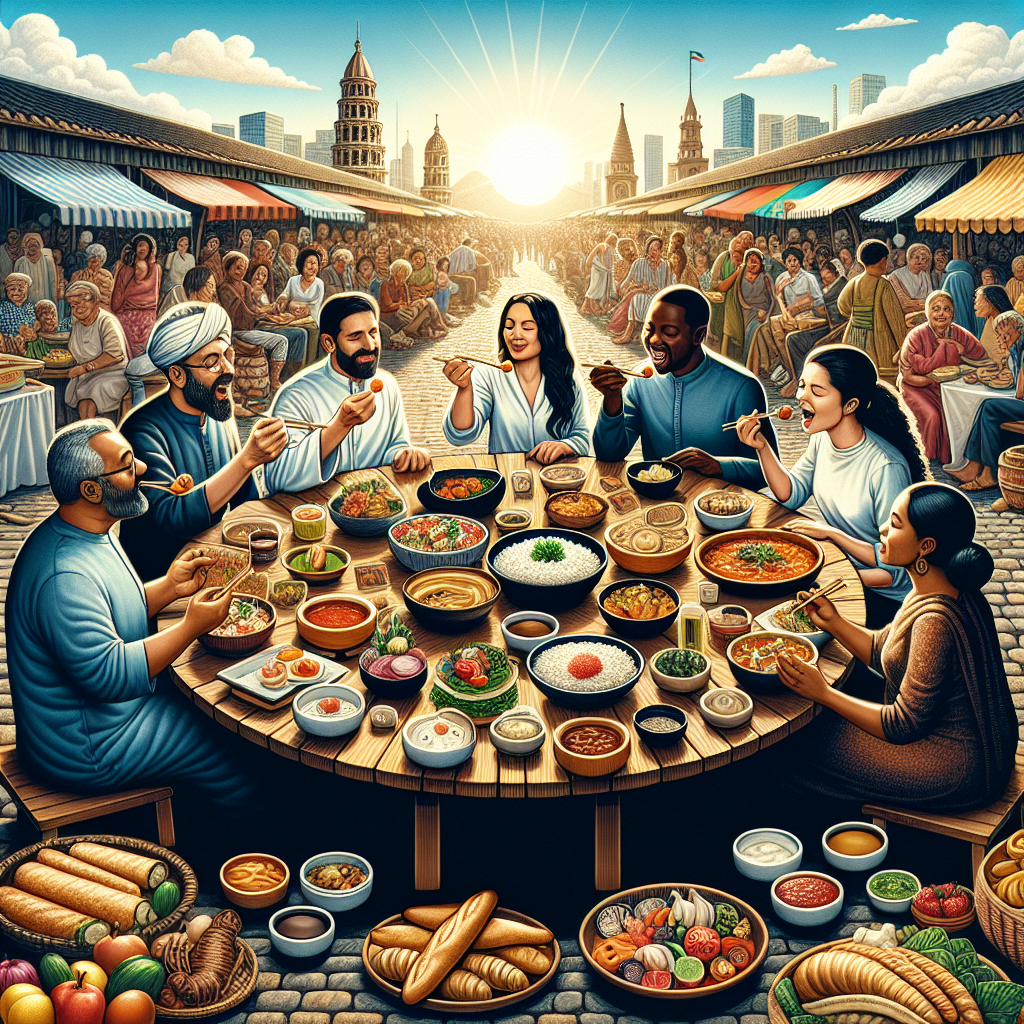
Food is an integral part of cultural identity. It tells the story of a region’s history, geography, and the spirit of its people. Engaging with global food traditions offers a unique way to understand and appreciate the diverse cultures that populate our world. In this exploration, we’ll delve into some of the most fascinating food traditions from around the globe, highlighting their unique characteristics and cultural significance.
The Cultural Significance of Food
Before diving into specific traditions, it’s essential to understand why food holds such a significant place in cultural expression. Across the world, food serves as a medium for celebration, a means of socialization, and a tool for expressing identity. It is often deeply tied to rituals, religious practices, and communal gatherings. By exploring food traditions, we gain insight into the values, beliefs, and histories of different cultures.
Asia: A Culinary Mosaic
Japan: The Art of Washoku
Japanese cuisine, known as Washoku, is revered for its emphasis on seasonality, balance, and presentation. Rooted in principles of harmony and simplicity, Washoku is recognized by UNESCO as an intangible cultural heritage. Key elements include rice, fresh fish, and seasonal vegetables, often prepared with minimal seasoning to highlight natural flavors. Traditional meals are carefully composed to include a variety of colors and textures, reflecting a deep respect for nature.
India: A Spice Symphony
India’s culinary landscape is as diverse as its culture. Each region boasts its own flavors and cooking techniques, but a common thread is the rich use of spices. Indian cuisine is a vibrant tapestry woven with spices like cumin, coriander, turmeric, and cardamom, creating complex flavors that are both bold and harmonious. Food is central to Indian hospitality and is often shared during festivals and family gatherings, reinforcing social bonds.
Europe: Tradition and Innovation
Italy: A Celebration of Simplicity
Italian cuisine is celebrated for its simplicity and focus on high-quality ingredients. From the olive groves of Tuscany to the vineyards of Piedmont, each region showcases its unique produce. The Italian food tradition emphasizes fresh, seasonal ingredients, with dishes like pasta, risotto, and pizza forming the backbone of the diet. Meals are often a leisurely affair, bringing families together to enjoy the pleasures of the table.
France: A Culinary Art Form
French cuisine is synonymous with sophistication and technique. It has significantly influenced Western culinary arts and is renowned for its rich flavors and meticulous preparation. The French take pride in their bread, cheese, and wine, which are integral to their food culture. Dining in France is a ritualistic experience, with meals often lasting several hours and featuring multiple courses, each paired with the perfect wine.
Africa: A Fusion of Flavors
Morocco: A Spice Market
Moroccan cuisine is a melting pot of Berber, Arab, and French influences. It is characterized by its use of spices such as saffron, cumin, and cinnamon, which create layers of flavor. Tagines, slow-cooked stews named after the clay pot they are cooked in, are a staple dish, often combining meat, vegetables, and dried fruits. Moroccan meals are a communal affair, with dishes shared from a central platter, embodying the spirit of hospitality.
West Africa: A Grain-Based Diet
West African cuisine is predominantly based on grains like millet, sorghum, and rice, accompanied by soups and stews rich in vegetables, meat, and fish. The use of ingredients like peanuts, yams, and plantains adds depth and variety to the dishes. Meals are often accompanied by spicy sauces and are shared among family and friends, reinforcing community ties.
Americas: A Blend of Native and Colonial Influences
Mexico: A Fiesta of Flavors
Mexican cuisine is a vibrant blend of Indigenous and Spanish influences. It is known for its bold flavors, colorful presentations, and wide variety of ingredients. Corn, beans, and chili peppers are staples, while dishes like tacos, enchiladas, and mole showcase the complex interplay of flavors. Mexican food is deeply tied to cultural identity and is a central element of celebrations and festivals.
Peru: A Culinary Crossroads
Peruvian cuisine is a testament to the country’s diverse geography and cultural heritage. It combines Indigenous, Spanish, African, and Asian influences, resulting in a unique culinary identity. Potatoes, quinoa, and fresh seafood are prominent ingredients, with ceviche being a national dish. Peruvian food is celebrated for its innovation and fusion, exemplified by the rise of Lima as a global culinary destination.
The Middle East: A Heritage of Hospitality
Lebanon: A Mezze Tradition
Lebanese cuisine is a reflection of its rich history and cultural diversity. It is characterized by fresh ingredients, fragrant spices, and a balance of flavors. The tradition of mezze, a selection of small dishes served as appetizers, is central to Lebanese dining. It encourages sharing and social interaction, embodying the culture’s emphasis on hospitality and community.
Iran: The Art of Persian Cooking
Persian cuisine is a blend of ancient traditions and modern influences, known for its aromatic spices, fresh herbs, and delicate flavors. Rice is a staple, often paired with kebabs, stews, and aromatic dishes. The use of ingredients like saffron, pomegranate, and rose water adds a unique depth to the cuisine. Persian meals are a celebration of flavor and are often enjoyed in elaborate settings with family and friends.
Conclusion
Exploring global cultural food traditions is a journey through history, geography, and the human spirit. Each cuisine tells a story of the people who created it, reflecting their environment, values, and beliefs. By engaging with these traditions, we not only savor delicious flavors but also gain a deeper understanding of the world’s rich cultural tapestry. As we continue to share and celebrate our culinary heritage, we foster a greater appreciation for the diversity that makes our world so vibrant and unique.
#ChatGPT ha collaborato alla creazione di questo articolo.