Introduction
In today’s fast-paced world, maintaining a healthy lifestyle can be challenging. However, the journey to health and wellness often begins at home, specifically in your kitchen. Transforming your cooking habits can have a profound impact on your overall well-being. By adopting smart kitchen habits, you can create nutritious meals that are both satisfying and easy to prepare. This article will explore practical strategies to transform your cooking and enhance your culinary skills, ultimately leading to a healthier, more balanced life.
Stock Your Kitchen with Healthy Staples
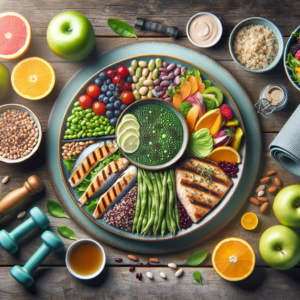
The foundation of smart cooking begins with having the right ingredients on hand. Keeping your kitchen stocked with healthy staples ensures you have the resources needed to prepare nutritious meals. Here are some essential items to consider:
- Whole Grains: Brown rice, quinoa, oats, and whole wheat pasta are excellent sources of fiber and essential nutrients.
- Lean Proteins: Chicken breast, turkey, tofu, and legumes offer protein without excessive fat.
- Fresh Produce: Seasonal fruits and vegetables provide a wide range of vitamins and minerals.
- Healthy Fats: Olive oil, avocados, and nuts contribute to heart health and flavor.
- Herbs and Spices: These can transform the flavor of any dish without adding extra calories or sodium.
Plan Meals in Advance
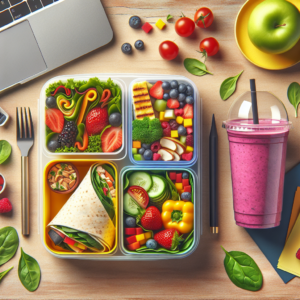
Meal planning is a cornerstone of smart kitchen habits. By dedicating time each week to plan your meals, you can ensure a balanced diet while avoiding last-minute unhealthy choices. Here are some tips to get started:
Create a Weekly Menu
Design a weekly menu that incorporates a variety of proteins, grains, and vegetables. Planning meals in advance helps you stay organized and ensures you have the necessary ingredients on hand.
Batch Cook and Freeze
Prepare large batches of meals and freeze them for future use. This approach saves time and provides quick access to homemade, nutritious meals on busy days.
Prep Ingredients Ahead of Time
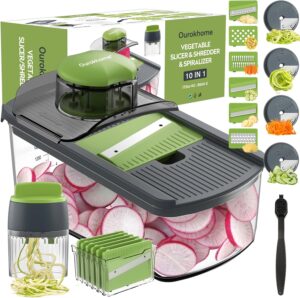
Chop vegetables, marinate proteins, and measure spices in advance. Prepping ingredients can significantly reduce cooking time and make meal preparation more efficient.
Embrace Mindful Cooking
Mindful cooking involves being present and engaged in the cooking process. It encourages a deeper connection with the food you prepare, leading to healthier choices and a more enjoyable culinary experience.
Focus on the Process
Instead of rushing through meal preparation, take time to appreciate each step. Pay attention to the textures, colors, and aromas of the ingredients, and savor the experience of cooking.
Practice Portion Control
Mindful cooking encourages awareness of portion sizes. Use measuring cups or a kitchen scale to ensure you’re serving reasonable portions that align with your dietary goals.
Reduce Food Waste
Being mindful of food waste is an essential aspect of smart cooking. Use leftovers creatively, compost scraps, and store food properly to extend its shelf life.
Utilize Technology in the Kitchen
Technology can be a valuable ally in transforming your cooking habits. From smart appliances to cooking apps, there are numerous tools available to make cooking more efficient and enjoyable.
Smart Appliances
Invest in smart kitchen appliances, such as programmable slow cookers, air fryers, and induction cooktops. These gadgets can simplify cooking and help you prepare meals with less effort.
Cooking Apps and Online Resources
Explore cooking apps and websites for recipe inspiration, nutritional information, and cooking tips. Many apps offer meal planning features that can help streamline your cooking routine.
Digital Thermometers and Scales
Digital thermometers and kitchen scales ensure precise cooking and portion control. They can help you achieve consistent results and maintain a balanced diet.
Incorporate Global Flavors
Expanding your culinary repertoire by exploring global cuisines can transform your cooking and make mealtime exciting. Incorporating diverse flavors and ingredients enhances your dishes’ nutritional profile and encourages creativity in the kitchen.
Experiment with New Ingredients
Try incorporating ingredients from various cultures, such as miso, tahini, or za’atar, to add depth and complexity to your meals. Exploring new flavors can also introduce you to different nutrients and health benefits.
Learn from Different Culinary Traditions
Study cooking techniques from around the world to broaden your skills. Whether it’s mastering the art of stir-frying or perfecting a traditional Italian risotto, learning new methods can inspire and invigorate your cooking routine.
Practice Sustainable Cooking
Sustainable cooking practices benefit both your health and the environment. By making eco-conscious choices in the kitchen, you contribute to a more sustainable future while enjoying nutritious, wholesome meals.
Choose Local and Seasonal Ingredients
Opt for locally sourced and seasonal produce to reduce your carbon footprint and support local farmers. Seasonal ingredients are often fresher, more flavorful, and more nutrient-dense.
Minimize Single-Use Plastics
Reduce your reliance on single-use plastics by using reusable containers, bags, and utensils. This simple habit can significantly decrease waste in your kitchen.
Conserve Energy and Water
Adopt energy-efficient cooking methods, such as using a pressure cooker or steaming, to conserve energy. Additionally, be mindful of water usage by using the appropriate amount for cooking and cleaning.
Conclusion
Transforming your cooking with smart kitchen habits is an empowering journey that can lead to better health and well-being. By stocking your kitchen with healthy staples, planning meals in advance, embracing mindful cooking, utilizing technology, exploring global flavors, and practicing sustainability, you can elevate your culinary skills and enjoy nutritious, delicious meals every day. Start incorporating these habits into your routine, and witness the positive impact on your lifestyle and overall happiness.
#ChatGPT assisted in the creation of this article.