Introduction
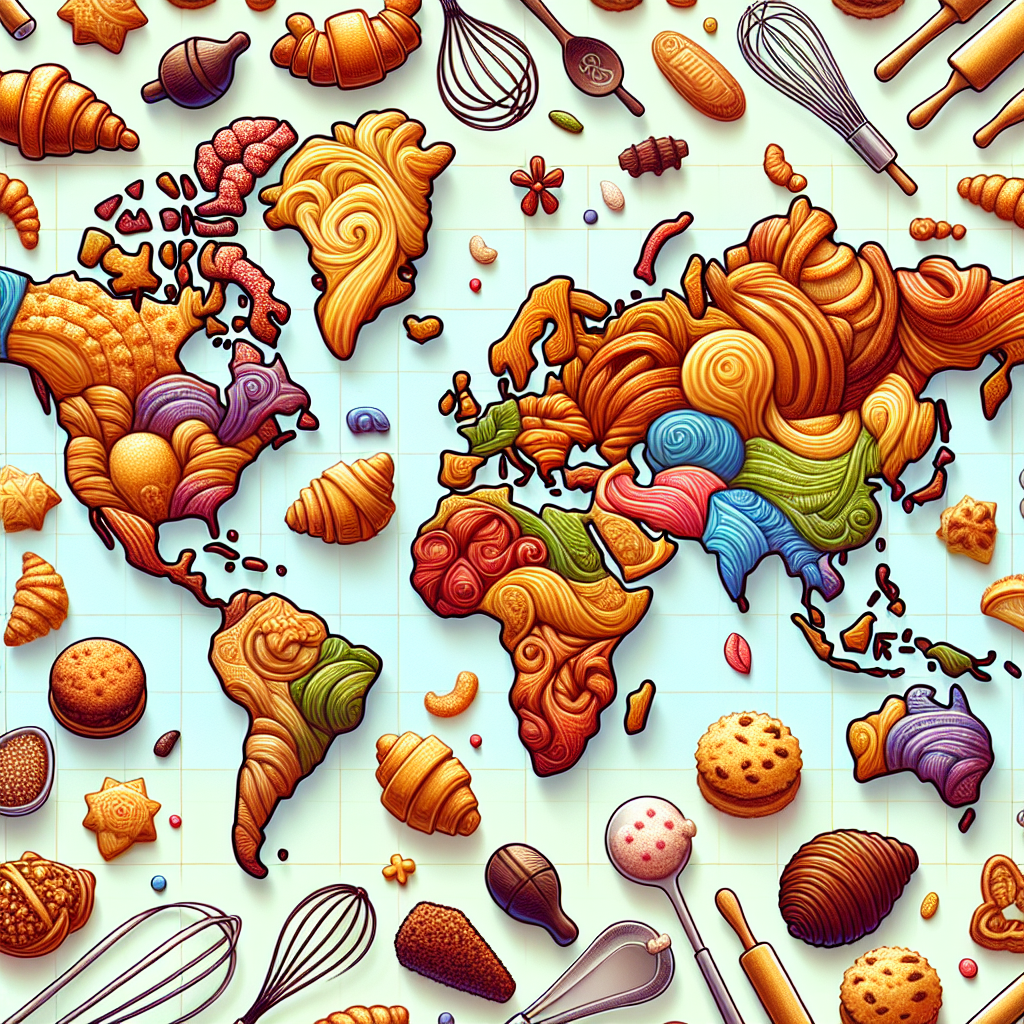
Pastries have long been a cherished aspect of culinary traditions across the globe. Beyond their irresistible taste, these baked wonders carry with them stories of culture, history, and the art of baking. In this exploration of global traditional pastries, we shall embark on a flavorful journey that spans continents, each with its own unique spin on what it means to create a pastry.
Europe: A Symphony of Buttery Delights
France: The Iconic Croissant
No discussion of European pastries would be complete without mentioning the croissant. Originally inspired by the Austrian kipferl, the croissant has become a quintessential symbol of French baking. Its delicate layers of buttery dough and its crescent shape have captured the hearts of pastry lovers worldwide. The process of creating the perfect croissant is an art form, involving precise temperature control and skillful lamination of the dough.
Italy: The Sweet Indulgence of Cannoli
From the sun-soaked shores of Sicily, the cannoli has risen to global fame. This delightful pastry consists of a fried tubular shell filled with a sweet, creamy ricotta mixture. Often adorned with chocolate chips, candied fruit, or pistachios, cannoli are a testament to Italy’s love affair with simple yet decadent flavors. Each bite offers a contrast of crunchy shell and smooth filling, making it an unforgettable experience.
Denmark: The Delectable Danish Pastry
While the name might suggest a Danish origin, the Danish pastry owes much of its development to Austrian bakers. What sets it apart is its buttery, flaky texture and the variety of fillings it can hold, from fruit jams to custards. The pastry is often topped with icing or nuts, providing a sweet finish that complements its rich taste.
Middle East: A Dance of Sweet Spices
Turkey: The Layers of Baklava
Baklava, arguably one of the most famous pastries from the Middle East, is a rich, sweet dessert made of layers of filo pastry, nuts, and sweetened with syrup or honey. Originating from the Ottoman Empire, baklava has become a staple in many Middle Eastern countries. The combination of crispy pastry, aromatic nuts, and syrup creates a symphony of flavors that is both decadent and satisfying.
Lebanon: The Fragrant Ma’amoul
Ma’amoul are traditional Lebanese shortbread pastries filled with dates, nuts, or figs. These pastries are known for their unique shapes, often achieved using wooden molds. The use of fragrant ingredients like rose water or orange blossom water in the dough imparts a distinctive aroma, making ma’amoul a beloved treat during festive occasions such as Eid or Easter.
Iran: The Saffron-Infused Bamieh
Bamieh are small, syrup-soaked pastries that bear a resemblance to fritters. They are often flavored with saffron, rose water, and cardamom, ingredients that are quintessential in Persian cuisine. Crispy on the outside and soft on the inside, bamieh are a staple during celebrations and are enjoyed with tea.
Asia: A Fusion of Textures and Flavors
Japan: The Art of Mochi
Mochi is a traditional Japanese pastry made from glutinous rice that is pounded into a paste and molded into shape. It is often filled with sweet red bean paste, creating a chewy, subtly sweet treat. Mochi is a versatile ingredient, used in both savory and sweet dishes, and plays a significant role in Japanese New Year celebrations.
India: The Delightful Jalebi
Jalebi is a popular Indian dessert made from a fermented batter that is deep-fried into spiral shapes and soaked in sugar syrup. Known for its bright orange color and sticky, syrupy consistency, jalebi is a festive sweet enjoyed during celebrations and religious events. The contrast of crispy exterior and sugary interior defines its unique appeal.
China: The Mooncake Tradition
Mooncakes are an integral part of the Mid-Autumn Festival in China. These round pastries are typically filled with lotus seed paste or red bean paste and may contain salted egg yolks. The crust is often imprinted with intricate designs, symbolizing unity and togetherness. Sharing mooncakes with family and friends is a cherished tradition that celebrates harmony.
Latin America: A Celebration of Sweetness
Mexico: The Tempting Concha
Conchas are a type of Mexican sweet bread known for their shell-like appearance. Their soft, fluffy interior is topped with a sugary crust that can come in various colors and flavors, such as vanilla or chocolate. Conchas are a staple in Mexican bakeries and are often enjoyed with coffee or hot chocolate for breakfast or as an afternoon treat.
Argentina: The Decadent Alfajores
Alfajores are a beloved Argentine pastry consisting of two shortbread-like cookies filled with dulce de leche, a caramel-like spread. They are often coated in powdered sugar or dipped in chocolate. The combination of crumbly cookies and creamy filling makes alfajores an irresistible treat, cherished in Argentina and throughout Latin America.
Brazil: The Coconutty Beijinho
Beijinho, which translates to “little kiss,” is a Brazilian confection that combines condensed milk, butter, and coconut. These bite-sized treats are rolled into balls and often adorned with a single clove on top. Beijinhos are a popular choice for birthday parties and festive occasions, offering a sweet coconut flavor that delights the senses.
Africa: A Tapestry of Rich Pastry Traditions
Morocco: The Honeyed Chebakia
Chebakia is a Moroccan pastry traditionally prepared during Ramadan. Made from dough flavored with anise, sesame, and cinnamon, it is shaped into intricate patterns and fried until golden brown. The pastries are then soaked in honey, resulting in a sticky, sweet treat that is both fragrant and delicious.
South Africa: The Spiced Koeksister
Koeksisters are a South African pastry that blends the flavors of the East and West. These braided, deep-fried pastries are soaked in a spiced syrup, offering a blend of sweetness and spice. The contrast between the crispy exterior and the syrupy interior makes koeksisters a unique and delightful treat.
Nigeria: The Savory Puff-Puff
Puff-puff is a popular Nigerian street food that is akin to a doughnut. Made from a simple dough of flour, sugar, and yeast, these deep-fried balls are soft and fluffy on the inside. While traditionally sweet, variations may include savory spices or even a hint of chili, reflecting the diverse flavors of Nigeria.
Conclusion
The world of traditional pastries is a rich tapestry of flavors and cultures, each bringing its own unique ingredients, techniques, and stories to the table. As we journey through these global delights, we not only savor their delicious taste but also gain a deeper appreciation for the cultural heritage and artistry behind them. Whether enjoyed in the bustling streets of Tokyo, the quaint cafes of Paris, or the vibrant markets of Marrakech, these pastries remind us of the universal joy that sweet treats bring to our lives.
#ChatGPT ha collaborato alla creazione di questo articolo.