Introduction
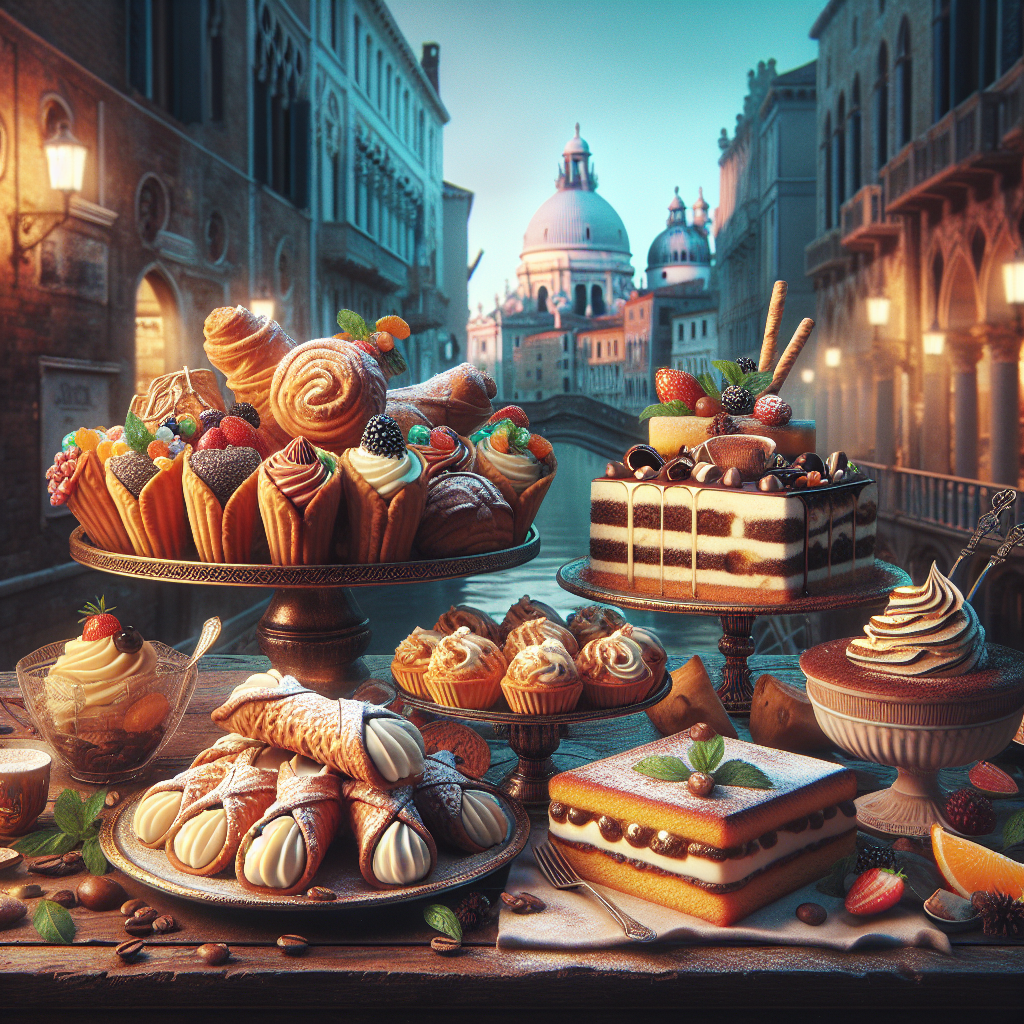
Italy, a country renowned for its rich cultural heritage, breathtaking landscapes, and unparalleled culinary prowess, offers a treasure trove of sweet delights that capture the essence of its diverse regions. Italian desserts, or “dolci,” are not just a treat for the taste buds but also a journey into the history and traditions of this Mediterranean paradise. From the bustling streets of Rome to the romantic canals of Venice, each region boasts its own signature sweets that have become synonymous with Italian gastronomy. In this article, we will embark on a delectable journey to explore Italy’s best dessert “popolari” delights, uncovering the stories and flavors that make them timeless.
Tiramisu: The Quintessential Italian Dessert
No exploration of Italian desserts would be complete without tipping our hats to tiramisu, a dessert that has transcended borders to become a global favorite. Originating from the Veneto region in the 1960s, tiramisu combines layers of coffee-soaked ladyfingers with a luscious mascarpone cheese mixture, dusted with cocoa powder. Its name, which means “pick me up” in Italian, alludes to the invigorating effect of its coffee and cocoa ingredients. Each spoonful offers a harmonious blend of flavors and textures, a testament to the Italian mastery of balancing simplicity and sophistication.
Gelato: A Creamy Delight
Italy’s gelato is more than just ice cream; it is an art form. With roots tracing back to the Renaissance period, gelato is characterized by its dense texture and intense flavor, achieved through a careful crafting process that uses less air and fat than traditional ice cream. The vibrant gelaterias found throughout Italy offer an array of flavors, from the classic stracciatella to exotic pistachio or tangy lemon. Each scoop is a testament to Italy’s dedication to quality ingredients and culinary innovation, making gelato an essential stop on any dessert lover’s itinerary.
Cannoli: Sicily’s Sweet Masterpiece
The island of Sicily gifts the world with cannoli, a dessert that encapsulates the region’s rich history and culinary diversity. Traditionally filled with sweetened ricotta cheese and often dotted with chocolate chips or candied fruit, cannoli are encased in a crispy, fried pastry shell. This delightful contrast in texture, along with the delicate sweetness of the filling, makes cannoli a must-try for anyone visiting Sicily. The origins of cannoli are steeped in legend, with some attributing it to Arab influences, illustrating the melting pot of cultures that have shaped Sicilian cuisine.
Panna Cotta: A Silky Northern Treat
Hailing from the northern region of Piedmont, panna cotta is a dessert that embodies simplicity and elegance. Made from sweetened cream thickened with gelatin and molded, panna cotta is often served with a drizzle of fruit coulis or caramel sauce. Its name, meaning “cooked cream,” reflects the minimalistic approach of Piedmontese cuisine, where quality ingredients shine. The delicate, custard-like texture of panna cotta makes it a refreshing end to any Italian meal, offering a subtle yet satisfying sweetness.
Baba al Rum: A Neapolitan Indulgence
In Naples, the vibrant city known for its passionate lifestyle and culinary delights, baba al rum stands out as a boozy dessert favorite. This yeast cake is soaked in a rum-infused syrup, resulting in a moist, flavorful treat that captures the essence of Neapolitan zest for life. The baba is often served with a dollop of whipped cream or filled with pastry cream, enhancing its indulgent nature. Its origins can be traced back to French and Polish influences, showcasing the interconnectedness of European culinary traditions.
Zabaglione: A Whisked Marvel
Zabaglione, a frothy custard-like dessert, showcases the Italian affinity for transforming simple ingredients into culinary marvels. Made by whisking together egg yolks, sugar, and Marsala wine over gentle heat, zabaglione is a testament to the Italian art of cooking with finesse. Traditionally served warm, this dessert can be enjoyed on its own or paired with fresh berries for added contrast. Its airy texture and rich flavor make zabaglione a delightful experience, whether served as a dessert or a luxurious breakfast treat.
Pastiera Napoletana: Easter’s Sweet Symbol
Originating from the heart of Naples, pastiera Napoletana is a cake that holds deep cultural significance, traditionally prepared during Easter. Made with a filling of ricotta cheese, cooked wheat, eggs, and aromatic orange blossom water, this dessert embodies the spirit of renewal and celebration. The combination of these ingredients creates a unique texture and flavor profile, with the sweet, citrusy aroma evoking the essence of springtime in Southern Italy. Pastiera is not just a dessert; it is a symbol of tradition, often baked in large quantities to share with family and friends during the festive season.
Ricciarelli: Tuscan Almond Treasures
Traveling to the picturesque region of Tuscany, one encounters ricciarelli, almond cookies that date back to the Renaissance era. These soft, chewy cookies are made with almond paste, sugar, and egg whites, often coated in a dusting of powdered sugar. Ricciarelli are a testament to Tuscany’s rich culinary legacy, offering a delicate balance of sweetness and nutty flavor. These cookies, often enjoyed with a glass of Vin Santo, a sweet Italian dessert wine, showcase the region’s dedication to preserving traditional recipes that have stood the test of time.
Tartufo: A Decadent Surprise
Calabria, the toe of Italy’s boot-shaped peninsula, boasts a dessert that is as intriguing as it is delicious: tartufo. This frozen delight consists of gelato molded around a core of rich chocolate or fruit syrup, often dusted with cocoa powder or rolled in nuts. Tartufo’s origin is shrouded in mystery, with tales of its creation varying across the region, but its indulgent nature is universally acknowledged. The combination of textures and temperatures makes each bite an experience in itself, a testament to the creativity of Calabrian dessert artisans.
Conclusion
Italy’s dessert “popolari” delights offer a window into the country’s rich culinary tapestry, with each sweet treat telling a story of tradition, innovation, and regional pride. From the iconic tiramisu to lesser-known gems like tartufo, these desserts invite us to savor the artistry and passion that define Italian cuisine. Whether enjoyed in a bustling city café or a quaint countryside trattoria, Italy’s desserts are a celebration of life, love, and la dolce vita. As we indulge in these sweet creations, we partake in a timeless tradition that transcends borders and generations, uniting us in a shared appreciation for the simple joys of life.
#ChatGPT ha collaborato alla creazione di questo articolo.