The Middle East, a region steeped in history and culture, offers a culinary landscape as diverse and vibrant as its people. The rich tapestry of Middle Eastern cuisine is woven with flavors that are both exotic and comforting, drawing on a blend of spices, herbs, and ingredients that have been traded along ancient routes for centuries. This article delves into the aromatic delights of Middle Eastern cooking, exploring the culinary secrets that make this cuisine a global favorite.
The Spice of Life: A Symphony of Flavors
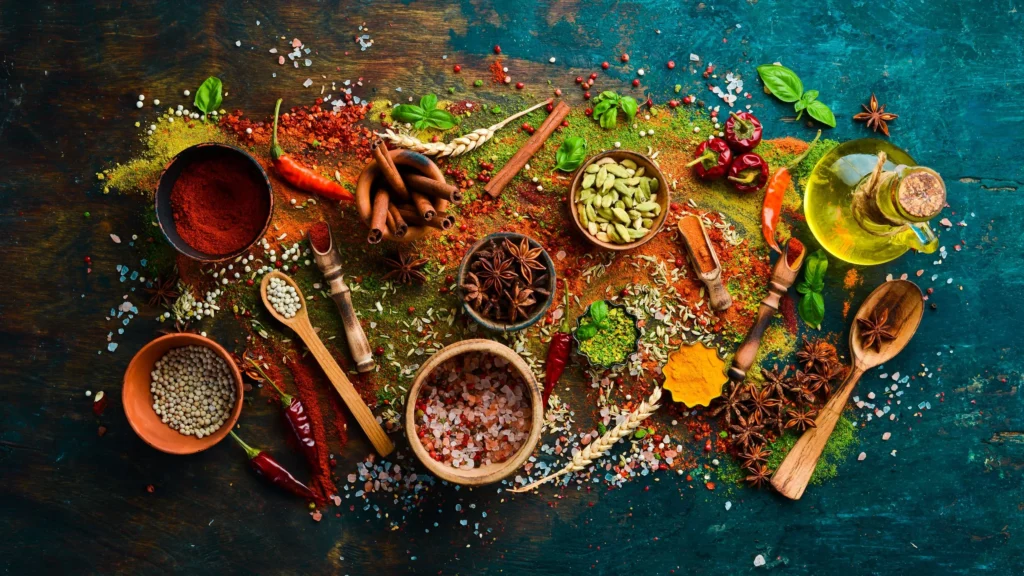
Middle Eastern cuisine is renowned for its bold and aromatic flavors, which are achieved through the expert use of spices and herbs. Common spices include cumin, coriander, turmeric, sumac, and za’atar, each adding a unique dimension to dishes. These spices not only enhance flavor but also offer health benefits, a testament to the region’s holistic approach to cooking.
Cumin and Coriander
Cumin, with its warm, earthy aroma, is a staple in many Middle Eastern dishes, from stews to spice blends. It is often paired with coriander, whose citrusy, slightly sweet notes complement cumin’s robust profile. Together, they form the backbone of many traditional spice mixes, such as baharat and ras el hanout.
Sumac and Za’atar
Sumac, a tangy, deep red spice, is derived from dried berries and adds a lemony zest to dishes. It is frequently used in salads, marinades, and as a garnish for hummus. Za’atar, a blend of sumac, sesame seeds, and herbs like thyme or oregano, is a versatile seasoning used on everything from flatbreads to grilled meats.
Essential Ingredients: The Building Blocks of Middle Eastern Cuisine
The foundation of Middle Eastern cooking lies in its core ingredients, which are both humble and versatile. These ingredients not only define the region’s culinary identity but also reflect its agricultural heritage.
Grains and Legumes
Grains such as rice, bulgur, and couscous are dietary staples, providing the base for many dishes. Legumes, including lentils and chickpeas, are equally important, offering a rich source of protein. Dishes like mujaddara (rice and lentils) and falafel (fried chickpea patties) showcase the clever use of these ingredients.
Fresh Produce
Fresh vegetables and fruits play a vital role in Middle Eastern cuisine. Eggplant, zucchini, tomatoes, and cucumbers are commonly used, often cooked in olive oil and seasoned with herbs. Fruits like dates, pomegranates, and figs add sweetness and depth to both savory and sweet dishes.
Traditional Dishes: A Culinary Journey
Middle Eastern cuisine offers a wide array of dishes, each with its own unique story and flavor profile. These dishes are a testament to the region’s rich cultural tapestry and the creativity of its people.
Hummus and Baba Ganoush
No discussion of Middle Eastern cuisine is complete without mentioning hummus, a creamy blend of chickpeas, tahini, lemon juice, and garlic. Similarly, baba ganoush, made from roasted eggplant, tahini, and olive oil, offers a smoky alternative. Both are served as mezze, a selection of small dishes meant for sharing.
Shawarma and Kebabs
Shawarma and kebabs are quintessential street foods, beloved for their bold flavors and satisfying textures. Shawarma, marinated meat cooked on a vertical rotisserie, is typically served in flatbread with garlic sauce and pickles. Kebabs, skewered and grilled, offer endless variety, with lamb, chicken, and beef being popular choices.
The Art of Hospitality: Sharing and Savoring
In Middle Eastern culture, food is more than sustenance; it is a means of bringing people together. The art of hospitality, known as “karam,” is deeply ingrained in the region’s culinary traditions.
Mezze: A Feast for the Senses
Mezze is a cornerstone of Middle Eastern dining, offering a selection of small dishes that encourage sharing and conversation. This communal style of eating transcends mere consumption, turning meals into social events where bonds are strengthened over shared platters of food.
Celebratory Feasts
Special occasions often call for elaborate feasts, where the abundance of food symbolizes generosity and goodwill. Dishes like lamb mansaf, a traditional Jordanian dish of lamb cooked in yogurt and served over rice, are reserved for celebrations, highlighting the importance of food in cultural rituals.
Conclusion: Embracing the Middle Eastern Culinary Experience
Middle Eastern cuisine offers a rich and aromatic journey through a region that has long been a crossroads of cultures and flavors. By embracing the culinary secrets of the Middle East, one can experience the warmth and hospitality that define this vibrant culinary tradition. Whether through the aromatic spices, the essential ingredients, or the art of sharing food, Middle Eastern cuisine invites us to explore a world where every meal is a celebration of life and community.