Africa, a vast continent rich in culture and history, offers a culinary landscape as diverse as its people and geography. From the spicy stews of West Africa to the aromatic tagines of North Africa, African cuisine is a tapestry of flavors, ingredients, and cooking techniques that reflect its rich heritage. This article invites you on a flavorful journey through the continent, highlighting some of the most authentic and beloved dishes that Africa has to offer.
North African Cuisine: A Fusion of Flavors
North African cuisine is a delightful fusion of Mediterranean, Arabic, and Berber influences. The region’s proximity to the Mediterranean Sea has resulted in a diet rich in vegetables, fruits, nuts, grains, and olive oil, with spices playing a pivotal role in flavoring dishes.
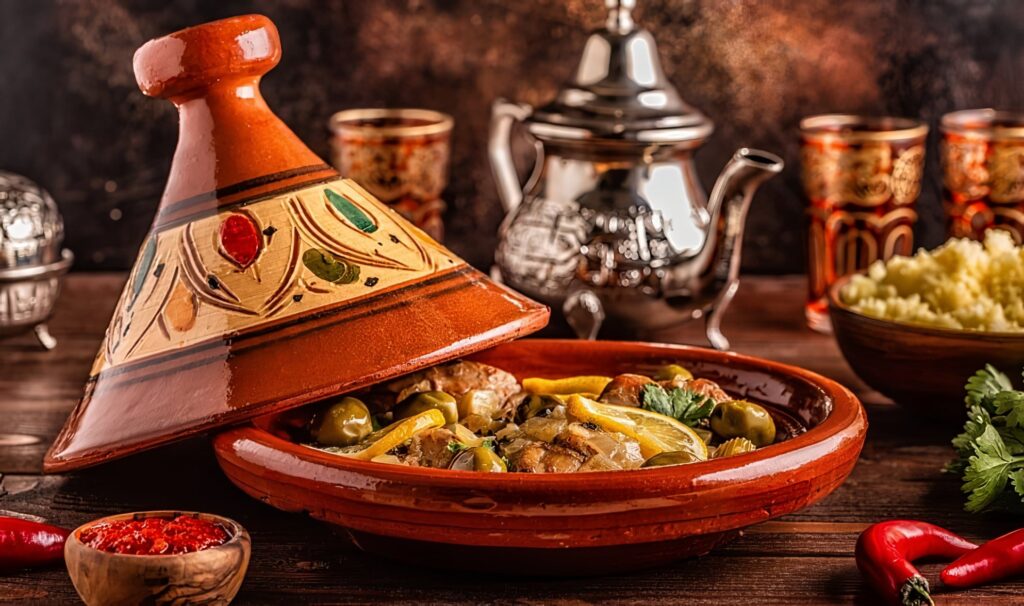
Moroccan Tagine
One of the most iconic dishes from North Africa is the Moroccan tagine. Named after the earthenware pot in which it is cooked, a tagine is a slow-cooked stew that often combines meat, poultry, or fish with vegetables, dried fruits, nuts, and a medley of spices. Common spices include cumin, ginger, cinnamon, and saffron, creating a complex and aromatic flavor profile. Popular variations include lamb with apricots and almonds or chicken with preserved lemons and olives.
Algerian Couscous
Couscous is a staple food in North African cuisine, particularly in Algeria. Made from semolina wheat, couscous is traditionally steamed and served with a hearty stew of meat and vegetables. The dish is often flavored with harissa, a spicy chili paste, and garnished with fresh herbs. It is a communal dish, symbolizing hospitality and shared meals among family and friends.
West African Delights: A Spice Lover’s Paradise
West African cuisine is known for its bold flavors and use of indigenous ingredients. The region’s dishes are characterized by their use of grains, beans, root vegetables, and an array of spices that create rich and hearty meals.
Jollof Rice
Jollof rice is a popular one-pot dish across West Africa, particularly in Nigeria and Ghana, though each country claims to have the best version. The dish consists of rice cooked with tomatoes, onions, and spices, often with the addition of meat, fish, or vegetables. The key to a good jollof rice is the slow cooking process, allowing the flavors to meld together, resulting in a savory and satisfying meal.
Egusi Soup
Egusi soup is a staple dish in Nigeria, made with ground melon seeds (egusi), which thicken the soup and provide a unique nutty flavor. The soup is typically cooked with leafy greens, tomatoes, peppers, and a protein source, such as fish or meat. It is often served with fufu, a dough-like side made from starchy vegetables like yams or cassava, which is used to scoop up the soup.
East African Cuisine: A Blend of Tradition and Innovation
East African cuisine is a reflection of the region’s diverse cultures and historical influences. The coastal regions have been shaped by trade with Arabs, Indians, and Europeans, resulting in a unique culinary fusion.
Ugandan Matoke
Matoke, a traditional Ugandan dish, is made from green bananas that are peeled, boiled, and mashed. It is often served with a meat or vegetable stew, cooked in a sauce made from tomatoes, onions, and spices. Matoke is a comforting and filling dish, showcasing the simplicity and richness of Ugandan cuisine.
Kenyan Nyama Choma
Nyama choma, meaning “grilled meat,” is a beloved dish in Kenya. Typically made with goat or beef, the meat is seasoned with salt and slowly grilled over an open flame, resulting in a smoky and tender delicacy. It is often served with kachumbari, a fresh tomato and onion salad, and ugali, a maize-based side dish.
Southern African Cuisine: A Tapestry of Traditions
Southern African cuisine is a blend of indigenous ingredients and colonial influences, creating a diverse and vibrant culinary scene. The region is known for its use of game meats, seafood, and a variety of grains and vegetables.
Bobotie
Bobotie is a traditional South African dish with roots in Cape Malay cuisine. It is a savory meat pie made with spiced minced meat, often beef or lamb, topped with a creamy egg custard. The dish is flavored with a mix of spices, including curry powder, turmeric, and allspice, and is typically served with yellow rice and chutney.
Botswana Seswaa
Seswaa is a classic dish from Botswana, made with beef or goat that is boiled with onions and pepper until tender, then pounded or shredded. The resulting meat is served with pap, a maize porridge, and is a staple at traditional gatherings and celebrations. The simplicity of the dish highlights the quality of the ingredients and the importance of communal meals in Batswana culture.
The Role of Spices in African Cuisine
Spices are at the heart of African cuisine, enhancing the flavors and aromas of dishes across the continent. From the fiery chilies of West Africa to the fragrant saffron of North Africa, spices play a crucial role in defining the taste and character of African food.
Berbere
Berbere is a spice blend that is a cornerstone of Ethiopian and Eritrean cuisine. It typically includes chili peppers, ginger, garlic, and a host of other spices such as fenugreek and coriander. Berbere is used to season a variety of dishes, including the traditional Ethiopian stew called Doro Wat, made with chicken and hard-boiled eggs.
Ras el Hanout
Ras el Hanout, meaning “head of the shop,” is a spice blend from North Africa that reflects the skill and artistry of the spice merchant. It can include up to 30 different spices, such as cardamom, nutmeg, and mace. This versatile blend is used to flavor tagines, couscous, and grilled meats, adding depth and complexity to dishes.
The Importance of Communal Dining
In many African cultures, food is more than nourishment; it is a way of bringing people together. Communal dining is a deeply rooted tradition, where meals are shared among family and friends, fostering a sense of community and connection.
Injera and the Ethiopian Coffee Ceremony
In Ethiopia, injera, a spongy sourdough flatbread made from teff flour, serves as both a plate and utensil for communal meals. It is typically served with an array of stews and salads, allowing diners to share and enjoy different flavors. The Ethiopian coffee ceremony is another cherished tradition, where coffee is roasted, brewed, and served in a ritualistic manner, symbolizing hospitality and friendship.
Sharing a Meal in West Africa
In West Africa, meals are often served in a large communal bowl, with diners gathered around to share the food. This practice, known as “eating from the same pot,” emphasizes unity and equality, as everyone partakes in the same meal and shares in the abundance.
Conclusion: A Flavorful Journey
The diverse and rich culinary heritage of Africa is a testament to the continent’s history, culture, and people. From the aromatic tagines of North Africa to the hearty stews of West Africa, African cuisine offers a vibrant tapestry of flavors waiting to be explored. By discovering authentic African dishes, we not only embark on a flavorful journey but also gain a deeper appreciation for the traditions and stories that shape this remarkable continent. Whether enjoyed in a bustling market or a family kitchen, African food invites us to savor the moment, celebrate diversity, and connect with others through the universal language of flavor.