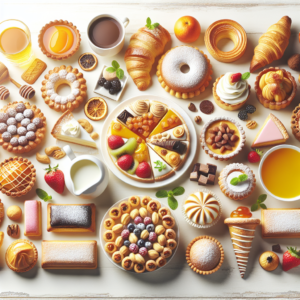
Italy is renowned for its rich culinary heritage, and among its most cherished creations are the dolci tradizionali, or traditional desserts. These sweet treats have been passed down through generations, each with a history as rich and complex as their flavors. From the rolling hills of Tuscany to the sun-drenched coasts of Sicily, every region of Italy boasts its own distinctive dolci, each one a testament to the country’s diverse cultural tapestry. This article will delve into the secrets behind some of Italy’s most beloved traditional desserts, exploring their origins, ingredients, and the unique techniques that make them so special.
The Art and Craft of Italian Pastry
Italian desserts, or “dolci,” are more than just sweet endings to a meal; they are an integral part of Italian culture and tradition. The art of crafting these desserts is steeped in history, with recipes often guarded and handed down through families like precious heirlooms. The key to truly authentic Italian dolci lies in the simplicity and quality of the ingredients, a respect for tradition, and a passion for creating flavors that evoke a sense of place and history.
Simplicity in Ingredients
One of the secrets to authentic Italian dolci is the use of simple, high-quality ingredients. Italian desserts often rely on a few key components: fresh fruits, nuts, honey, and rich dairy products like fresh ricotta or mascarpone. This simplicity allows each ingredient to shine, creating a harmonious balance of flavors. For instance, in a classic Tiramisu, the robust flavor of espresso melds perfectly with the creamy mascarpone, while a hint of cocoa powder adds just the right amount of bitterness.
Regional Variations
Italy’s geographical diversity lends itself to a wide range of regional desserts, each with its own unique ingredients and flavors. In the north, where the climate is cooler, desserts like the buttery Panettone or the rich, nutty Torrone are popular, while the south boasts vibrant, citrus-infused treats like the Sicilian Cannoli or the lemony Delizia al Limone. Understanding these regional variations is key to appreciating the breadth of Italian dolci tradizionali.
Secrets of Classic Italian Desserts
Tiramisu: The Quintessential Italian Dessert
Originating from the Veneto region, Tiramisu has become a symbol of Italian dolci around the world. Its name, meaning “pick me up,” reflects the invigorating properties of its main ingredients: espresso and cocoa. The secret to an authentic Tiramisu lies in the quality of the mascarpone and the espresso-soaked ladyfingers, which should be layered with care to create a dessert that is both light and indulgent. While modern variations exist, purists insist on keeping the recipe simple, allowing the flavors to meld naturally over time.
Cannoli: Sicily’s Sweet Gem
The Cannoli is perhaps the most famous of all Sicilian desserts, known for its crispy shell and creamy ricotta filling. The secret to a perfect Cannoli lies in the dough, which should be rolled thin and fried to a golden crisp, and in the quality of the ricotta, which must be fresh and slightly sweetened. Traditionally, the filling is flavored with a hint of cinnamon or vanilla and studded with candied fruit or chocolate chips. The result is a dessert that is both crunchy and creamy, with a delightful contrast of textures and flavors.
Panna Cotta: A Northern Delight
Panna Cotta, which means “cooked cream,” hails from the Piedmont region of Italy. This silky dessert is made by simmering cream with sugar and vanilla, then setting it with gelatin. The secret to a perfect Panna Cotta is in the balance of flavors and the smooth, creamy texture. It should be firm enough to hold its shape, yet soft enough to melt in the mouth. Often served with a berry coulis or a drizzle of caramel, Panna Cotta is a testament to the elegance of simplicity.
The Influence of History and Culture
Italian dolci tradizionali are not just about taste; they are also a reflection of Italy’s rich history and cultural diversity. Many of these desserts have origins that date back centuries, influenced by the various cultures that have called Italy home. For example, the use of almonds and citrus in many Sicilian desserts can be traced back to Arab influences during the Middle Ages. Similarly, the presence of chocolate in many northern Italian desserts is a nod to the country’s trade links with the Americas.
Celebratory Sweets
Italian desserts are often tied to specific holidays and celebrations, each with its own unique set of traditions. For instance, Panettone and Pandoro are synonymous with Christmas, while Colomba Pasquale is an Easter staple. These desserts are not just enjoyed for their taste but also for the sense of nostalgia and familial bonds they evoke. The making of these festive dolci is often a communal activity, bringing families together in the kitchen to share in the joy of creation.
Modern Takes on Tradition
While tradition is at the heart of Italian dolci, contemporary chefs across Italy are constantly experimenting with new flavors and techniques, breathing new life into classic recipes. From incorporating exotic spices to utilizing modern culinary techniques, these chefs are redefining what it means to create Italian desserts. However, even as they innovate, they remain rooted in the fundamental principles of Italian pastry: quality ingredients, balance of flavors, and a respect for the past.
Creating Your Own Italian Desserts
For those inspired to create their own Italian dolci, the key is to start with authentic recipes and high-quality ingredients. Whether you’re attempting to recreate a classic Tiramisu or experimenting with your own variations of Cannoli, remember that the joy of Italian desserts lies in their ability to evoke a sense of place and time. Take the time to understand the history and cultural significance of each dessert, and don’t be afraid to put your own spin on things.
Essential Tools and Tips
To recreate authentic Italian desserts at home, having the right tools can make all the difference. A good quality espresso machine is essential for making Tiramisu, while a sturdy rolling pin is necessary for shaping Cannoli shells. Additionally, investing in a reliable kitchen scale will ensure precision in measurements, which is crucial in baking. As you embark on your culinary journey, remember to be patient and allow the flavors to develop naturally.
Embracing the Italian Spirit
At its core, the art of making Italian dolci is about embracing the Italian spirit of conviviality and joy. Whether you’re sharing a slice of Panettone with family during the holidays or enjoying a simple Panna Cotta on a summer evening, these desserts are a reminder of the pleasures of life. So take the time to savor each bite, appreciate the craftsmanship that goes into each creation, and celebrate the delicious legacy of Italian dolci tradizionali.
In conclusion, the secrets of authentic Italian dolci tradizionali lie not just in the recipes themselves, but in the stories, traditions, and love that are poured into each creation. By exploring the rich tapestry of Italian desserts, we gain a deeper understanding of the country’s cultural heritage and the timeless appeal of its culinary masterpieces.
#ChatGPT ha collaborato alla creazione di questo articolo.