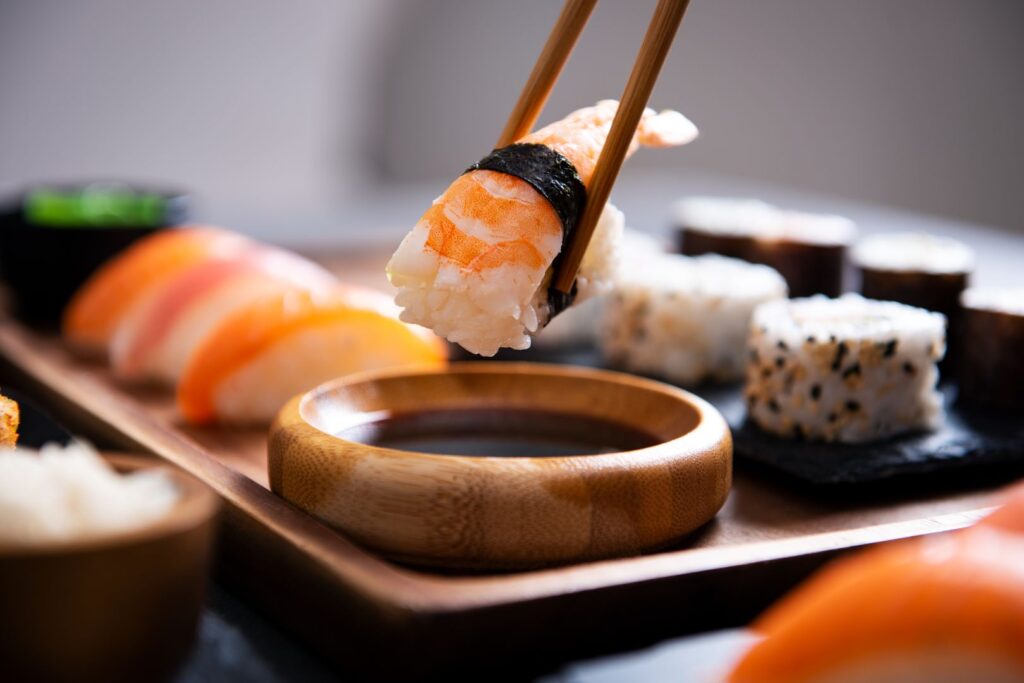
Japanese cuisine is globally renowned for its delicate flavors, fresh ingredients, and artistic presentation. While many are familiar with sushi and ramen, the heart of Japanese culinary art lies in its home cooking. Authentic Japanese home cooking, or “washoku,” is not just a method of preparing food; it’s a philosophy that emphasizes harmony and balance. In this article, we will delve into the secrets of Japanese home cooking, exploring traditional techniques, essential ingredients, and the cultural significance that makes this cuisine so unique.
The Philosophy of Washoku
Washoku, recognized by UNESCO as an Intangible Cultural Heritage, is deeply rooted in Japan’s culture and lifestyle. It is based on the principle of “ichiju-sansai,” which translates to “one soup, three dishes.” This structure ensures a balanced diet, incorporating a variety of nutrients. The dishes typically include a bowl of rice, a soup (usually miso), and three side dishes that feature seasonal vegetables, fish, or meat. This balance reflects the Japanese aesthetic of simplicity and elegance, emphasizing seasonal ingredients and natural flavors.
Essential Ingredients in Japanese Home Cooking
To truly understand Japanese home cooking, one must become familiar with its essential ingredients. These ingredients form the backbone of numerous dishes and are key to achieving authentic flavors.
Rice (Gohan)
Rice is the cornerstone of Japanese meals. Short-grain rice, known for its sticky texture, is the preferred choice. Proper preparation involves washing the rice until the water runs clear, soaking it, and using a rice cooker or pot to achieve the perfect consistency.
Soy Sauce (Shoyu)
Soy sauce is a fundamental seasoning in Japanese cuisine, used to enhance flavors. There are several varieties, including light and dark soy sauce. The choice depends on the dish, with lighter sauces used for more delicate flavors.
Miso
Miso, a fermented soybean paste, is a versatile ingredient used in soups, marinades, and dressings. Each region in Japan has its own style of miso, ranging from sweet and mild to robust and salty.
Dashi
Dashi is a traditional Japanese stock that forms the base of many dishes. Made from kombu (kelp) and bonito flakes, it imparts a unique umami flavor that is quintessential to Japanese cooking.
Mirin
Mirin, a sweet rice wine, is used to add sweetness and depth to dishes. It balances the salty flavors of soy sauce and is an essential component in sauces and glazes.
Traditional Cooking Techniques
Mastering Japanese home cooking requires understanding its traditional cooking techniques. These methods are designed to highlight the natural flavors of ingredients while maintaining their nutritional value.
Nimono (Simmering)
Nimono involves simmering ingredients in a seasoned broth, usually made with dashi, soy sauce, and mirin. This technique is ideal for root vegetables and fish, allowing flavors to meld together.
Yakimono (Grilling)
Grilling is a popular method in Japanese cooking, known for its simplicity. Fish, meat, and vegetables are often marinated before being grilled over an open flame or broiled, creating a caramelized exterior with a tender interior.
Aemono (Dressing)
Aemono refers to dishes that are mixed with a dressing. This technique is often used for salads and cold dishes, utilizing dressings made from ingredients like miso, sesame, and vinegar.
Agemono (Deep-Frying)
Japanese deep-frying, or agemono, is characterized by its lightness. Tempura is a prime example, where ingredients are coated in a thin batter and fried to a crisp, maintaining their delicate flavors.
Seasonal and Regional Variations
Japanese home cooking is deeply tied to the seasons, with each season offering a distinct palette of ingredients. Spring brings tender greens and bamboo shoots, while summer offers eggplants and cucumbers. Autumn is the season for mushrooms and chestnuts, and winter showcases root vegetables and hearty stews. Each region in Japan also has its own specialties, influenced by local produce and cultural history.
Kanto vs. Kansai
The Kanto region, including Tokyo, is known for its bold flavors, often using darker soy sauce. In contrast, the Kansai region, home to cities like Osaka and Kyoto, prefers lighter, more subtle flavors, often incorporating clear dashi broth.
Okinawan Cuisine
Okinawan cuisine is distinct from mainland Japan, with influences from China and Southeast Asia. It features ingredients like goya (bitter melon) and dishes like “chanpuru,” a stir-fry that reflects the island’s diverse cultural heritage.
The Role of Presentation
In Japanese home cooking, presentation is as important as taste. Dishes are often arranged with an eye for color, texture, and balance, reflecting the Japanese aesthetic of “wabi-sabi,” which appreciates beauty in simplicity and imperfection. The choice of tableware also plays a crucial role, with dishes often served in handmade ceramics that enhance the dining experience.
Cooking with Heart: The Spirit of Omotenashi
Japanese home cooking is not just about preparing food; it’s an expression of “omotenashi,” the spirit of selfless hospitality. Cooking for others is seen as an act of love and care, and each dish is prepared with meticulous attention to detail, reflecting the cook’s respect for the ingredients and the people they are serving.
Conclusion: Embracing the Art of Japanese Home Cooking
Discovering authentic Japanese home cooking is a journey into a world where food is not merely sustenance but an art form that nourishes both body and soul. By embracing the principles of washoku, utilizing traditional techniques, and appreciating the seasonal and regional diversity, one can experience the true essence of Japanese cuisine. Whether you’re a seasoned cook or a culinary enthusiast, the secrets of Japanese home cooking offer endless opportunities for exploration and enjoyment. As you embark on this culinary adventure, remember that each dish is a story, a connection to Japan’s rich cultural heritage, and a celebration of life itself.