Introduction
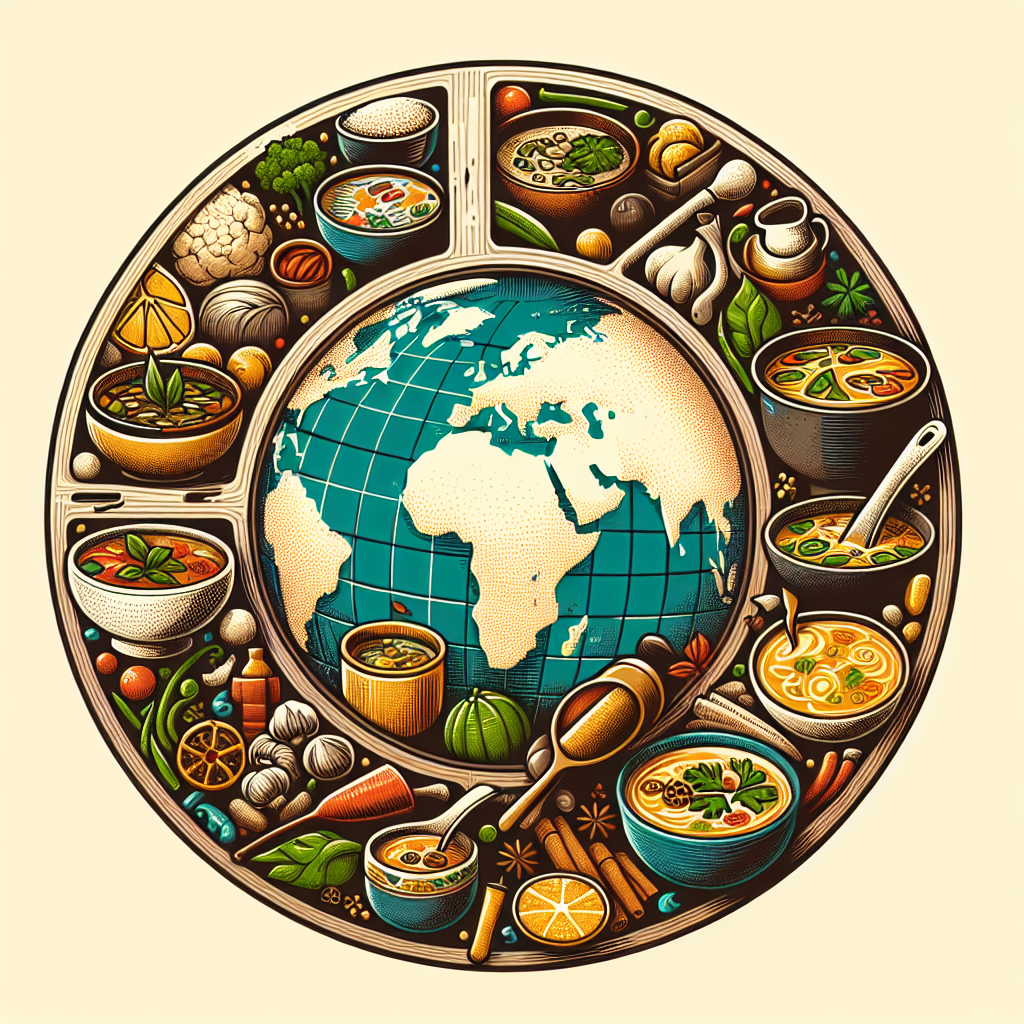
Soup is a universal comfort food, a warm embrace in a bowl that transcends cultures and borders. From the bustling streets of Bangkok to the cozy kitchens of Tuscany, soup has found its place in the culinary fabric of nations worldwide. This article embarks on a culinary journey to explore global soup recipes, celebrating their rich history and diverse flavors that have captivated taste buds across generations.
The Cultural Significance of Soup
Soup is more than just a dish; it is a reflection of cultural heritage and local ingredients. In many societies, soup serves as a symbol of hospitality and communal dining. It is often the centerpiece of family gatherings, festivals, and religious celebrations, connecting people through shared experiences and traditions.
A Brief History of Soup
The history of soup dates back to ancient times, with evidence suggesting that early humans boiled ingredients in water to create nourishing broths. As civilizations evolved, so did soup, incorporating new ingredients and cooking techniques. From the hearty stews of the Middle Ages to the refined consommés of French cuisine, soup has continuously adapted to suit the tastes and resources of its time.
Exploring Global Soup Recipes
Our culinary journey begins with a tour of some of the world’s most beloved soup recipes. Each soup tells a story, offering a glimpse into the culture and traditions from which it originates.
Tom Yum (Thailand)
Tom Yum soup is a vibrant and aromatic dish that embodies the flavors of Thailand. Known for its bold combination of lemongrass, kaffir lime leaves, galangal, and chilies, Tom Yum delivers a perfect balance of sour, spicy, and savory notes. Traditionally prepared with shrimp, it is often enjoyed as an appetizer or main course, bringing a taste of Thailand to any table.
Borscht (Ukraine/Russia)
Borscht is a beloved soup in both Ukrainian and Russian cuisine, recognized for its deep red color derived from beets. This hearty soup often includes cabbage, potatoes, and meat, offering a comforting and nutritious meal. Its unique sweet and sour flavor profile is achieved through the addition of vinegar or lemon juice, making it a favorite during cold winters.
Miso Soup (Japan)
A staple in Japanese cuisine, miso soup is a simple yet profound dish with deep cultural roots. Made from a base of dashi (a stock made from dried fish and kelp) and enriched with miso paste, this soup is often garnished with tofu, seaweed, and green onions. Miso soup is cherished for its umami-rich taste and is typically served as a side dish in Japanese meals.
Minestrone (Italy)
Minestrone is a classic Italian soup known for its rustic charm and versatility. It features a medley of seasonal vegetables, beans, and pasta, often simmered in a savory tomato broth. With variations across regions, minestrone embodies the essence of Italian home cooking, offering warmth and sustenance to those who savor it.
Harira (Morocco)
Harira is a rich and flavorful Moroccan soup traditionally enjoyed during Ramadan to break the fast. It combines tomatoes, lentils, chickpeas, and a fragrant blend of spices such as cinnamon, ginger, and saffron. Harira is often finished with fresh herbs and a squeeze of lemon, providing a burst of freshness with every spoonful.
The Art of Soup Making
The beauty of soup lies in its adaptability and the creativity it allows. While each global soup recipe has its own set of ingredients and techniques, the art of soup making involves a few universal principles that can elevate any dish.
Building Flavor
The foundation of any great soup is its base. Whether it’s a rich stock made from bones or a simple vegetable broth, the quality of the base sets the stage for the flavors to come. Aromatics like onions, garlic, and herbs are often sautéed to release their essence, building a complex and inviting aroma.
Balancing Ingredients
A well-balanced soup achieves harmony between its ingredients, ensuring that no single element overpowers the others. This balance is achieved through careful seasoning and proportioning of components, creating a symphony of flavors that dance on the palate.
Embracing Seasonal Produce
Seasonal produce is the cornerstone of many traditional soup recipes. By using fresh, locally sourced ingredients, home cooks can capture the essence of the season and infuse their soups with natural sweetness and vibrant colors.
Savoring the Experience
Soup is not just a meal; it’s an experience. Whether it’s the anticipation of the first simmer, the aroma that fills the kitchen, or the first comforting sip, soup has a way of engaging the senses and warming the soul. As we explore global soup recipes, we are reminded of the profound connections that food can create, transcending language and cultural barriers.
Sharing and Celebrating
In many cultures, soup is a dish meant to be shared. It brings people together, fostering a sense of community and celebration. Whether it’s a family gathering, a festive occasion, or a simple weeknight dinner, soup has the power to unite people over a shared love of good food.
Preserving Traditions
As we continue to explore global soup recipes, we play a role in preserving culinary traditions for future generations. By learning and appreciating the stories and techniques behind each recipe, we honor the heritage and creativity of those who came before us, ensuring that these flavors endure.
Conclusion
The journey through global soup recipes is one of discovery and delight. Each bowl tells a tale of cultural richness and culinary artistry, inviting us to savor the world one spoonful at a time. Whether you’re drawn to the spicy allure of Tom Yum or the comforting embrace of minestrone, there’s a world of flavors waiting to be explored. So, grab a spoon and embark on your own culinary adventure, celebrating the universal language of soup.
#ChatGPT ha collaborato alla creazione di questo articolo.