Introduction
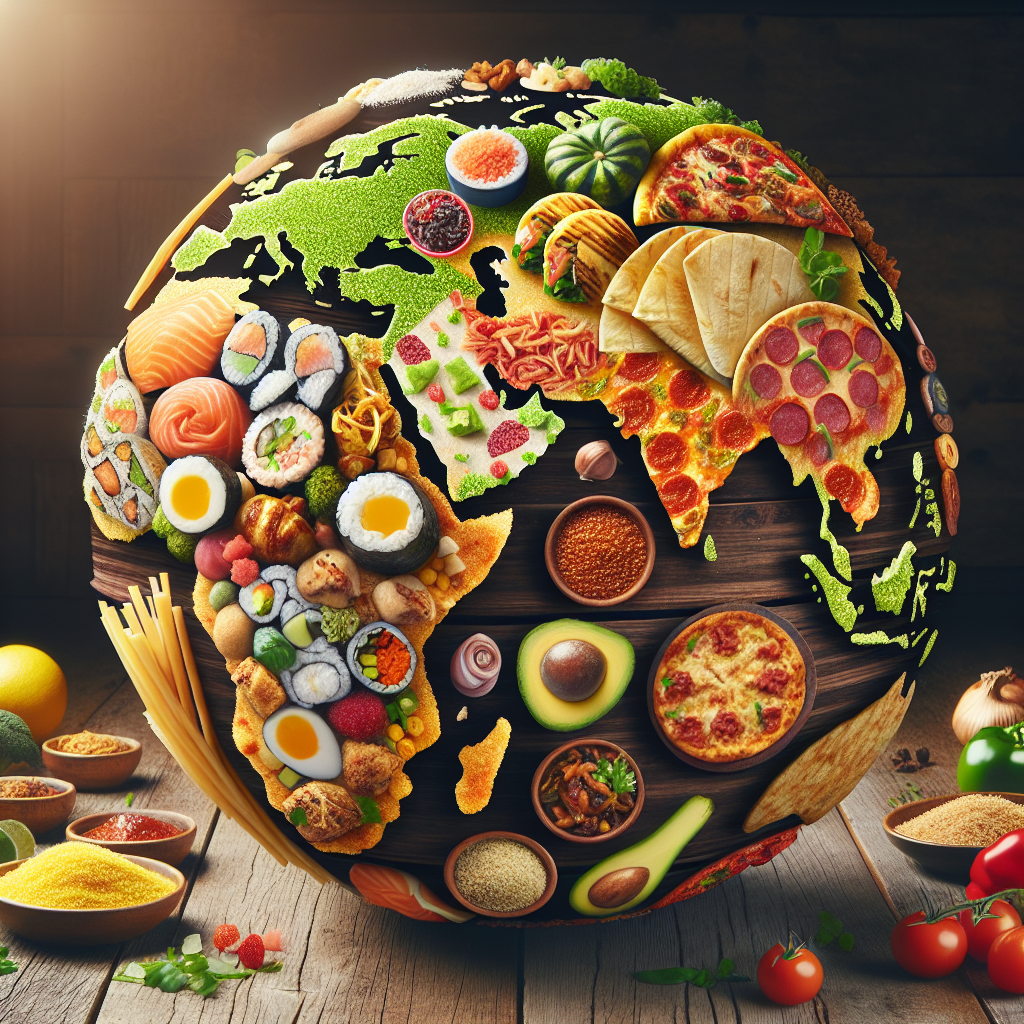
Embarking on a culinary journey through the diverse flavors of the world is akin to taking a globe-trotting adventure without leaving the confines of your kitchen. The beauty of global cuisine lies not only in its delicious diversity but also in its ability to tell stories of tradition, culture, and history through the universal language of food. Each region, country, and even city offers a unique palette of flavors, influenced by its geography, climate, and cultural exchanges. This article invites you to explore authentic global flavors, celebrating the vibrant culinary tapestries that define our world.
The Spice Routes: A Historical Foundation
The global exchange of flavors can be traced back to the ancient spice routes that connected the East and West. These trade pathways were instrumental in introducing exotic spices such as cinnamon, cardamom, and black pepper to Europe, forever altering its culinary landscape. The spice routes were not mere trading paths but cultural conduits that facilitated the exchange of culinary traditions and techniques across continents. The influence of these spices can still be seen today in the rich, aromatic dishes of Mediterranean and Middle Eastern cuisines.
Asia: A Symphony of Flavors
India: The Art of Spice Blending
Indian cuisine is renowned for its intricate use of spices, creating a symphony of flavors that dance on the palate. From the fiery heat of a South Indian curry to the subtle, aromatic spices of a North Indian biryani, the diversity within Indian cuisine is vast. Each region has its own unique spice blends, or masalas, which are often passed down through generations. The art of balancing spices to create depth and complexity is a testament to the culinary prowess of Indian cooks.
Japan: Umami and the Elegance of Simplicity
Japanese cuisine is celebrated for its emphasis on fresh, high-quality ingredients and its ability to highlight the natural flavors of food. The concept of umami, or the fifth taste, is central to Japanese cooking, adding a rich, savory depth to dishes. Sushi, sashimi, and tempura are perfect examples of the elegance and simplicity that define Japanese cuisine, where each ingredient is meticulously prepared to enhance its intrinsic flavors.
Europe: A Culinary Tapestry
Italy: Passion and Tradition
Italian cuisine is a celebration of passion and tradition, where family recipes are cherished and ingredients are revered. From the sun-kissed tomatoes of the south to the creamy risottos of the north, each region in Italy boasts its own culinary identity. The simplicity of pasta, the richness of olive oil, and the bold flavors of aged cheeses are cornerstones of Italian cooking, offering a comforting and familiar allure that resonates with people worldwide.
France: Haute Cuisine and Culinary Innovation
France is often regarded as the epicenter of haute cuisine, where culinary innovation and artistry are celebrated. French cooking techniques, such as sous-vide and flambé, have influenced chefs across the globe. The meticulous attention to detail and the pursuit of perfection are hallmarks of French cuisine, evident in classic dishes like coq au vin and bouillabaisse. France’s culinary traditions have shaped global dining experiences, contributing to the evolution of modern gastronomy.
Africa: A Melting Pot of Flavors
North Africa: The Spice Market
North African cuisine is a vibrant blend of Berber, Arab, and Mediterranean influences, characterized by its bold use of spices and herbs. The markets of Morocco, Tunisia, and Algeria are filled with the intoxicating aromas of cumin, coriander, and saffron. Tagines and couscous are staples of North African cooking, offering a delightful mix of sweet, savory, and spicy flavors that reflect the region’s rich cultural heritage.
West Africa: Hearty and Flavorful
West African cuisine is hearty and flavorful, with a reliance on ingredients such as yams, plantains, and peanuts. Dishes like jollof rice and groundnut stew are celebrated for their bold, comforting flavors. The communal nature of West African dining, where food is shared and enjoyed together, speaks to the deep sense of community and hospitality that defines the region.
The Americas: A Fusion of Cultures
Mexico: A Fiesta of Flavors
Mexican cuisine is a vibrant fiesta of flavors, characterized by its use of chili peppers, corn, and beans. The interplay of spicy, tangy, and earthy flavors creates a dynamic culinary experience. Dishes like tacos, enchiladas, and mole are beloved worldwide, showcasing the bold and lively spirit of Mexican cooking. The influence of indigenous, Spanish, and African culinary traditions is evident in the diverse array of flavors and techniques.
Peru: A Culinary Renaissance
Peru has emerged as a culinary powerhouse, celebrated for its innovative fusion of indigenous ingredients and global influences. The country’s diverse geography, from the Andes mountains to the Pacific coast, provides an abundance of fresh produce and seafood. Dishes like ceviche and lomo saltado highlight the harmonious blend of traditional and modern flavors, capturing the essence of Peru’s culinary renaissance.
Conclusion: A World of Flavors
Exploring authentic global flavors is a journey that transcends borders and connects us to the rich tapestry of human culture and history. Each dish tells a story, offering a glimpse into the traditions, innovations, and shared experiences that unite us all. Whether you’re savoring the delicate flavors of Japanese sushi, the bold spices of Indian curry, or the comforting warmth of Italian pasta, the world of flavors invites you to celebrate diversity and embrace the universal language of food. So, embark on your culinary journey and discover the authentic flavors that make our world a deliciously vibrant place.
#ChatGPT ha collaborato alla creazione di questo articolo.