Introduction
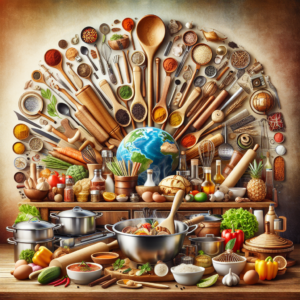
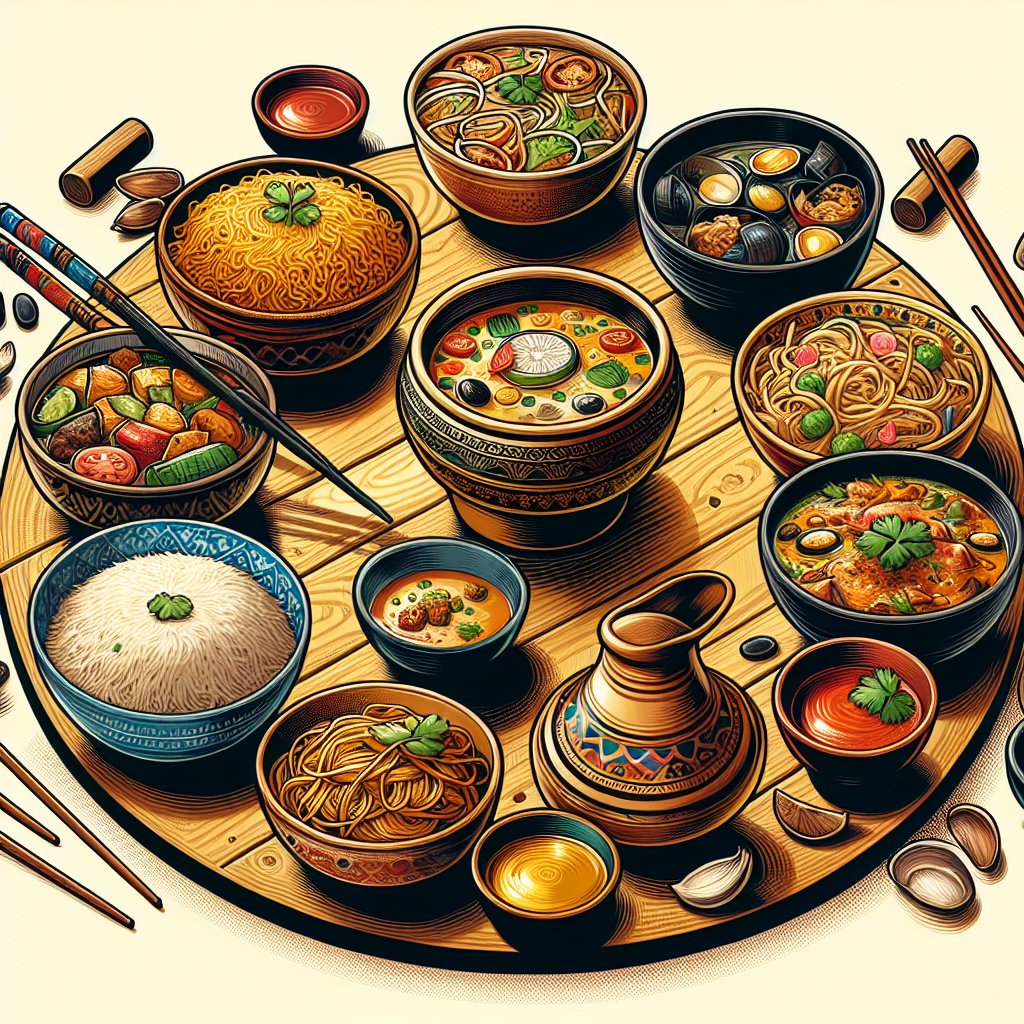
In a world where culinary boundaries are constantly being pushed, there remains a deep-seated appreciation for traditional recipes that have stood the test of time. These authentic dishes not only offer a taste of history but also a glimpse into the culture and heritage of the people who created them. From the bustling streets of Bangkok to the serene hills of Tuscany, traditional recipes are a testament to the diversity and richness of global cuisine. This article delves into the significance of these culinary treasures and explores some iconic dishes from around the world.
The Importance of Preserving Traditional Recipes
Traditional recipes are more than just a list of ingredients and cooking instructions. They are reflections of a community’s way of life, its history, and its values. These recipes are often passed down through generations, each iteration preserving the essence of the original while adapting to the changing times. In an era dominated by fast food and fusion cuisine, the preservation of traditional recipes is crucial for maintaining cultural identity and fostering a sense of belonging.
Moreover, traditional recipes offer a sustainable approach to cooking. They often utilize local ingredients, minimizing the carbon footprint associated with transporting exotic goods across the globe. By embracing these time-honored culinary practices, we not only honor our ancestors but also contribute to a more sustainable future.
Asian Culinary Treasures
Pad Thai – Thailand
One of Thailand’s most beloved dishes, Pad Thai, is a harmonious blend of flavors and textures. This stir-fried noodle dish is a perfect example of the country’s ability to balance sweet, sour, salty, and spicy elements. Traditionally, Pad Thai is made with rice noodles, eggs, tofu, shrimp, or chicken, and is garnished with crushed peanuts and fresh lime wedges. The dish’s origins can be traced back to the mid-20th century when the Thai government promoted it as a national dish to inspire a sense of unity and nationalism.
Sushi – Japan
Sushi, perhaps one of the most recognizable Japanese dishes worldwide, is a testament to the country’s dedication to precision and presentation. While sushi comes in various forms, the traditional nigiri sushi consists of a small ball of vinegared rice topped with a slice of raw fish. The art of making sushi involves selecting the freshest fish and mastering the delicate balance of flavors. Sushi chefs train for years to perfect their craft, ensuring that each piece is a work of art.
Middle Eastern Delicacies
Tabbouleh – Lebanon
Tabbouleh is a vibrant salad that embodies the fresh and healthy essence of Middle Eastern cuisine. Originating in Lebanon, this dish is made with finely chopped parsley, mint, tomatoes, and onions, tossed with bulgur wheat and a dressing of olive oil and lemon juice. Tabbouleh is often served as part of a mezze platter, a collection of small dishes meant to be shared and enjoyed with family and friends.
Shakshuka – North Africa
Though its exact origins are debated, Shakshuka is a popular dish across North Africa and the Middle East. This hearty dish consists of poached eggs nestled in a spicy tomato and pepper sauce, seasoned with cumin and paprika. Shakshuka is traditionally served with warm pita bread, making it a comforting and satisfying meal. Its popularity has spread beyond its regional origins, becoming a beloved brunch option in many parts of the world.
European Classics
Pasta Carbonara – Italy
Hailing from the Lazio region of Italy, Pasta Carbonara is a simple yet indulgent dish that has captured the hearts of food lovers worldwide. Traditional Carbonara is made with just a few key ingredients: eggs, Pecorino Romano cheese, guanciale (cured pork cheek), and black pepper. The creamy sauce is created by mixing the raw eggs with hot pasta, resulting in a rich and silky texture. This dish is a testament to the Italian philosophy of using high-quality ingredients to create something extraordinary.
Paella – Spain
Originating from the Valencia region, Paella is a vibrant rice dish that showcases the flavors of Spain. Traditionally cooked over an open flame in a wide, shallow pan, Paella is made with saffron-infused rice, chicken, rabbit, and a variety of vegetables. Seafood variations are also popular, featuring mussels, clams, and shrimp. Paella is often enjoyed during festive gatherings, reflecting the Spanish love for communal dining and celebration.
African Culinary Gems
Jollof Rice – West Africa
Jollof Rice is a beloved dish across West Africa, with each country boasting its own unique version. This one-pot dish is typically made with rice, tomatoes, onions, and a blend of spices, resulting in a flavorful and aromatic meal. Jollof Rice is often served at celebrations and family gatherings, symbolizing unity and togetherness.
Bunny Chow – South Africa
Bunny Chow, a popular street food in South Africa, is a testament to the country’s diverse cultural influences. This hearty dish consists of a hollowed-out loaf of bread filled with a spicy curry, traditionally made with lamb, chicken, or vegetables. Bunny Chow originated in the Indian community of Durban and has since become a beloved comfort food for people of all backgrounds.
Latin American Flavors
Feijoada – Brazil
Feijoada is a rich and hearty stew that is considered Brazil’s national dish. Made with black beans, pork, and beef, Feijoada is slow-cooked to perfection, allowing the flavors to meld together. This dish is typically served with rice, collard greens, and orange slices, adding a refreshing contrast to the stew’s richness. Feijoada is often enjoyed during weekend gatherings, providing an opportunity for family and friends to come together and savor the flavors of Brazil.
Ceviche – Peru
Ceviche is a refreshing dish that highlights the fresh seafood and vibrant flavors of Peru. Traditionally made with raw fish marinated in lime juice, onions, and cilantro, Ceviche is a perfect balance of acidity and spice. The dish is often garnished with corn and sweet potatoes, adding texture and sweetness. Ceviche’s popularity has spread beyond Peru, becoming a beloved dish in many coastal regions around the world.
Conclusion
Exploring traditional recipes from around the world offers a unique opportunity to connect with diverse cultures and histories. Each dish tells a story, reflecting the values, traditions, and creativity of the people who created it. By preserving and celebrating these culinary treasures, we not only honor our past but also enrich our present and future. Whether you’re savoring a bowl of Pad Thai in Bangkok or enjoying a plate of Feijoada in Rio de Janeiro, traditional recipes provide a delicious reminder of the world’s rich and varied tapestry.
#ChatGPT ha collaborato alla creazione di questo articolo.