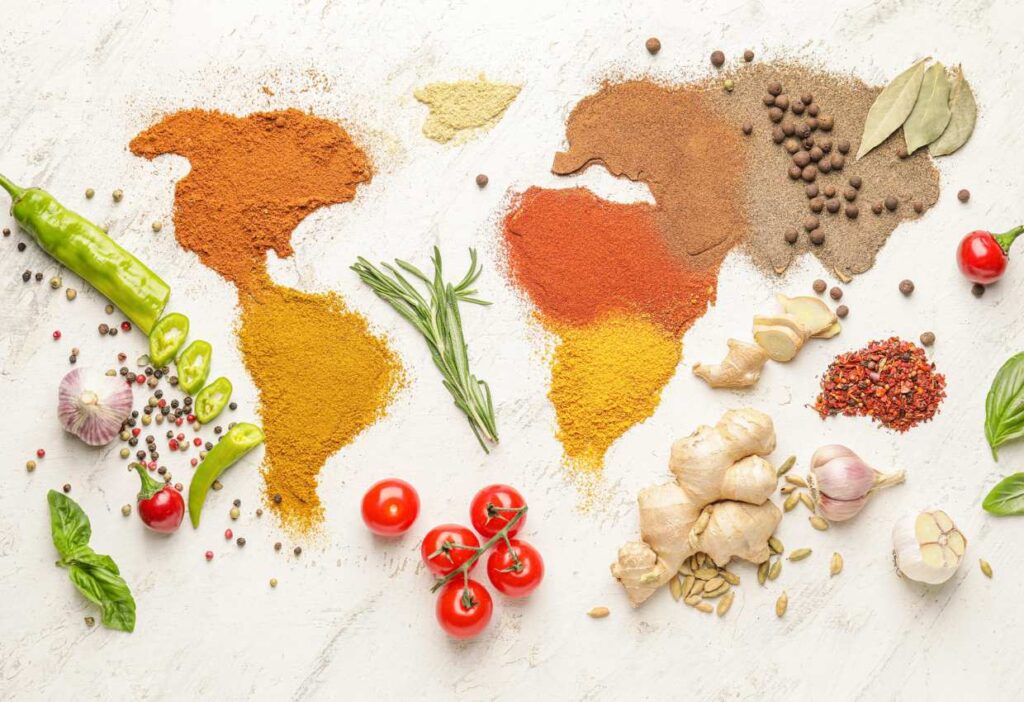
The world of culinary arts is a rich tapestry woven with diverse flavors, ingredients, and traditions. As the global palate becomes more adventurous, the demand for exotic flavors continues to rise. From the fiery spices of Southeast Asia to the earthy undertones of Middle Eastern fare, the exploration of global cuisine offers a tantalizing journey into the heart of culture and tradition. In this article, we delve into the top flavor trends that are capturing the imagination of food enthusiasts around the world.
The Rise of Regional Cuisines
As culinary explorers seek authenticity, there is a growing interest in regional cuisines that remain true to their roots. These cuisines offer a glimpse into the unique ingredients and cooking methods native to specific areas, providing a more intimate connection to the culture.
Peruvian Cuisine: A Fusion of Cultures
Peruvian cuisine has emerged as a melting pot of flavors, blending indigenous ingredients with influences from Spanish, African, Chinese, and Japanese culinary traditions. Dishes like ceviche, made with fresh seafood marinated in lime juice, and lomo saltado, a beef stir-fry with Asian flair, highlight the country’s diverse culinary landscape. The use of native ingredients such as quinoa, aji peppers, and potatoes adds depth and complexity to these dishes.
Nordic Cuisine: Embracing Purity and Simplicity
In contrast, Nordic cuisine emphasizes purity, simplicity, and the use of locally sourced ingredients. Characterized by its minimalistic approach, this cuisine showcases the natural flavors of the ingredients. Fermentation, smoking, and curing are traditional techniques that enhance the taste profiles. Dishes like gravlax, cured salmon with dill, and smørrebrød, open-faced sandwiches, exemplify this trend.
Spice and Heat: A Global Obsession
Spices have long been a fundamental component of global cuisine, adding depth, heat, and complexity to dishes. As consumers seek bold flavors, the use of spices is becoming more prominent in culinary creations worldwide.
Sichuan Pepper: The Tingle of China
Sichuan cuisine is known for its bold flavors and liberal use of spices, particularly the Sichuan pepper. This unique spice creates a numbing and tingling sensation on the palate, enhancing the heat of chili peppers. Dishes like mapo tofu and kung pao chicken are beloved for their fiery intensity and aromatic complexity.
Harissa: North Africa’s Fiery Condiment
Originating in North Africa, harissa is a spicy paste made from chili peppers, garlic, and various spices. This versatile condiment adds heat and depth to a range of dishes, from stews and tagines to grilled meats and vegetables. Its popularity has spread beyond its regional roots, becoming a staple in kitchens worldwide.
Fermentation: The Art of Transformation
Fermentation is an ancient culinary technique experiencing a renaissance in modern cuisine. By harnessing the power of microorganisms, chefs are able to transform simple ingredients into complex, umami-rich creations.
Korean Kimchi: A Flavorful Staple
Kimchi, a traditional Korean dish of fermented vegetables, is a prime example of fermentation’s transformative power. Made with napa cabbage, radishes, and an array of spices, kimchi is celebrated for its tangy, spicy flavor and probiotic benefits. It serves as both a side dish and a flavor enhancer in a multitude of Korean dishes.
Japanese Miso: Umami in a Bowl
Miso, a fermented soybean paste, is a cornerstone of Japanese cuisine. Its deep umami flavor enriches soups, sauces, and marinades, offering a complex taste profile that enhances the natural flavors of other ingredients. As an ingredient that embodies the art of fermentation, miso continues to captivate chefs and food enthusiasts alike.
Plant-Based Innovations: A New Frontier
The global shift towards plant-based diets has spurred innovation in culinary circles, leading to the creation of dishes that celebrate the flavors of vegetables, grains, and legumes.
Indian Dal: A Nutrient-Rich Classic
Dal, a staple of Indian cuisine, showcases the versatility of lentils and legumes. With its rich, hearty flavor, dal is often spiced with turmeric, cumin, and coriander, creating a comforting and satisfying dish. This plant-based classic is not only a source of protein but also a canvas for creative interpretations.
Middle Eastern Falafel: A Crispy Delight
Falafel, deep-fried balls made from ground chickpeas or fava beans, is a beloved street food across the Middle East. Often seasoned with garlic, cumin, and coriander, falafel offers a flavorful, crispy exterior with a tender, aromatic interior. Served in pita bread or as part of a mezze platter, it epitomizes the potential of plant-based ingredients.
Sweet Indulgences: A World of Desserts
Global desserts offer a delightful exploration of flavors and textures, often incorporating unique ingredients and techniques that reflect the culinary heritage of their origin.
French Macarons: Elegance in Every Bite
French macarons, with their delicate shells and creamy fillings, are a testament to the artistry of pastry making. These colorful confections come in a myriad of flavors, from classic vanilla and chocolate to exotic combinations like matcha and yuzu. The meticulous preparation and presentation make macarons a symbol of indulgence and sophistication.
Turkish Baklava: Layers of Sweetness
Baklava, a sweet pastry made of layers of phyllo dough filled with nuts and honey, is a staple of Turkish cuisine. This rich, syrupy dessert is celebrated for its intricate layers and the balance of sweet and nutty flavors. Each bite offers a symphony of textures, making it a perennial favorite in the realm of global sweets.
Conclusion: A Flavorful Odyssey
The exploration of exotic global cuisines is a journey that transcends borders and connects us to diverse cultures and traditions. As we embrace new flavors and culinary techniques, we not only expand our palates but also gain a deeper appreciation for the artistry and heritage behind each dish. From the fiery heat of Sichuan pepper to the creamy elegance of French macarons, the world of exotic flavors offers endless possibilities for culinary discovery and delight.
#ChatGPT assisted in the creation of this article.