Introduction
In today’s fast-paced world, maintaining a healthy and balanced lifestyle can be challenging. However, adopting a clean lifestyle through smart cooking choices can help you achieve optimal health and wellness. Clean cooking isn’t about deprivation or severe restrictions; rather, it’s about making thoughtful decisions that promote a nutritious, balanced diet. Here, we explore easy tips to master clean lifestyle cooking, ensuring you enjoy delicious meals while nurturing your body.
Understanding Clean Eating
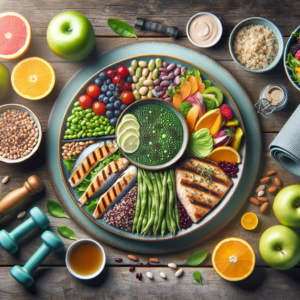
Clean eating revolves around consuming whole, natural foods and minimizing processed ingredients. It emphasizes fresh fruits, vegetables, lean proteins, whole grains, and healthy fats while avoiding artificial additives, preservatives, and refined sugars. This approach not only enhances physical health but also contributes to mental clarity and emotional well-being.
Essential Tips for Clean Cooking
1. Plan Your Meals
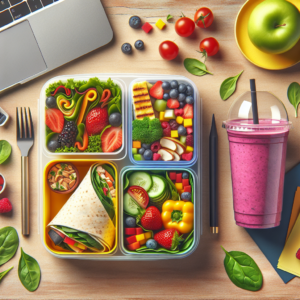
Meal planning is a cornerstone of clean cooking. By planning your meals, you can ensure a balanced diet rich in nutrients. Start by dedicating a day to plan your weekly menu, focusing on a variety of ingredients. Incorporate seasonal produce, lean proteins, and whole grains. Having a plan reduces the temptation of resorting to unhealthy convenience foods.
2. Stock a Clean Pantry
A well-stocked pantry is crucial for clean cooking. Begin by decluttering your pantry, removing items with artificial additives and excessive sugar. Replace them with nutritious staples like quinoa, brown rice, oats, nuts, seeds, and dried legumes. These ingredients form the foundation of countless clean recipes.
3. Embrace Fresh Ingredients
Fresh ingredients are the heart of clean cooking. Aim to fill your plate with colorful fruits and vegetables to benefit from a wide range of vitamins and minerals. Visit local farmers’ markets for the freshest produce, supporting local agriculture while enhancing the flavor and nutritional value of your meals.
4. Cook from Scratch
One of the simplest ways to ensure clean eating is to prepare meals from scratch. This allows you to control the ingredients and avoid hidden sugars and unhealthy fats found in processed foods. Start with simple recipes and gradually explore more complex dishes as your confidence grows.
5. Choose Healthy Cooking Methods
Opt for cooking methods that preserve nutrients and enhance flavor without adding unnecessary fats. Steaming, grilling, roasting, and sautéing with minimal oil are excellent choices. Avoid deep-frying and excessive use of butter or margarine. Experiment with herbs and spices to add depth and complexity to your dishes without relying on salt or sugar.
Mastering Flavor with Clean Ingredients
1. Use Natural Sweeteners
Refined sugars can sabotage your clean eating efforts. Instead, use natural sweeteners like honey, maple syrup, or stevia in moderation. These alternatives offer sweetness without the harmful effects of refined sugar, allowing you to enjoy desserts and snacks guilt-free.
2. Incorporate Healthy Fats
Not all fats are detrimental to health. Healthy fats, such as those found in avocados, nuts, and olive oil, are essential for brain function and hormone production. Use these fats in moderation to enhance flavor and promote satiety in your meals.
3. Experiment with Herbs and Spices
Herbs and spices are invaluable in clean cooking, adding flavor and complexity without the need for excessive salt or sugar. Experiment with a variety of herbs and spices, such as basil, cilantro, turmeric, and cumin, to elevate your dishes and explore new culinary horizons.
Mindful Eating for a Balanced Lifestyle
1. Practice Portion Control
Even the healthiest foods can lead to weight gain if consumed in excessive quantities. Practicing portion control is essential for maintaining a balanced diet. Use smaller plates to help regulate portion sizes and listen to your body’s hunger cues to avoid overeating.
2. Eat Mindfully
Mindful eating involves being present and fully engaged during meals. Eliminate distractions like television or smartphones and focus on the flavors, textures, and aromas of your food. Eating slowly and savoring each bite not only enhances digestion but also fosters a deeper appreciation for your meals.
Incorporating Clean Cooking into Daily Life
1. Start Small
Transitioning to a clean lifestyle doesn’t have to be overwhelming. Start with small changes, such as swapping refined grains for whole grains or incorporating an extra serving of vegetables into your meals. Gradually build on these changes to create sustainable habits.
2. Get Creative with Leftovers
Waste reduction is a key aspect of clean living. Embrace creativity with leftovers, transforming them into new and exciting dishes. For example, use leftover roasted vegetables in a frittata or repurpose cooked grains for a hearty salad. This approach minimizes waste and stretches your grocery budget.
3. Educate Yourself
Knowledge is power when it comes to clean cooking. Take time to learn about nutrition and the benefits of different foods. Educating yourself empowers you to make informed decisions that promote a healthy lifestyle. Explore cookbooks, online resources, or even take a cooking class to broaden your culinary skills.
Conclusion
Mastering clean lifestyle cooking is a journey, not a destination. It’s about making conscious choices that support your health and well-being without sacrificing flavor or enjoyment. By planning your meals, embracing fresh ingredients, and experimenting with new flavors, you can create a sustainable and fulfilling clean eating routine. Remember, the goal is balance and nourishment, allowing you to thrive in both body and mind. Start today with these easy tips, and experience the transformative power of clean cooking in your life.
#ChatGPT assisted in the creation of this article.