Introduction
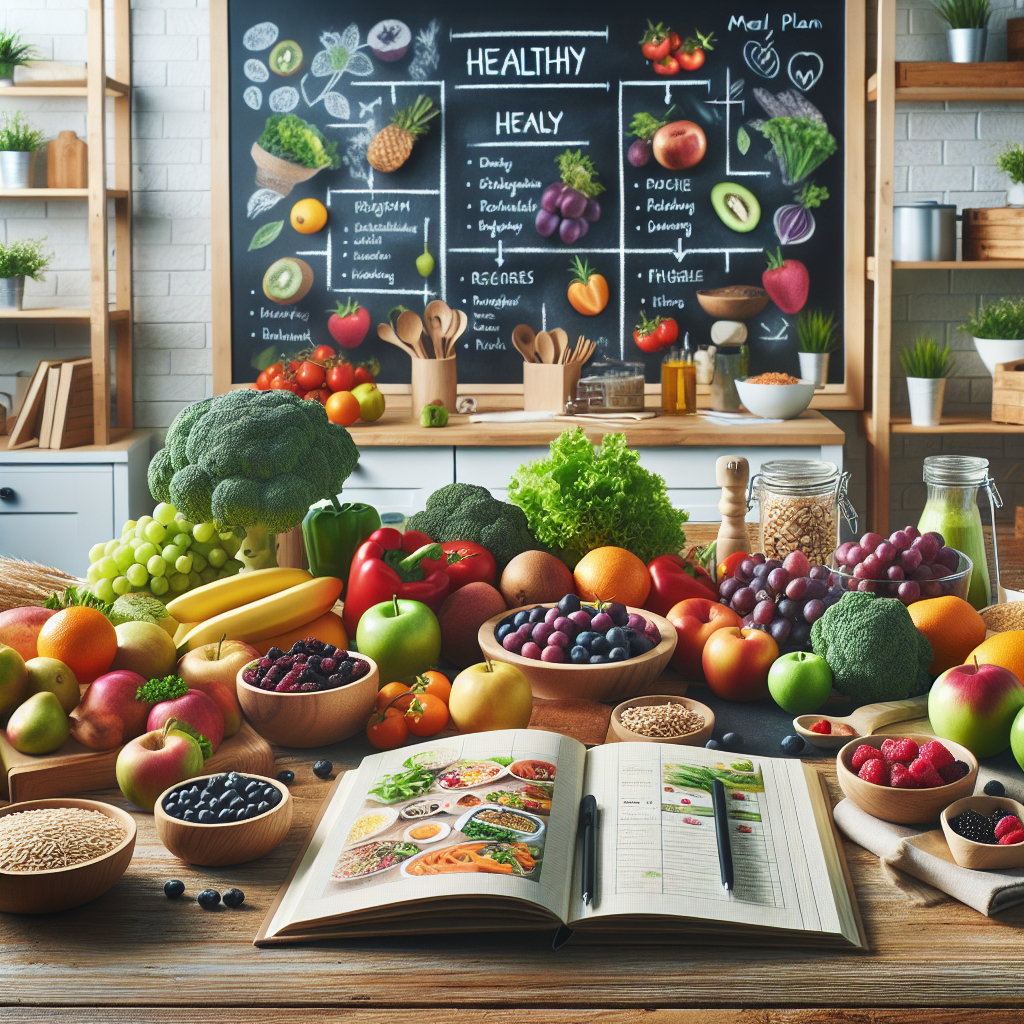
In today’s fast-paced world, maintaining optimal wellness can often feel like a daunting task. With endless diet trends, conflicting nutrition advice, and busy schedules, many people find it challenging to consistently make healthy food choices. However, mastering healthy meal planning can be a powerful tool in your wellness arsenal, helping you to achieve and maintain a balanced diet that supports both your physical and mental well-being.
Understanding the Importance of Meal Planning
Meal planning is more than just deciding what to eat for the week; it is a strategic approach to nutrition that can have lasting benefits. By planning your meals in advance, you can ensure a balanced intake of essential nutrients, manage portion sizes, and reduce the likelihood of resorting to unhealthy convenience foods. Additionally, meal planning can save you time and money, reduce food waste, and help you develop a sustainable eating routine.
Key Components of a Healthy Meal Plan
Balance and Variety
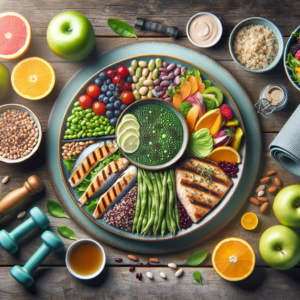
A healthy meal plan should incorporate a variety of foods from all food groups to ensure a broad spectrum of nutrients. Aim to include fruits, vegetables, whole grains, lean proteins, and healthy fats in your meals. This balance not only provides the necessary vitamins and minerals but also adds flavor and texture to your dishes, making them more enjoyable.
Portion Control
Understanding portion sizes is crucial for maintaining a healthy diet. Overeating, even healthy foods, can lead to weight gain and other health issues. Use portion control techniques such as measuring cups, food scales, or visual cues (e.g., the size of your palm for a serving of protein) to keep your portions in check.
Incorporating Nutrient-Dense Foods
Focus on incorporating nutrient-dense foods that provide a high amount of nutrients relative to their calorie content. These include leafy greens, berries, nuts, seeds, lean meats, and whole grains. Such foods are rich in vitamins, minerals, antioxidants, and fiber, all of which contribute to overall health and wellness.
Steps to Master Healthy Meal Planning
1. Set Your Goals
Before you start meal planning, it’s essential to set clear and realistic goals. Are you trying to lose weight, gain muscle, manage a health condition, or simply eat healthier? Your goals will guide your meal planning process and help you make informed choices that align with your objectives.
2. Assess Your Nutritional Needs
Understanding your nutritional needs is key to creating a balanced meal plan. Consider factors such as age, gender, activity level, and any specific dietary requirements or restrictions. Consulting with a registered dietitian or nutritionist can provide valuable insights and personalized recommendations.
3. Plan Your Meals and Snacks
Dedicate time each week to plan your meals and snacks. Start by selecting a variety of recipes that align with your goals and nutritional needs. Consider batch-cooking and preparing meals in advance to save time during busy weekdays. Include healthy snacks such as fresh fruit, yogurt, or nuts to keep your energy levels stable throughout the day.
4. Create a Shopping List
Once your meal plan is in place, create a detailed shopping list to ensure you have all the necessary ingredients. Stick to your list to avoid impulse purchases and focus on buying whole, unprocessed foods. Shopping with a list can also help you stay within your budget and reduce food waste.
5. Prep and Cook Efficiently
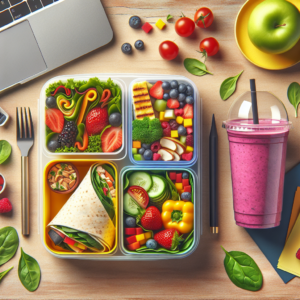
Meal prepping is a game-changer for maintaining healthy eating habits. Set aside a few hours each week to wash, chop, and cook ingredients in bulk. Store them in portioned containers for easy access throughout the week. This approach not only saves time but also reduces the temptation to order takeout or skip meals.
6. Monitor and Adjust
Regularly review your meal plan to ensure it continues to meet your goals and adapt as necessary. Pay attention to how your body responds to different foods and make adjustments based on your energy levels, mood, and overall well-being. Flexibility is key to sustaining long-term healthy eating habits.
Overcoming Common Meal Planning Challenges
Lack of Time
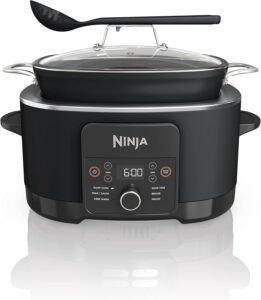
One of the most common challenges people face with meal planning is a lack of time. To combat this, consider setting aside a specific day for meal planning and prep. Utilize tools such as slow cookers, instant pots, or sheet pan recipes that require minimal hands-on time and can simplify the cooking process.
Budget Constraints
Healthy eating doesn’t have to break the bank. Take advantage of seasonal produce, buy in bulk, and make use of frozen or canned fruits and vegetables, which are just as nutritious as fresh options. Planning meals around sales and discounts can also help you stretch your food budget further.
Limited Cooking Skills
If cooking isn’t your forte, start with simple recipes that require minimal ingredients and steps. As you gain confidence, gradually experiment with more complex dishes. There are countless online resources, cooking classes, and tutorials available to help you develop your culinary skills over time.
Conclusion
Mastering healthy meal planning is a practical and effective strategy for achieving optimal wellness. By understanding the importance of balance, portion control, and nutrient-dense foods, and by following a structured approach to meal planning, you can create a sustainable eating routine that supports your health goals. Remember, the journey to wellness is personal and unique to each individual, so be patient and kind to yourself as you navigate this process. With dedication and persistence, you can enjoy the numerous benefits of a healthy, balanced diet and enhanced overall well-being.
#ChatGPT assisted in the creation of this article.