Introduction
In today’s globalized world, the flavors of diverse cultures are more accessible than ever. The culinary landscape is rich with possibilities, and mastering homemade ethnic cuisine can elevate your cooking to new heights. By exploring and embracing the dishes of different cultures, you not only expand your palate but also gain a deeper appreciation for cultural traditions. This article will guide you through essential tips and techniques to master ethnic cuisine in your own kitchen.
Understanding Ethnic Cuisine
Ethnic cuisine refers to the traditional dishes and cooking practices of a particular culture or region. It is a reflection of a community’s history, geography, and available resources. Each cuisine has its own unique ingredients, flavors, and cooking methods that have evolved over generations. Whether it’s the bold spices of Indian cuisine, the fresh herbs of Thai dishes, or the rich sauces of French cooking, ethnic cuisine offers a wealth of diversity and flavor.
Exploring Ingredients
One of the key aspects of mastering ethnic cuisine is familiarizing yourself with its ingredients. Start by researching and sourcing authentic ingredients, which are often the backbone of traditional dishes. Visit local ethnic grocery stores or explore online markets to find spices, herbs, and specialty products that are essential to the cuisine you’re interested in mastering.
For example, if you’re exploring Indian cuisine, stock up on spices like cumin, coriander, turmeric, and garam masala. If you’re delving into Italian cooking, ensure you have high-quality olive oil, Parmigiano-Reggiano, and fresh basil. Understanding and using authentic ingredients will help you achieve the true flavors of the cuisine you’re recreating.
Mastering Techniques
Each ethnic cuisine has its own distinct cooking techniques that contribute to its unique flavors and textures. To master ethnic cuisine, it’s essential to learn and practice these techniques. Here are a few examples:
-
Stir-Frying: A fundamental technique in Chinese cooking, stir-frying involves quickly cooking ingredients in a hot pan or wok with minimal oil. This method preserves the texture and flavor of the ingredients while creating a delicious, harmonious dish.
-
Braising: Common in French and Moroccan cuisines, braising involves slow-cooking meat or vegetables in a flavorful liquid. This technique enhances the depth of flavors and results in tender, succulent dishes.
-
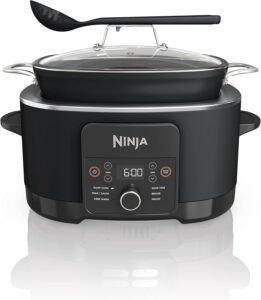
Slow Cooking: Used in many cultures, slow cooking allows flavors to meld and develop over time. Whether it’s a hearty Mexican mole or a comforting Indian curry, patience is key to achieving rich, complex flavors.
Adapting Recipes
While authenticity is important, don’t be afraid to adapt recipes to suit your taste and dietary preferences. Cooking is an art, and ethnic cuisine can be a canvas for your creativity. Experiment with ingredients and techniques to personalize dishes while respecting the essence of the original recipe.
For instance, if you’re looking to reduce the heat in a spicy Thai curry, adjust the amount of chili peppers or substitute them with milder peppers. If you’re following a plant-based diet, explore vegetarian or vegan versions of traditional recipes. Adapting recipes allows you to enjoy ethnic cuisine in a way that aligns with your lifestyle.
Presentation and Plating
The presentation of a dish is an integral part of the dining experience. In many cultures, food is not only about taste but also about aesthetics. Take inspiration from traditional plating techniques to elevate your homemade ethnic cuisine.
Consider the vibrant colors of a Moroccan tagine or the intricate arrangement of sushi. Use garnishes, such as fresh herbs or edible flowers, to enhance the visual appeal of your dishes. By paying attention to presentation, you create an experience that engages all the senses.
Embracing Cultural Traditions
To truly master ethnic cuisine, it’s important to embrace the cultural traditions that accompany it. Learn about the history and significance of the dishes you’re preparing. Understand the role of food in celebrations, rituals, and everyday life in the culture you’re exploring.
Consider hosting themed dinner parties or participating in cultural cooking classes to deepen your appreciation for the cuisine. By immersing yourself in the traditions, you not only enhance your cooking skills but also foster a greater understanding and respect for the culture.
Conclusion
Mastering homemade ethnic cuisine is a journey that enriches both your culinary skills and cultural knowledge. By exploring diverse flavors, ingredients, and techniques, you elevate your cooking and create meaningful connections with the world’s cultures. Whether you’re savoring the aromatic spices of Indian curries, the delicate flavors of Japanese sushi, or the comforting warmth of Italian pasta, ethnic cuisine has the power to transport you to different corners of the globe from the comfort of your own kitchen.
So, embark on this culinary adventure, experiment with new recipes, and savor the rich tapestry of flavors that the world has to offer. Your taste buds—and your dinner guests—will thank you for it.
#ChatGPT ha collaborato alla creazione di questo articolo.