Introduction to Italian Pasticceria
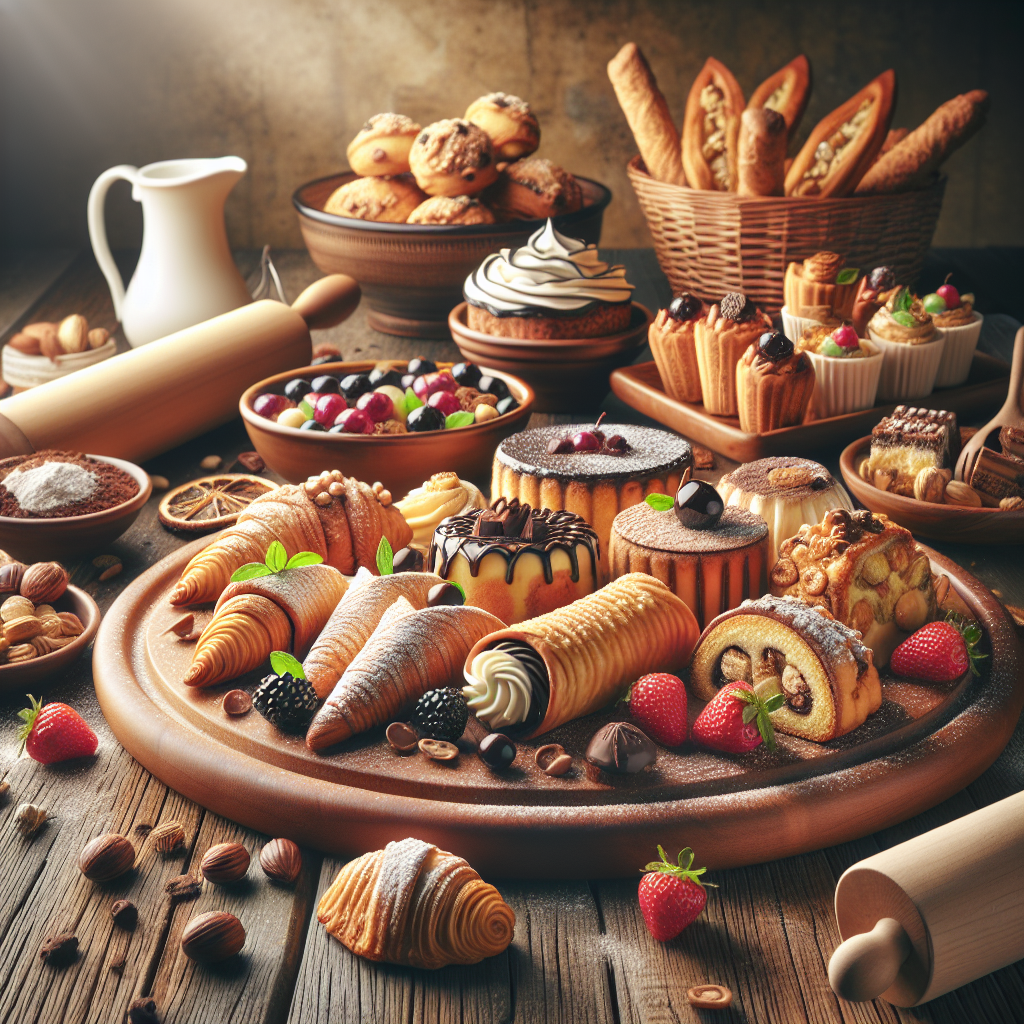
Italian cuisine is renowned worldwide for its rich flavors and culinary traditions. Among its celebrated offerings, Italian pastries stand out as a delightful indulgence. The art of Italian pasticceria (pastry making) is a cherished tradition passed down through generations. From flaky sfogliatelle to creamy cannoli, Italian pastries are more than just desserts; they are a testament to the country’s rich cultural heritage. This article delves into the top secrets of mastering Italian ricette di pasticceria (pastry recipes) that will elevate your dessert game to new heights.
The Foundations of Italian Pastry
At the heart of any great Italian pastry lies a few foundational elements. Understanding these basics is crucial for any aspiring pastry chef. Italian pastries often rely on simple, high-quality ingredients. Flour, sugar, eggs, butter, and fresh dairy products like ricotta and mascarpone are staples. The emphasis is on the quality and freshness of these ingredients, which can make all the difference in the final product.
Flour Varieties
Flour is the backbone of many Italian pastries. The choice of flour can affect the texture and flavor of the pastry. In Italy, you will often find “00” flour, a finely milled flour that is essential for making pasta and many pastries. It provides a delicate texture, perfect for creating light and airy pastries. Understanding the differences between various types of flour and their uses is key to mastering Italian pastry.
Mastering Dough Techniques
The dough is a critical component in many Italian pastries. Whether it’s the laminated dough used for croissants and sfogliatelle or the choux pastry for cream-filled delights, mastering dough techniques is essential. Proper kneading, folding, and resting of dough are necessary skills that can significantly impact the final product. Practice makes perfect, and with time, you will develop an intuition for handling pastry dough.
Iconic Italian Pastries and Their Secrets
Italy’s diverse regions each boast their own unique pastries, each with its own secrets and traditions. Here are some iconic Italian pastries and the secrets to mastering them.
Cannoli
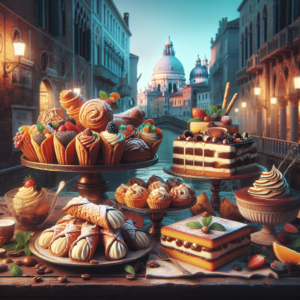
Cannoli, hailing from Sicily, are tubular pastries filled with a sweet ricotta cheese mixture. The secret to perfect cannoli lies in the shell. Achieving a crispy, bubbly shell requires the right dough consistency and frying technique. Rolling the dough thinly and frying at the right temperature ensures a crisp texture. The filling should be creamy and smooth, typically sweetened with powdered sugar and flavored with vanilla or citrus zest. Draining the ricotta before mixing prevents a watery filling.
Tiramisu
Tiramisu, perhaps the most famous Italian dessert, is a luscious, coffee-flavored treat. The secret to a great tiramisu lies in the mascarpone cream. Using fresh, high-quality mascarpone and eggs is crucial. Whisking the egg yolks and sugar until pale and thick provides a stable base for the cream. Dipping the ladyfingers in strong espresso quickly prevents them from becoming too soggy. Layering the dessert and allowing it to rest in the refrigerator overnight enhances the flavors.
Sfogliatelle
Sfogliatelle, often called “lobster tails” due to their shape, are a flaky pastry filled with a semolina and ricotta mixture. The secret to perfect sfogliatelle is in the dough. Creating the iconic layers requires a laminated dough, similar to puff pastry. Rolling and folding the dough with precision is essential to achieve the desired texture. Filling the pastry with a mixture of semolina, ricotta, sugar, and citrus peel provides a delightful contrast to the crisp pastry layers.
Regional Pastry Specialties
Italy’s diverse regions offer a plethora of unique pastries, each with its own history and secrets.
Neapolitan Babà
Originating from Naples, the Babà is a yeast-leavened cake soaked in rum syrup. The secret to a perfect Babà is achieving the right balance between the airy, spongy cake and the rum syrup. Properly proofing the dough ensures a light texture. The syrup should be flavorful but not overpowering, allowing the cake to absorb just the right amount of moisture.
Florentine Cantucci
Cantucci, also known as biscotti, are twice-baked almond cookies from Tuscany. The secret to these crunchy cookies lies in the baking process. Baking the dough logs until firm, then slicing and rebaking ensures the characteristic crunch. Using whole almonds adds a delightful texture. Traditionally, Cantucci are enjoyed with Vin Santo, a sweet dessert wine.
Techniques for Perfecting Italian Pastries
Beyond recipes and ingredients, mastering Italian pastries requires honing specific techniques.
Precision in Measurement
Precision is key in baking. Accurate measurement of ingredients ensures consistency and success in pastry making. Invest in a good kitchen scale to measure ingredients by weight, which is more accurate than volume measurements.
Temperature Control
Temperature plays a crucial role in pastry making. Ensuring ingredients are at the right temperature, whether it’s cold butter for flaky pastries or room-temperature eggs for emulsification, can impact the final product. Additionally, maintaining the correct oven temperature is vital for achieving the desired texture and rise.
Patience and Practice
Mastering Italian pastries takes time and practice. Patience is essential, especially when working with delicate doughs and intricate techniques. Don’t be discouraged by initial failures; instead, view them as learning opportunities. With persistence, your skills will improve, and your pastries will become works of art.
The Cultural Significance of Italian Pastries
Italian pastries are more than just sweet treats; they hold cultural significance and are often tied to celebrations and traditions. Understanding the cultural context of these pastries adds depth to the art of pasticceria.
Festive Pastries
Many Italian pastries are associated with specific holidays and festivals. For example, Panettone is a traditional Christmas bread, while Zeppole di San Giuseppe are enjoyed on St. Joseph’s Day. These pastries are often prepared as part of family traditions, passed down through generations.
Pastries as a Symbol of Hospitality
In Italy, offering pastries is a gesture of hospitality. Whether it’s a simple biscotti with coffee or an elaborate dessert spread, sharing pastries is a way of bringing people together. Embracing this tradition can enhance your appreciation for Italian pasticceria.
Conclusion: Embrace the Art of Italian Pasticceria
Mastering Italian ricette di pasticceria is a rewarding journey that combines culinary skill with cultural appreciation. From understanding the foundations of Italian pastry to perfecting iconic recipes, the secrets of Italian pasticceria are within your reach. By embracing quality ingredients, honing techniques, and appreciating the cultural significance, you can create authentic Italian pastries that delight the senses and capture the essence of Italy’s rich culinary heritage. So, roll up your sleeves, gather your ingredients, and embark on the delicious adventure of Italian pastry making.
#ChatGPT ha collaborato alla creazione di questo articolo.