In today’s fast-paced world, maintaining a healthy lifestyle can be challenging. With an abundance of fast food options and the convenience of pre-packaged meals, it can be tempting to opt for quick, high-fat options. However, adopting a low fat cooking approach can significantly enhance your health and well-being. This article explores the benefits of low fat cooking, provides practical tips, and offers delicious recipes to help you master this healthy culinary art.
The Benefits of Low Fat Cooking
Low fat cooking involves preparing meals that are low in saturated fats and cholesterol, which can help reduce the risk of heart disease, obesity, and other health-related issues. Here are some key benefits:
Weight Management
Reducing fat intake can help manage weight effectively. Fats are calorie-dense, and by minimizing them in your diet, you can consume fewer calories without sacrificing volume or satisfaction.
Improved Heart Health
Saturated and trans fats are known to increase bad cholesterol levels (LDL) and decrease good cholesterol (HDL). By focusing on low fat cooking, you can improve your heart health and lower the risk of cardiovascular diseases.
Enhanced Digestive Health
Low fat diets are often rich in fiber from fruits, vegetables, and whole grains, promoting better digestion and preventing constipation.
Principles of Low Fat Cooking
Understanding the basic principles of low fat cooking will help you create healthier meals without compromising on taste or satisfaction.
Choose Lean Proteins
Opt for lean cuts of meat, such as chicken breast, turkey, or fish. Plant-based proteins like lentils, beans, and tofu are also excellent choices.
Utilize Healthy Cooking Methods
Favor cooking techniques that require little to no added fats, such as steaming, grilling, baking, or poaching. Avoid deep frying and sautéing in excessive oil.
Embrace Whole Foods
Incorporate a variety of fruits, vegetables, whole grains, and legumes into your meals. These foods are naturally low in fat and high in essential nutrients.
Use Healthy Fats Wisely
While reducing fat intake, it’s important to include healthy fats like olive oil, avocado, and nuts in moderation. They provide essential fatty acids and enhance flavor.
Tips for Low Fat Cooking
Transitioning to low fat cooking can be simple and enjoyable with these practical tips:
Plan Your Meals
Meal planning helps you stay on track with your low fat goals. Prepare a weekly menu, make a shopping list, and stick to it to avoid impulse purchases of unhealthy foods.
Read Labels Carefully
Understanding nutrition labels will help you identify hidden fats in packaged foods. Look for products labeled “low fat” or “reduced fat,” but also check for added sugars and sodium.
Experiment with Herbs and Spices
Enhance the flavor of your dishes with herbs and spices instead of relying on butter or cream. Basil, oregano, garlic, and ginger can add depth and excitement to your meals.
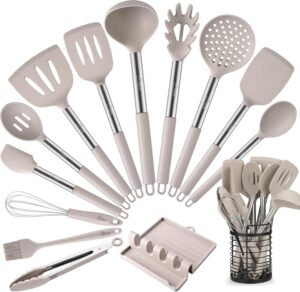
Use Non-Stick Cookware
Invest in high-quality non-stick pans to reduce the need for oil or butter when cooking. This simple change can significantly lower the fat content in your meals.
Delicious Low Fat Recipes
Here are three delectable low fat recipes that prove healthy eating can be both satisfying and flavorful:
Grilled Lemon Herb Chicken
Ingredients:
– 4 boneless, skinless chicken breasts
– 2 tablespoons olive oil
– Juice of 2 lemons
– 2 cloves garlic, minced
– 1 tablespoon fresh rosemary, chopped
– Salt and pepper to taste
Instructions:
1. In a bowl, combine olive oil, lemon juice, garlic, rosemary, salt, and pepper.
2. Add chicken breasts to the marinade and let them sit for at least 30 minutes.
3. Preheat grill to medium-high heat and cook chicken for 6-7 minutes on each side until fully cooked.
4. Serve with a side of steamed vegetables or a fresh salad.
Quinoa and Black Bean Salad
Ingredients:
– 1 cup quinoa
– 2 cups water
– 1 can black beans, drained and rinsed
– 1 red bell pepper, diced
– 1 cup cherry tomatoes, halved
– 1/4 cup fresh cilantro, chopped
– Juice of 1 lime
– Salt and pepper to taste
Instructions:
1. Rinse quinoa under cold water. In a medium saucepan, bring water to a boil, add quinoa, reduce heat, and simmer for 15 minutes or until water is absorbed.
2. In a large bowl, combine cooked quinoa, black beans, bell pepper, cherry tomatoes, and cilantro.
3. Drizzle with lime juice, season with salt and pepper, and toss to combine.
4. Chill in the refrigerator for 30 minutes before serving.
Baked Cod with Tomato Basil Sauce
Ingredients:
– 4 cod fillets
– 2 cups cherry tomatoes, halved
– 2 cloves garlic, minced
– 1/4 cup fresh basil, chopped
– 1 tablespoon olive oil
– Salt and pepper to taste
Instructions:
1. Preheat oven to 375°F (190°C).
2. In a baking dish, arrange cod fillets and season with salt and pepper.
3. In a skillet, heat olive oil over medium heat, add garlic and cherry tomatoes, and cook until tomatoes are soft.
4. Stir in basil and pour the mixture over the cod fillets.
5. Bake for 15-20 minutes or until the fish flakes easily with a fork.
6. Serve with a side of brown rice or a green salad.
Maintaining a Low Fat Lifestyle
Embracing a low fat cooking style isn’t just about the food you eat; it’s about creating sustainable habits that contribute to a healthier lifestyle. Here are some strategies to help maintain your low fat journey:
Stay Informed
Continuously educate yourself about nutrition and the impact of dietary fats on health. This knowledge will empower you to make informed decisions about your food choices.
Stay Active
Pair your low fat diet with regular physical activity. Exercise complements healthy eating by boosting metabolism, improving cardiovascular health, and enhancing overall well-being.
Practice Moderation
While it’s important to reduce unhealthy fats, remember that balance is key. Enjoy occasional treats in moderation to prevent feelings of deprivation.
Conclusion
Mastering low fat cooking is a rewarding endeavor that can transform your health and lifestyle. By understanding the principles of low fat cooking, implementing practical tips, and experimenting with delicious recipes, you can enjoy flavorful meals without compromising your health goals. Embrace the journey to a healthier you, one low fat dish at a time.