Introduction to the World of Spices
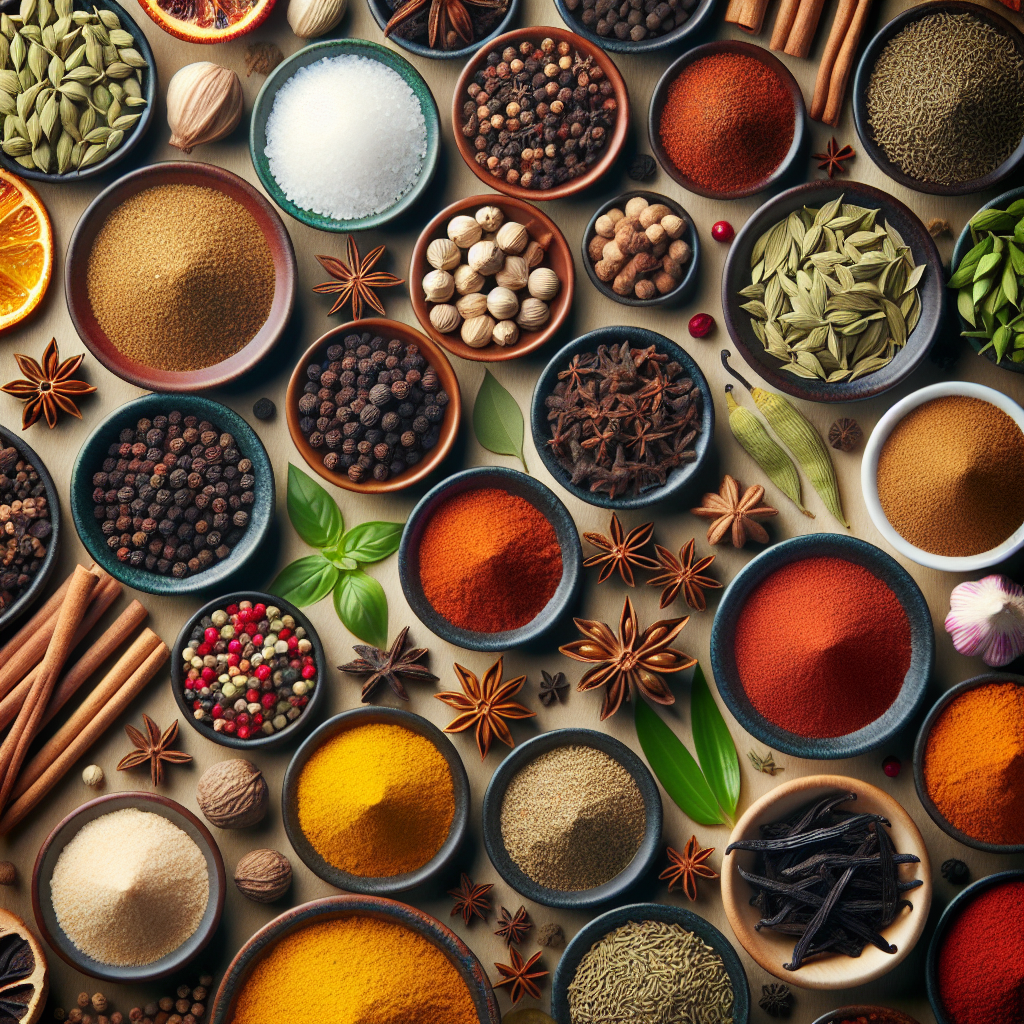
Spices have been an integral part of human civilization for thousands of years, shaping cuisines, cultures, and economies around the globe. From the fiery heat of a chili pepper to the sweet warmth of cinnamon, these aromatic substances have transcended their culinary uses to become symbols of cultural identity and historical trade. Mastering global spices not only enhances your culinary skills but also offers a journey through the rich tapestry of human history and geography.
The Historical Significance of Spices
The story of spices is as old as civilization itself. Ancient trade routes, such as the Silk Road and the Spice Route, were established largely to transport these precious commodities. Spices were once so valuable that they were used as currency. The desire for spices like black pepper, nutmeg, and cloves fueled explorations and led to the discovery of new lands. Understanding the historical context of spices provides insight into their revered status across cultures.
Understanding Spice Profiles
Each spice possesses a unique profile composed of taste, aroma, and intensity. This section will explore the basic flavor profiles of spices, enabling you to categorize and utilize them effectively in your culinary creations.
Sweet Spices
Sweet spices, such as cinnamon, nutmeg, and cardamom, are often associated with desserts and baked goods. They add warmth and complexity to dishes, making them a staple in both Western and Eastern cuisines.
Savory Spices
Savory spices include cumin, coriander, and turmeric. These spices are foundational in many savory dishes, providing depth and character to stews, curries, and soups.
Hot Spices
Hot spices, like chili peppers and black pepper, are used to add heat to dishes. The level of heat varies significantly among different types of peppers, from the mild bell pepper to the extremely spicy Carolina Reaper.
Aromatic Spices
Aromatic spices, such as saffron and vanilla, are prized for their fragrant qualities. These spices are often used in small quantities to impart a distinct aroma and flavor to dishes.
Regional Spice Blends and Their Uses
Spice blends are a hallmark of regional cuisines, reflecting the flavors and traditions of specific areas. Here, we explore some iconic spice blends from around the world.
Garam Masala (India)
Garam Masala is a quintessential Indian spice blend that typically includes a mixture of cumin, coriander, cardamom, cloves, and cinnamon. It is used to season everything from curries to roasted meats, adding a warm, complex flavor.
Ras el Hanout (North Africa)
This North African blend translates to “head of the shop” and is a premium blend of spices including cinnamon, cumin, coriander, and turmeric. It is used in tagines and couscous, offering a rich and aromatic profile.
Herbes de Provence (France)
A blend of dried herbs such as thyme, rosemary, and lavender, Herbes de Provence is used to flavor grilled meats, stews, and vegetable dishes. It embodies the essence of French Mediterranean cooking.
Chinese Five Spice (China)
Consisting of star anise, cloves, Chinese cinnamon, Sichuan pepper, and fennel seeds, Chinese Five Spice is used in a variety of dishes, from roasted meats to stir-fries, imparting a sweet-spicy flavor.
The Art of Balancing Spices
Mastering spices is not only about knowing their individual profiles but also about understanding how to balance them. This balance can enhance the overall flavor of a dish without overpowering it.
Complementing Flavors
Combining spices that complement each other can create harmonious flavors. For example, pairing cinnamon with nutmeg can enhance the sweetness of a dessert.
Contrasting Flavors
Using contrasting spices can add depth and intrigue to a dish. A touch of chili powder in a chocolate dessert can create a surprising and delightful contrast.
Layering Spices
Layering involves adding spices at different stages of cooking to build complexity. Starting with whole spices in oil to release their essential oils, followed by ground spices later in the cooking process, can enrich the flavor profile.
Tips for Storing and Using Spices
Proper storage and usage of spices are crucial to maintaining their potency and flavor. Here are some tips to help you get the most out of your spices.
Storage
Spices should be stored in a cool, dark place, away from direct sunlight and heat. Airtight containers are ideal to prevent exposure to moisture and air.
Freshness
Ground spices lose their potency faster than whole spices. It’s a good practice to grind spices fresh as needed to ensure maximum flavor.
Experimentation
Don’t be afraid to experiment with spices. Trying new combinations and adjusting quantities can lead to unique and delicious results.
Conclusion
Mastering global spices is an art that enriches your culinary repertoire and connects you to diverse cultures and traditions. Whether you’re a home cook or a professional chef, understanding and utilizing spices can transform ordinary dishes into extraordinary experiences. By embracing the history, profiles, and techniques of spice usage, you open the door to a world of flavors waiting to be explored.
#ChatGPT ha collaborato alla creazione di questo articolo.