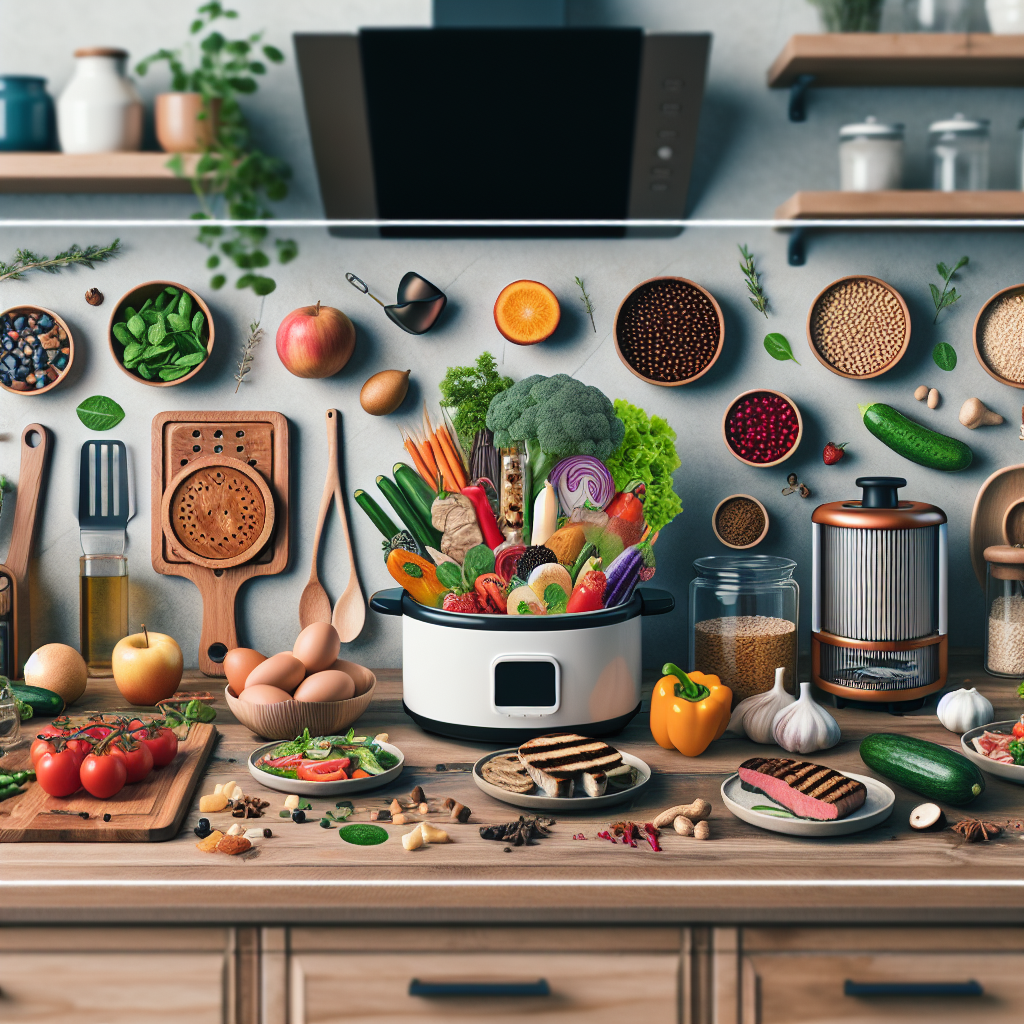
Cooking healthy meals doesn’t mean sacrificing flavor or enjoyment. In fact, with the right techniques and ingredients, you can create dishes that are both nutritious and delicious. Here are some top healthy cooking tips to elevate your meals without compromising on taste or health benefits.
Embrace Whole Foods
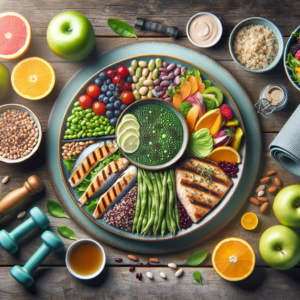
The foundation of healthy cooking starts with whole foods. Whole foods are minimally processed and packed with nutrients. They include fruits, vegetables, whole grains, nuts, seeds, and lean proteins.
Prioritize Fresh Ingredients
Whenever possible, choose fresh over processed ingredients. Fresh fruits and vegetables retain more nutrients and offer better flavor. They are also free from the additives and preservatives found in processed foods.
Incorporate Whole Grains
Swap refined grains like white rice and pasta for whole grain alternatives such as brown rice, quinoa, and whole wheat pasta. Whole grains are rich in fiber, which aids in digestion and keeps you feeling fuller longer.
Use Healthy Cooking Methods
The way you cook your food can greatly impact its nutritional value. Opt for methods that preserve nutrients and add minimal fat.
Steaming and Boiling
Steaming and boiling are excellent methods for cooking vegetables. They retain most of the vitamins and minerals, and do not require any added fats.
Grilling and Baking
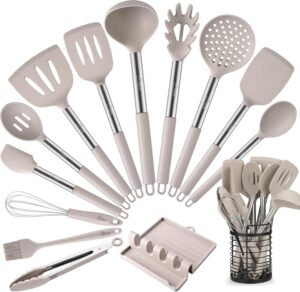
Grilling and baking are great for meats and vegetables. These methods add a smoky flavor without the need for excessive oil. When baking, try using parchment paper or silicone mats to reduce the need for cooking sprays or oils.
Sautéing with Healthy Oils
When sautéing, use healthy oils like olive oil, coconut oil, or avocado oil. These oils are rich in healthy fats and add a nice flavor to your dishes. Remember to keep the heat moderate to prevent the oils from reaching their smoke points, which can degrade their nutritional value.
Enhance Flavor with Herbs and Spices
Instead of relying on salt and sugar, use herbs and spices to add flavor to your meals. They not only enhance taste but also offer health benefits.
Fresh Herbs
Fresh herbs like basil, cilantro, and parsley can be added at the end of cooking for a burst of flavor. They are rich in antioxidants and can elevate the taste of any dish.
Spices
Spices such as turmeric, cumin, and cinnamon not only add depth to your dishes but also come with anti-inflammatory and antioxidant properties. Experiment with different combinations to find your perfect blend.
Control Portions and Mindful Eating
Healthy cooking isn’t just about the ingredients but also how much you eat. Managing portion sizes and practicing mindful eating contribute significantly to a balanced diet.
Portion Control
Use smaller plates and bowls to help control portion sizes. This psychological trick can help you feel satisfied with less food. Also, pay attention to recommended serving sizes on food packaging.
Mindful Eating
Slow down and savor each bite. Eating mindfully helps you enjoy your food more and recognize when you’re full, preventing overeating. Turn off distractions like TV and focus on the flavors and textures of your meal.
Plan and Prepare Ahead
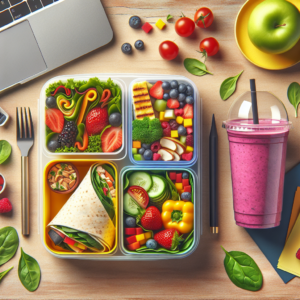
Meal planning and preparation are key to maintaining healthy eating habits. They save you time and help you make better food choices.
Weekly Meal Planning
Set aside time each week to plan your meals. This helps ensure you have all the necessary ingredients and reduces the temptation to opt for unhealthy convenience foods.
Batch Cooking
Prepare large batches of healthy staples like brown rice, beans, or roasted vegetables. Store them in the fridge or freezer for quick and easy meals throughout the week.
Experiment with Plant-Based Meals
Incorporating more plant-based meals into your diet can improve your health and is better for the environment. Plant-based meals are rich in fiber, vitamins, and minerals.
Meatless Mondays
Start with small changes like participating in Meatless Mondays. Try dishes like lentil soup, vegetable stir-fry, or chickpea salads to explore a variety of flavors and textures.
Plant-Based Proteins
Experiment with plant-based protein sources such as tofu, tempeh, beans, and legumes. These ingredients can be cooked in various ways and absorb flavors well, making them versatile and delicious.
Stay Hydrated
Hydration is a crucial part of a healthy diet. Water aids digestion, helps maintain body temperature, and keeps your skin healthy.
Drink Water with Meals
Encourage yourself to drink a glass of water with each meal. This helps with digestion and can prevent overeating by making you feel full faster.
Infuse Your Water
If plain water seems boring, try infusing it with fruits, herbs, or vegetables like cucumber, mint, or lemon for a refreshing twist without added sugars.
Conclusion
Healthy cooking is all about making smart choices and enjoying the process. By embracing whole foods, using healthy cooking methods, incorporating herbs and spices, and planning your meals, you can create delicious dishes that nourish your body and delight your taste buds. Start small, experiment with new techniques, and remember that every step towards healthier cooking is a step towards a healthier lifestyle.
#ChatGPT assisted in the creation of this article.